





Book Review
Spiritual, Not Religious
Pagans & Christians in the City: Culture Wars from the Tiber to the Potomac by Steven D. Smith
One of the staples of the sociological view of religion is that it is a sort of serious game that we play in which we glorify some collective vision of ourselves. In other words, the “cult” in culture is manufactured by us, for us. When religion is considered that way, it is easy to understand something like idol worship and systems of sacrifice. We simply affirm our participation in the ritual thing and put some skin in the game. It is a way of being a member of the group. Because this cultic identity is important to the broader society by way of ordering classes, enchanting an otherwise mundane existence, sanctifying law, and/or even giving structure to the calendar, everyone must participate in it. This sociological religion is paganism. It was the faith of the Roman Empire before Christianization.
Paganism was not greatly concerned with matters of truth and doctrine. It was religion oriented around participation and performance rather than seeking the ultimate truth about reality. Where the Christian “believed” in God, the pagans “had” gods. Where Christians heatedly debated questions of heresy, it hardly occurred to pagans to have such disputes at all. But when it came to religion and deference to the public cult (if only to demand a simple sentence or a symbolic action with no real expectation of actual belief), the pagans were utterly serious. Many Christians faced torture and death in consequence of refusing to comply.
We all know the rest of the story. Constantine became emperor, ascribing his military victory to Christ, and favor replaced persecution. Paganism was vanquished. The Church outlived the empire and set the religious tone for Europe and ultimately for much of the modern world. Returning to sociology, however, we see various versions of the secularization theory at work, in which it appears to many—note the numerous breathless survey reports of the growth of “nones”—that the world is casting aside religion in favor of some new modern sensibility. But is there another reading available? Is there another way to understand what is happening?
Both Tolerant & Oppressive
Steven D. Smith, the Warren Distinguished Professor of Law at the University of San Diego, insightfully describes the relationship between Christianity and paganism and offers a different, more compelling diagnosis of what is happening in the twenty-first century. According to Smith, paganism never disappeared. Christianity replaced it as the dominant frame for Western society, but to some extent the change was one of veneer rather than a fundamental and complete transformation of society. Paganism continued to be attractive to many and has re-emerged with new strength.
Looking at the modern culture war through the lens of paganism pushing its way back into prominence proves to be intellectually satisfying (though disquieting emotionally and spiritually) and may offer a new kind of guide for the perplexed. American Christians find themselves in a state of shock. Their faith was once something almost all politicians hoped to claim for themselves. That is part of why the U.S. never had a Christian Democratic party of the type common in Europe. Both major parties were eager to style themselves as Christian. Secular agendas moved beneath a Christian canopy. But with the virtual collapse of liberal, mainline Protestantism, committed Christianity has become more of a polarizing position than a unifying force.
Given the rapid ascendance of sexual identity politics, Christians (especially those with serious faith commitments) readily discern a renewal of ancient problems in their relationship with the state. Christian florists and bakers may struggle with civil rights commissions over wedding services, but will the censorious eye of officials focus upon educational institutions, teachers, healthcare providers, a wide variety of non-profits, and even the churches themselves as current trends roll inexorably forward? Secular guardians of modern justice have little interest in accommodating the Christians who struggle with collisions between their faith and the regulatory apparatus. But the question is why?
Professor Smith has the answer. In matters of religion, we look back to see the Romans as both tolerant and harshly oppressive. How can we reconcile their openness to the plethora of new deities they comprehended within their growing empire, and their persecution of Christians? The answer is that paganism is a public thing and is nothing without its performative, public nature. New gods could always be added to the pantheon. Jesus could perhaps have simply been reckoned among the accepted list of immortals eliciting worship within the confines of empire. Christians caught by officials were offered easy terms for avoiding fines, imprisonment, and death. Say a few words, make a ritual gesture or two, and go home without trouble. They need not have submitted to a searching examination that would vindicate them of heresy. It was enough to affirm surface adherence to the public cult.
But the Christians did not feel they could offer even the appearance of obeisance to any god but God, and to any king above Christ. Thus, we have the stories of martyrs that frighten, inspire, and embolden Christians, while constituting mule-headed foolishness in the view of others.
Immanent versus Transcendent Religion
Hunter Baker , J.D., Ph.D., is the dean of arts and sciences at Union University, a fellow of the Ethics and Religious Liberty Commission, and an affiliate scholar of the Acton Institute.
A Journal of Mere Christianity—Delivered to Your Door
- Essays on theology, culture, and the Church
- Contributors from across the Christian traditions

Six print issues (one year) of Touchstone, plus full online access and PDF downloads for only $39.95.

Get a one-year full-access subscription to the Touchstone online archives for only $19.95.
bulk subscriptions
Order Touchstone subscriptions in bulk and save $10 per sub! Each subscription includes 6 issues of Touchstone plus full online access to touchstonemag.com—including archives, videos, and pdf downloads of recent issues for only $29.95 each! Great for churches or study groups.
Transactions will be processed on a secure server.
more on history from the online archives
31.1—January/February 2018
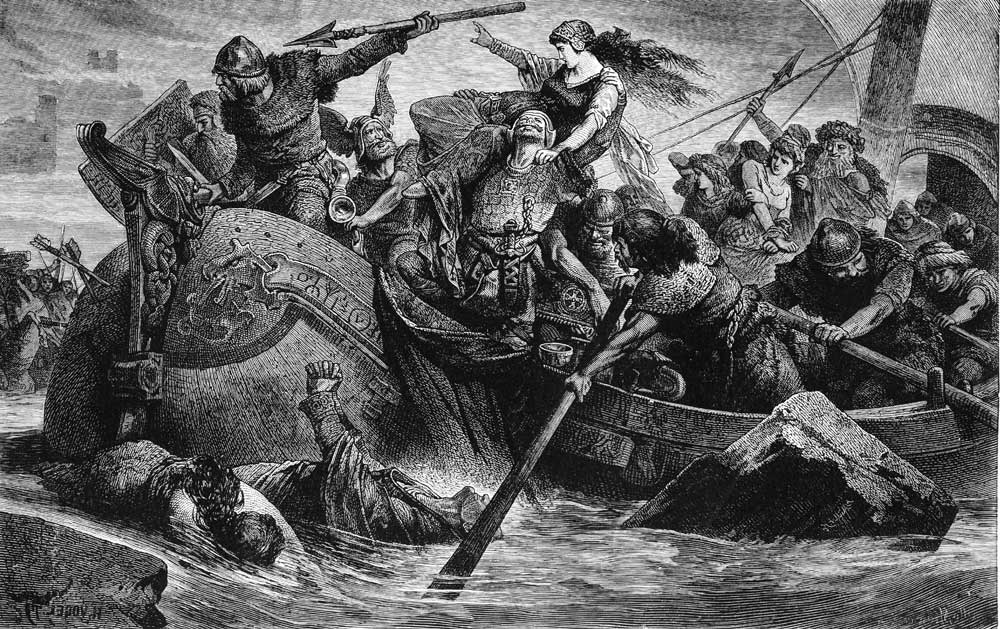
on Ragnarök, an Extreme Weather Event & the Paths to Conversion by Timothy J. Burbery
15.6—July/August 2002
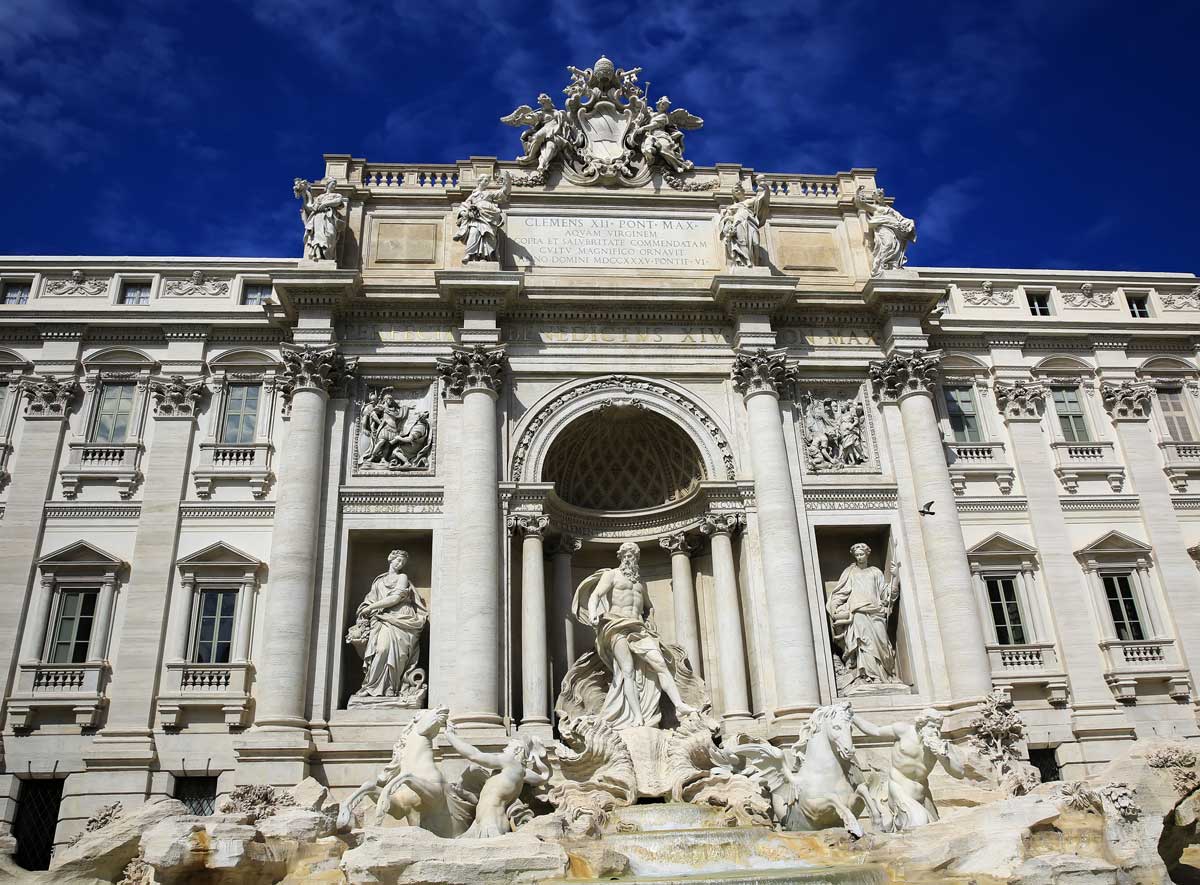
Things Hidden Since the Beginning of the World
The Shape of Divine Providence & Human History by James Hitchcock

28.3—May/June 2015
Whittaker Chambers's Lonely War Against Godless Collectivism by Hunter Baker
more from the online archives

33.2—March/April 2020
Lewis, Chesterton, et al. Against the Frauds, Experts & Revisionists by Vigen Guroian


calling all readers
Please Donate
"There are magazines worth reading but few worth saving . . . Touchstone is just such a magazine."
—Alice von Hildebrand
"Here we do not concede one square millimeter of territory to falsehood, folly, contemporary sentimentality, or fashion. We speak the truth, and let God be our judge. . . . Touchstone is the one committedly Christian conservative journal."
—Anthony Esolen, Touchstone senior editor
