




A THOUSAND WORDS
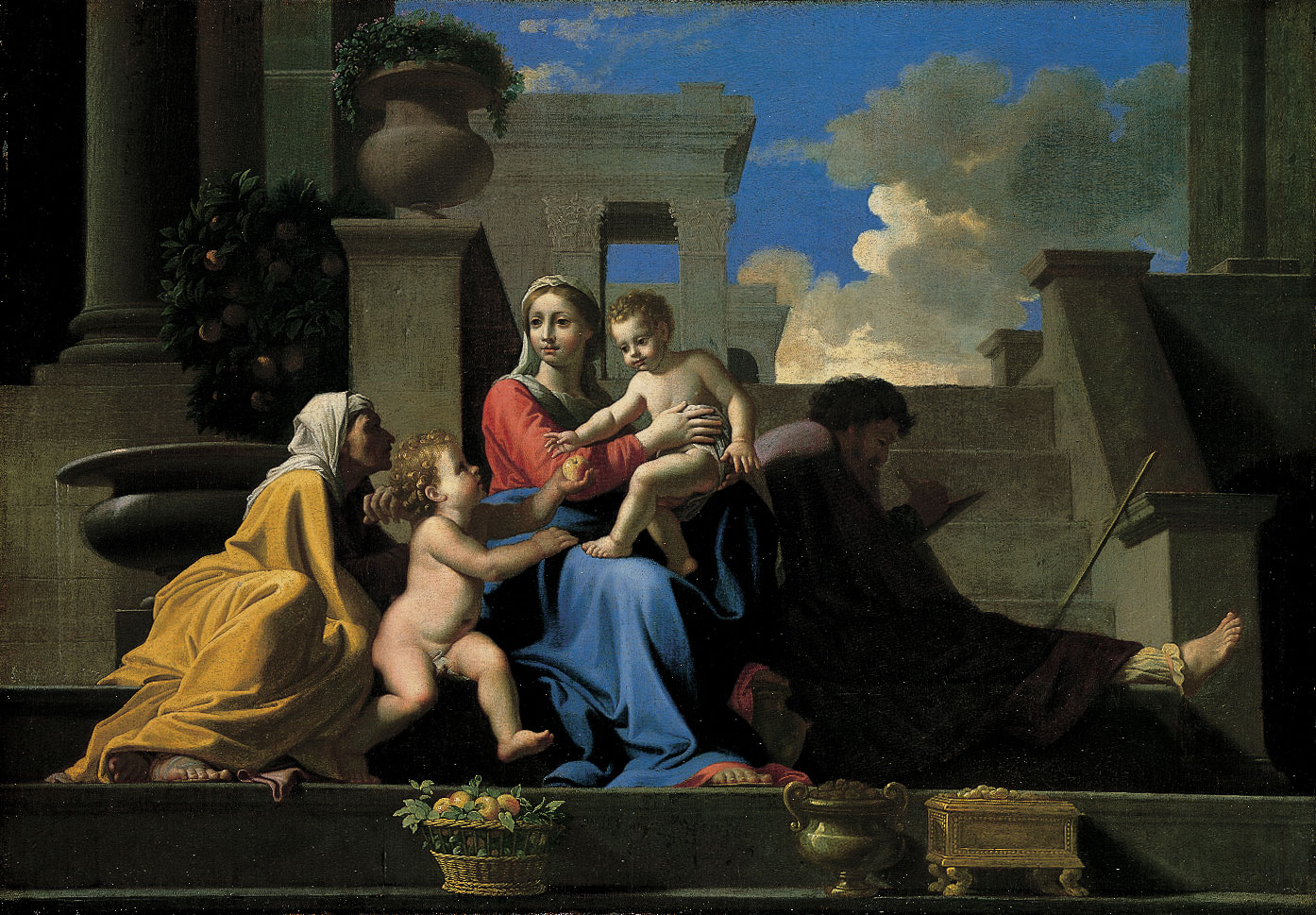
Poussin's The Holy Family on the Steps
At first blush, Nicolas Poussin's painting The Holy Family on the Steps (1648) is a restrained and classical version of the conventional Holy Family of a thousand Christmas cards, or rather, an extended Holy Family with Saints Elizabeth and John (who, after all, must have been frequent visitors). Mary and Jesus occupy the central space; above Mary's right shoulder stands an urn filled with their special flower, the violet of humility. The open air above Jesus' head creates a kind of natural halo. At the left, Elizabeth directs her gaze toward Mary, and the infant John offers his baby cousin a piece of fruit from the basket at his feet. Joseph, cast in shadow, assumes an apparently subsidiary role at the right, filling out the triangle of the figural composition.
A contemporary engraving made after this painting suggests that there is more here than meets the eye. The print faithfully reproduces the painting but in addition bears the cryptic inscription, "Here is made manifest the hidden God." Surely this cannot refer to Jesus; his manifestation was not hidden, but made known in an epiphany to all the world, as is symbolized by the gifts of the Magi on the steps at Joseph's feet. Instead, there are clues here that this is not just the Holy Family but also a Trinity, the hidden God made manifest in all three Persons.
Signs of the Trinity
To begin with, the five figures are arranged in a strong, nearly equilateral triangle, a clear signal of the Holy Trinity. And the three Persons of the Trinity are signaled with equal clarity. Jesus is obviously Jesus, the second Person. Elizabeth is here to remind us of the special relation of Mary and the Holy Spirit: she, and John in her womb, were the first to recognize the divinity of Mary's unborn child: "And who am I, that the mother of my Lord should visit me?" (Luke 1:43). And finally, and somewhat unusually, the Person of God the Father is manifested in Joseph.
Scripture provides artists with no visual material to associate with Joseph, so throughout the history of art, this saint has been depicted with attributes borrowed from other sources and persons: he often bears the attributes of the little old man assigned to him by the pseudo-Gospels, for instance, or he carries the lilies of Mary's purity, and so forth.
Here, he borrows another set of clothes, the royal purple robes of the omnipotent Father. The kingly gifts are set at his feet. He is in shadow, hidden, under a cloud that billows up over his head. In the Old Testament, a cloud always signals the presence of God, and so too in the New Testament, a cloud takes Jesus out of the apostles' sight, and will bring him again in glory at the end of all things. Furthermore, Joseph is scribing with a compass and has a measuring stick at hand, as if to reference God the Father's measuring out of the universe.
St. Joseph Revitalized
The portrayal of Joseph as a powerful and kingly figure marks a serious shift in the history of art. Around the turn of the fifteenth century, preachers and theologians began to make a conscientious effort to reshape the image of this saint. The theologian Jean Gerson at the University of Paris, his mentor Pierre d'Ailly, the bishop of Cambrai, and San Bernardino of Siena all published treatises on St. Joseph, holding him up as a model of family virtue and a model for men.
Why St. Joseph, and why then? With the waning of the Middle Ages, a certain amount of social upheaval resulted in unintended consequences for marriage: while the marriage age of men was delayed, that of women grew younger and younger. Marriage fell on hard times, a fact that is somewhat glossed over in the social histories. In the late Middle Ages, it was as easy to dissolve a marriage as it is today, with similar consequences. The rules of consanguinity governing marriage had become so complex that a marriage could be declared invalid if the spouses were found to be related in practically any degree by blood or spiritual relationship—that is, if a member of one family turned out to be a distant cousin or related to a godparent of the other.
Everyone knew the system needed reform; no one wanted to be the unpopular one who reformed it. The state of marriage was one of the oft-overlooked causes of the Reformation, and it was only with the Counter-Reformation and the Council of Trent that the Catholic Church came to terms with the issue.
Mary Elizabeth Podles is the retired curator of Renaissance and Baroque art at the Walters Art Museum in Baltimore, Maryland. She is the author of A Thousand Words: Reflections on Art and Christianity (St. James Press, 2023). She and her husband Leon, a Touchstone senior editor, have six children and live in Baltimore, Maryland. She is a contributing editor for Touchstone.
A Journal of Mere Christianity—Delivered to Your Door
- Essays on theology, culture, and the Church
- Contributors from across the Christian traditions

Six print issues (one year) of Touchstone, plus full online access and PDF downloads for only $39.95.

Get a one-year full-access subscription to the Touchstone online archives for only $19.95.
bulk subscriptions
Order Touchstone subscriptions in bulk and save $10 per sub! Each subscription includes 6 issues of Touchstone plus full online access to touchstonemag.com—including archives, videos, and pdf downloads of recent issues for only $29.95 each! Great for churches or study groups.
Transactions will be processed on a secure server.
more on art from the online archives
32.4—July/August 2019
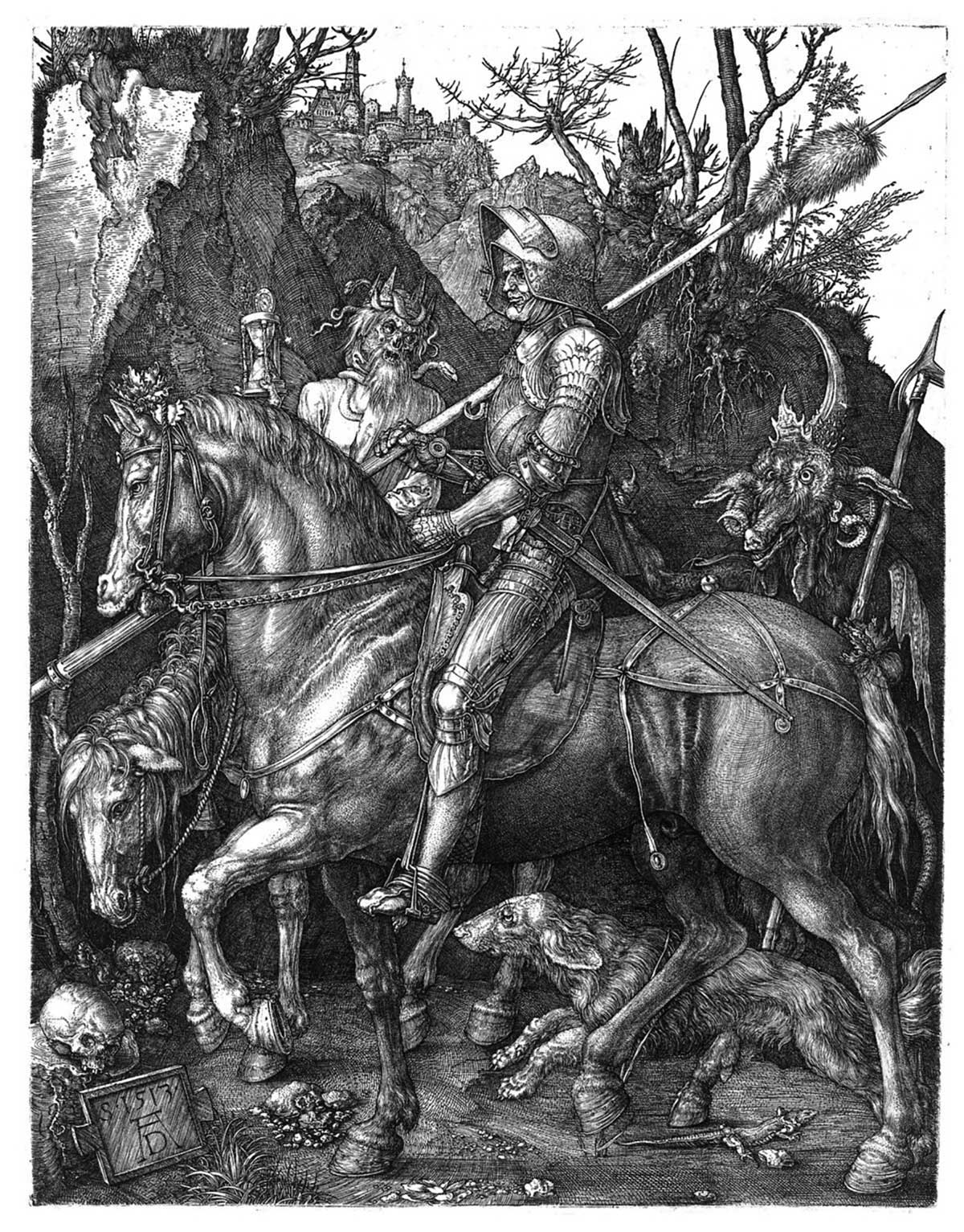
on Single-Mindedness in Durer's Ritter, Tod, und Teufel by Anthony Costello
33.2—March/April 2020
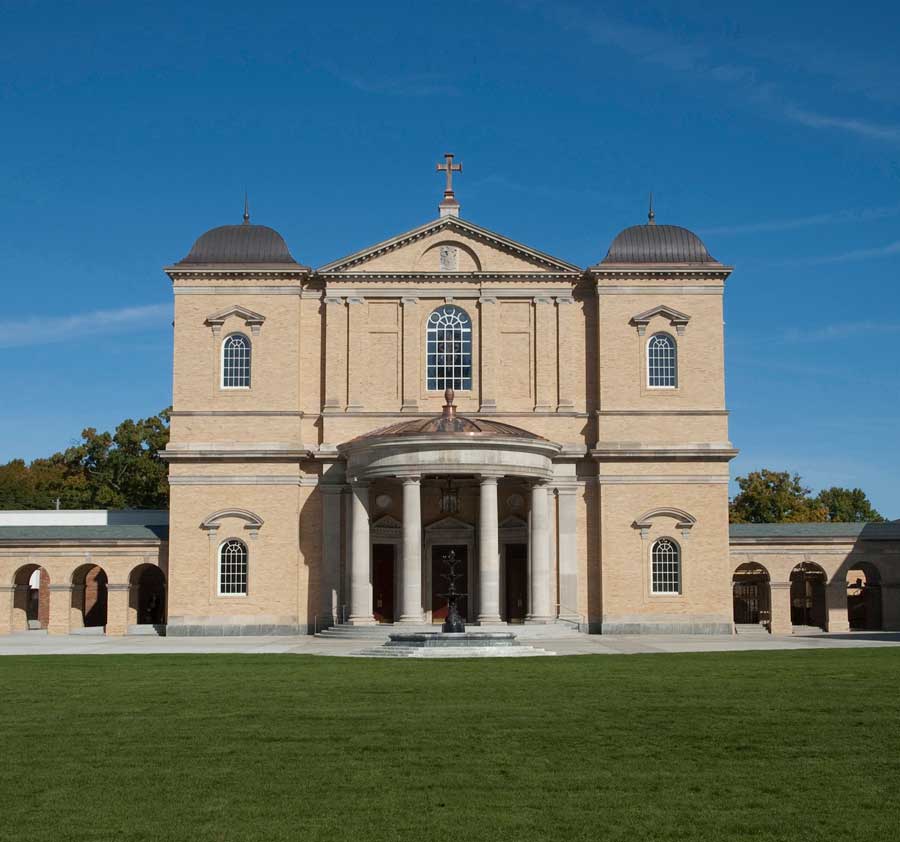
An Architectural Sign of Mere Christianity by Michael Ward
more from the online archives
34.1—January/February 2021
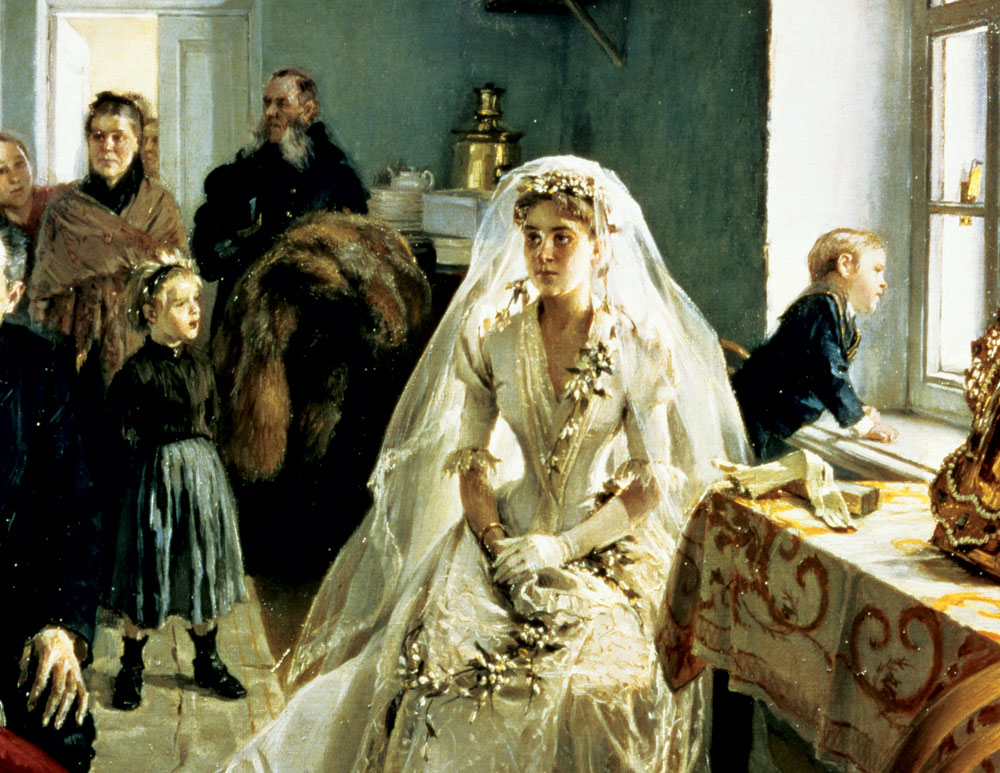
Jesus' Astonishing Other Teaching on Marriage by James Ware
22.3—April 2009
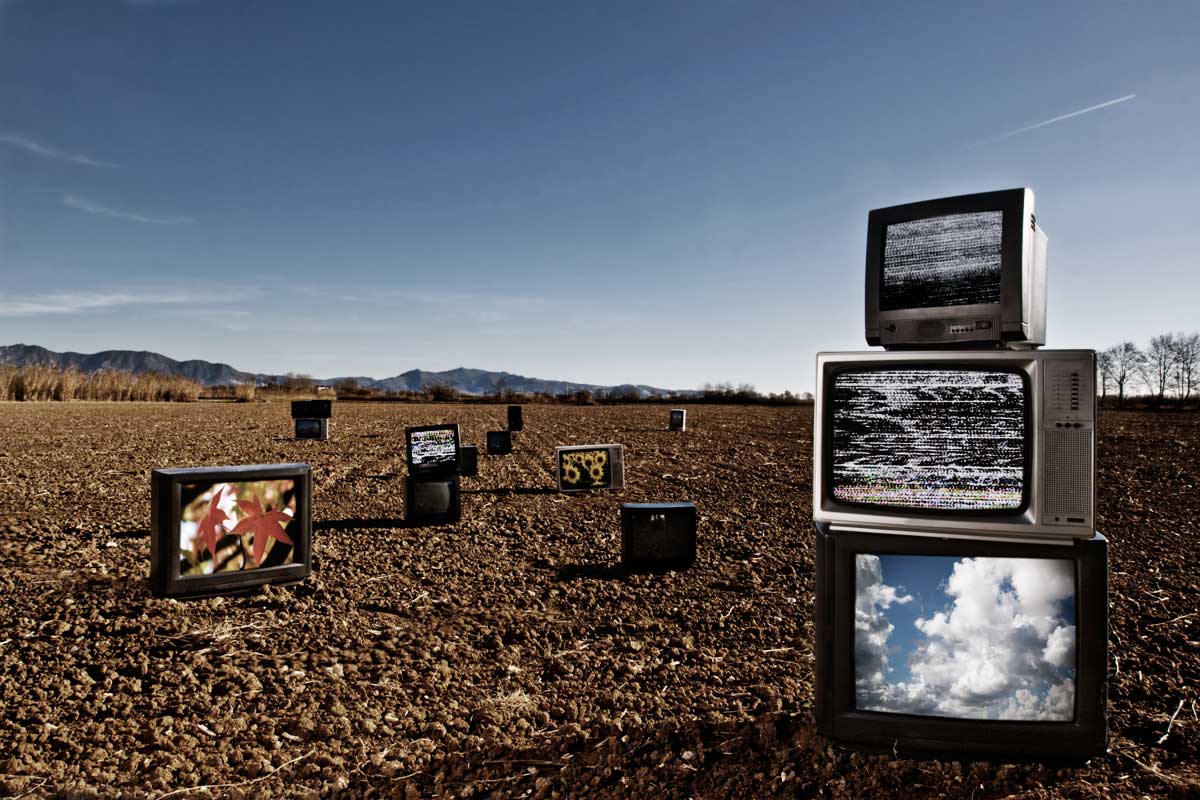
Neil Postman's Amusing Ourselves to Death: Public Discourse in the Age of Show Business by J. Daryl Charles
calling all readers
Please Donate
"There are magazines worth reading but few worth saving . . . Touchstone is just such a magazine."
—Alice von Hildebrand
"Here we do not concede one square millimeter of territory to falsehood, folly, contemporary sentimentality, or fashion. We speak the truth, and let God be our judge. . . . Touchstone is the one committedly Christian conservative journal."
—Anthony Esolen, Touchstone senior editor
