





The Last Judgment, Sainte-Foy at Conques
The abbey church of Sainte-Foy at Conques, France, was a landmark along the pilgrimage route to Santiago de Compostela in Spain. Pilgrims stopped along the way to venerate the relics of the fourth-century martyr, Saint Foy. The relics, which the monks had gone to some pains to acquire (by theft, incidentally), were thought to work miracles, and their relocation to Conques shifted the path of the pilgrimage route. The resulting influx of travelers made possible the expansion of the abbey’s earlier, smaller church into a full-blown Romanesque monument.
The village of Conques is nestled in a shell-shaped -valley (from the Latin conca, shell, whence Conques), and its church can’t be seen from afar, so the monks didn’t bother to build the usual tall towers on the western end of the new edifice. Also, the medieval streets of Conques, pretty much unchanged today, were narrow and winding. As a result, the pilgrim would come upon the church, with its brightly colored portal, by surprise, as if suddenly summoned by the Last Trump. Only traces of the original paint remain, but it must have blazed with brilliant reds, blues, and greens.
Figures in the Tympanum
And here, upon the half-circle of the tympanum above the door, is indeed the Last Judgment. Christ is in the center in a starry mandorla, surrounded by clouds and an almost frenetic burst of activity. Following the medieval hierarchy of scale, Christ, the most important figure, is the biggest. He sits in an energetic and angular pose, indicating the blessed and the damned with his large and expressive hands. Above him loom the cross and the instruments of the Passion, the sun and moon, and two angels with trumpets announcing the end of time.
On Christ’s right hand (the left side of the tympanum) are the saved, arranged in an orderly procession like the ranks on a medieval manuscript page. The Virgin is immediately to her son’s right, as befits the principal intercessor for mankind, and beyond her stands St. Peter, wielding the keys of heaven. Next comes St. James, the ultimate object of the pilgrimage, in his role as Santiago Matamoros, scourge of the Moors. This was, after all, the age of the reconquest of Spain and of the Crusades. These three stand under a little roof made by a banderole with a Latin inscription, held up by a post that separates them from the figures to their right.
Those figures seem to be a monk, leading a king by the hand, followed by a procession of four more saints. The monk is in fact Dadon, the hermit who founded the first oratory on this spot, and the king is none other than Charlemagne, who, in his great building campaign across the Holy Roman Empire, had donated the land for the abbey, along with the armload of treasures he carries. The other saints are not so easy to identify, but it is likely that they had local connections as well. One has lost his face to some disaster.
Just below them, wedged in the triangle between the major saints and the house full of smaller souls below, is Saint Foy herself, gravitating towards the hand of God, another image known from contemporary manuscript illumination. Around her are her altar and chalice, and what appear to be shackles. The saint was credited with the miraculous power to free prisoners. Apart from death, imprisonment was a chief concern of Crusaders, many of whom would have gone on pilgrimage first.
In the bottom register, Abraham nestles two of his sons in his bosom, and to his right and left, a series of crowned figures rest in the orderly mansions of the New Jerusalem. In the hierarchy of scale, these are the smallest. To the right, the actual judgment of souls is taking place just beneath Christ’s feet. St. Michael and the devil stand on opposite sides of a balance, weighing the deeds of individual souls to determine their fate. The devil, as one might expect, is cheating: his thumb is on the scale. To Michael’s right, angels open graves and bring forth the dead in the Resurrection of the Body.
Above, on the right side of the tympanum, on Christ’s left, is the chaotic realm of the devil. Immediately to the Lord’s left stand an angel with a censer, two more with a lance and a sword facing the door to heaven, and a fourth holding a book inscribed Signatur; it is sealed. Beyond the door, chaos reigns in a confused welter of demons and tormented souls. Below, demons seize upon the damned and push them through the floor, where more devils ram them through the mouth of hell to their eternal punishments. One, for example, who seems to be a suicide, is sentenced to hang forever; another, a poacher perhaps arrested on abbey grounds, is roasted on a spit by a demon with rabbit’s ears.
Puzzling Out the Meaning
As a pilgrim in the twelfth century, what might you have made of all this? A rhyming Latin inscription on banderoles runs through each half of the tympanum, which might have helped to explain it. The one describes the company of saints—the chaste, the meek, the friends of piety—safe and rejoicing, fearing nothing. The other numbers the perverse, the thieves, the liars and the false, the greedy and rapacious, the scoundrels—all tortured and trembling before the demons. But art, according to authorities no less than Gregory the Great and St. Bernard, was meant for the instruction of the unlettered. Still, it seems that deciphering a complex work like this one demands a degree of religious literacy that one would be hard-pressed to find in the literate modern world. Did the monks in charge of hospitality act as tour guides, too?
Above the tympanum, seemingly pushing apart the stone borders, are small figures pressing their fingers and noses through the gaps like medieval Kilroys. Who are they? Just a bit of whimsy on the stonemason’s part? They are certainly whimsical. Or are they pilgrims like us, peering at the artist’s handiwork in a laborious attempt to puzzle out its meaning?
Mary Elizabeth Podles is the retired curator of Renaissance and Baroque art at the Walters Art Museum in Baltimore, Maryland. She is the author of A Thousand Words: Reflections on Art and Christianity (St. James Press, 2023). She and her husband Leon, a Touchstone senior editor, have six children and live in Baltimore, Maryland. She is a contributing editor for Touchstone.
A Journal of Mere Christianity—Delivered to Your Door
- Essays on theology, culture, and the Church
- Contributors from across the Christian traditions

Six print issues (one year) of Touchstone, plus full online access and PDF downloads for only $39.95.

Get a one-year full-access subscription to the Touchstone online archives for only $19.95.
bulk subscriptions
Order Touchstone subscriptions in bulk and save $10 per sub! Each subscription includes 6 issues of Touchstone plus full online access to touchstonemag.com—including archives, videos, and pdf downloads of recent issues for only $29.95 each! Great for churches or study groups.
Transactions will be processed on a secure server.
more on art from the online archives
33.2—March/April 2020
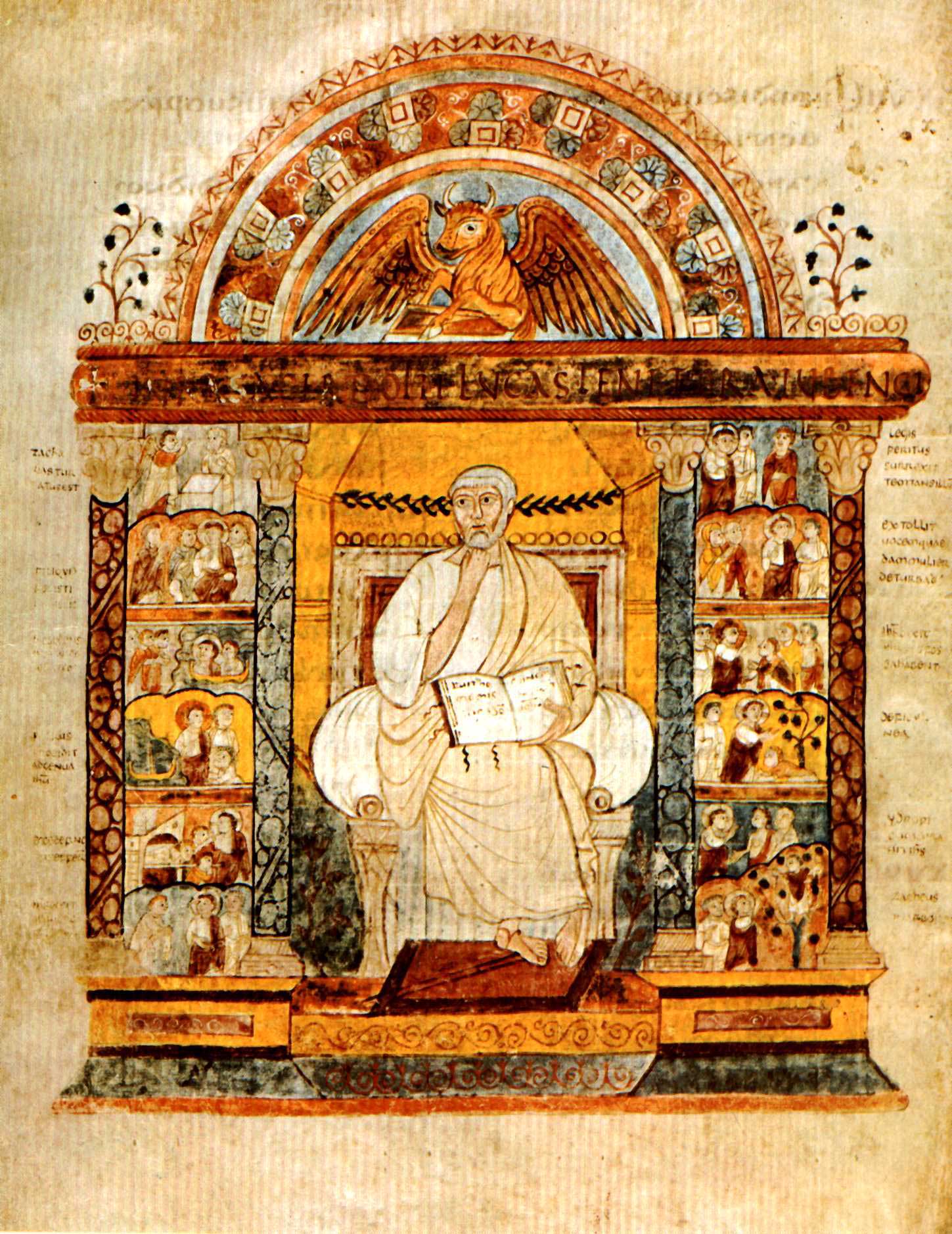
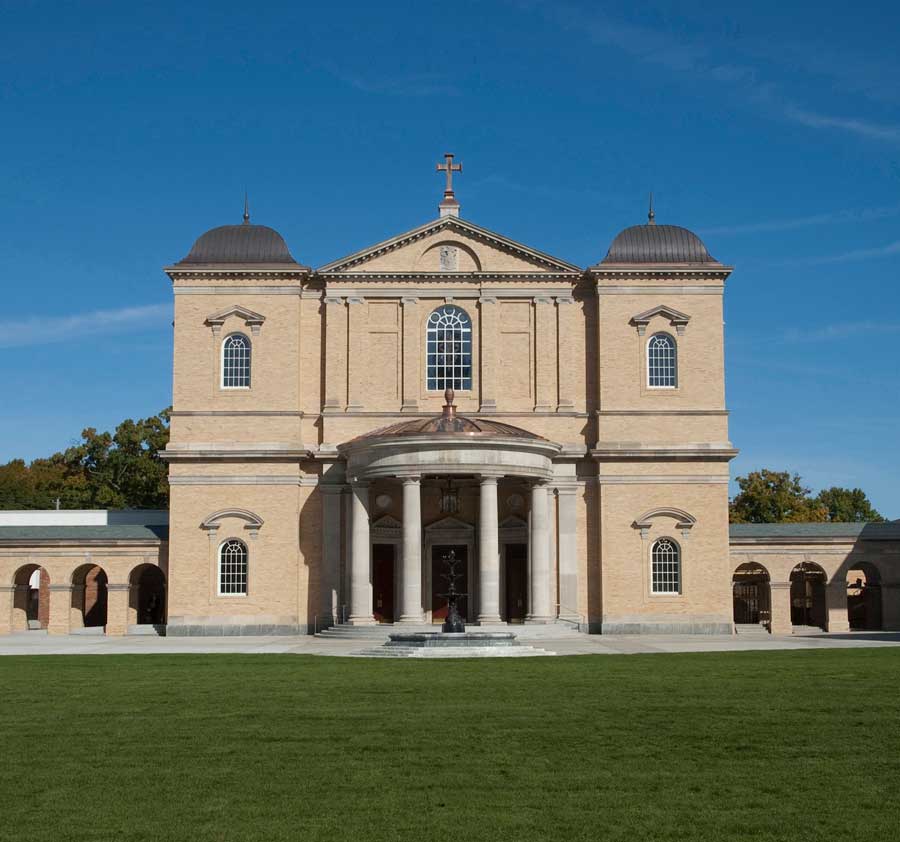
An Architectural Sign of Mere Christianity by Michael Ward
32.4—July/August 2019
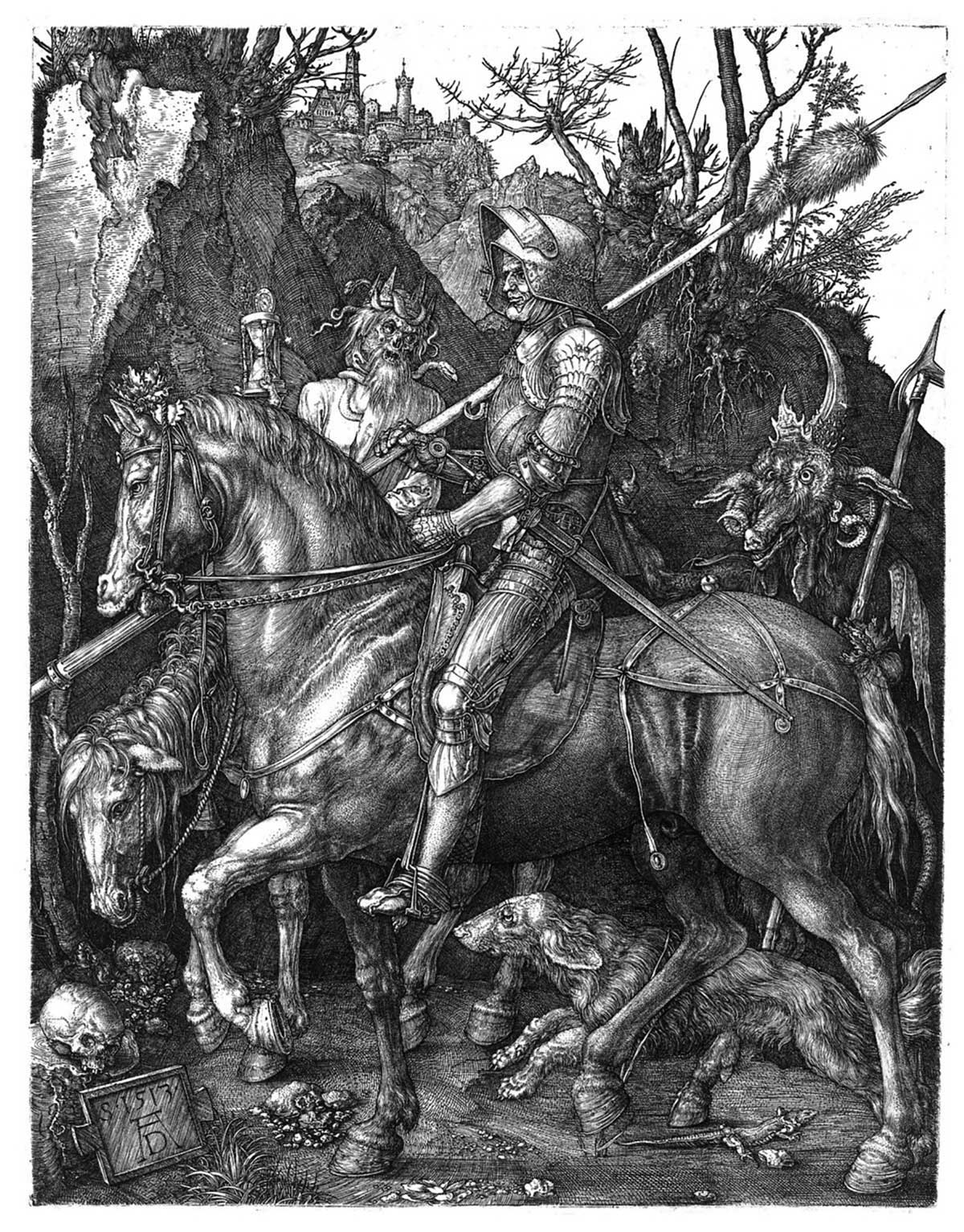
on Single-Mindedness in Durer's Ritter, Tod, und Teufel by Anthony Costello
more from the online archives
31.6—November/December 2018
on Futility & the Open Door to Deliverance by Patrick Henry Reardon
27.3—May/June 2014
Religious Freedom & Why It Matters
Working in the Spirit of John Leland by Robert P. George

24.5—Sept/Oct 2011
on Wondering or Wandering Through College Education by Anthony Esolen
calling all readers
Please Donate
"There are magazines worth reading but few worth saving . . . Touchstone is just such a magazine."
—Alice von Hildebrand
"Here we do not concede one square millimeter of territory to falsehood, folly, contemporary sentimentality, or fashion. We speak the truth, and let God be our judge. . . . Touchstone is the one committedly Christian conservative journal."
—Anthony Esolen, Touchstone senior editor
