





Très Riches Heures du Duc de Berry
October Calendar Page
Around the turn of the fifteenth century, lay people seeking a simple and ordered devotional life began to adopt the monastic hours of prayer into their daily lives. This practice gave rise to the manuscript Book of Hours, from which we have taken this illustration. An abbreviated and fairly flexible form of the canonical breviary, the Book of Hours contained prayers, readings, and calendar pages that directed one’s devotional progress over the course of the changing seasons. This calendar page for October from the Très Riches Heures du Duc de Berry opens a window onto the developing book form and its depictions of life in the late Middle Ages.
In a Book of Hours, each calendar page illustrates the labors of the given month, or, in this case, the alternating courtly pleasures and agricultural work of the month. October depicts a rustic scene, the sowing of winter wheat. At the top, an arch over the chariot of the sun contains the appropriate signs of the zodiac, Libra and Scorpio. Medieval man was more aware of the movement of the stars than we tend to be today, and the positions of the zodiac determined much of the farmer’s calendar. The church calendar, too, followed astronomical movement: Easter falls on the first Sunday after the first full moon after the vernal equinox. Above the zodiac, the numbers and letters are a guide to the feast days and saints’ days of the month, and to the prayers and psalms of the day, an index for the use of the book.
The full-page scene below is divided into three zones, foreground, middle ground, and background, using an unsystematic, empirical kind of perspective regression; it was probably built up in sections sequentially, perhaps by different artists. A pair of peasants in the foreground are sowing and harrowing. The figures are based on real observation: we could probably construct a fifteenth-century harrow from the picture, and weight it with a stone to break up the clods and cover the seed. The sower spreads his seeds with a graceful, almost balletic gesture, but again, the artist observes his footprints in the soft ground, his cast shadow, and the fact that without the harrowing, hungry birds will peck up all the wheat. In the middle ground, a scarecrow dressed as a bowman engages in another form of pest control. In the background, tiny washerwomen and boats work in the Seine, and behind them rises an architectural portrait of the Palace of the Louvre.
Each of the calendar pages is backed by a real, identifiable castle. The patron who commissioned the Très Riches Heures was Jean, Duc de Berry, the younger brother of Charles V, King of France, so the chateaus carry a personal meaning. The Duc de Berry was an extravagant aesthete and bibliophile, whose purchases often led him into serious debt. He had already commissioned a Book of Hours, the Très Belles Heures, from the Limbourg brothers, Pol, Jean, and Herman; he must have been pleased, since he immediately ordered from them another version for his private use, this one larger and more luxurious. It is mildly ironic that this large, complex, and costly book was designed to guide a royal personage in a simple, regulated prayer life, but such it was.
The Hours & the Limbourgs
Perhaps the canonical hours deserve some explanation. Pauses for prayer at set times during the day’s activities lent a supernatural significance to the changing hours. In her novel In This House of Brede, Rumer Godden describes them thus, beginning with
the exquisite daybreak Office of Lauds; pure praise. Prime . . . is the morning prayer, asking blessing on the day; Terce is at nine, the “third hour” of the ancient world, when the Holy Spirit had come down . . . Sext is at midday, the “sixth hour”; None at three o’clock, the “ninth hour” at which Christ died. Vespers, longer, more formal and of great beauty, is the evening prayer, a re-creation of the evening sacrifice at the Temple in Jerusalem. Compline at eight, intimate and quiet, closes the Canonical Hours. . . .
Such beautiful prayer deserved a beautiful book. The specialists who produced the Très Riches Heures, the Limbourg brothers, came from Nijmegen but trained as goldsmiths in Paris. At least one of them traveled to Italy, and all of them went to Brussels (where they were kidnapped, and ransomed by the artists’ guild at Nijmegen). They painted in a lapidary style, probably with the aid of a magnifying glass, delighting in the delicate, the colorful, and the lively. They were exponents, then, of the luxurious and cosmopolitan style that we call the International Gothic.
Much has been written about the sociological aspects of their work, the class consciousness, the contrast of courtly and rustic, of refinement and coarseness as class markers: in some of the rustic scenes, peasants have hiked up their tunics to reveal their underwear or, in one case, the lack thereof. The Limbourgs took more liberties with their rustic scenes, and were permitted more freedom to experiment, creating, for example, the first snow-filled landscape in Western art, while their courtly scenes were more formulaic and stylized, as was, perhaps, courtly life.
From Obscurity to Fame
Mary Elizabeth Podles is the retired curator of Renaissance and Baroque art at the Walters Art Museum in Baltimore, Maryland. She is the author of A Thousand Words: Reflections on Art and Christianity (St. James Press, 2023). She and her husband Leon, a Touchstone senior editor, have six children and live in Baltimore, Maryland. She is a contributing editor for Touchstone.
A Journal of Mere Christianity—Delivered to Your Door
- Essays on theology, culture, and the Church
- Contributors from across the Christian traditions

Six print issues (one year) of Touchstone, plus full online access and PDF downloads for only $39.95.

Get a one-year full-access subscription to the Touchstone online archives for only $19.95.
bulk subscriptions
Order Touchstone subscriptions in bulk and save $10 per sub! Each subscription includes 6 issues of Touchstone plus full online access to touchstonemag.com—including archives, videos, and pdf downloads of recent issues for only $29.95 each! Great for churches or study groups.
Transactions will be processed on a secure server.
more on Art from the online archives
33.2—March/April 2020
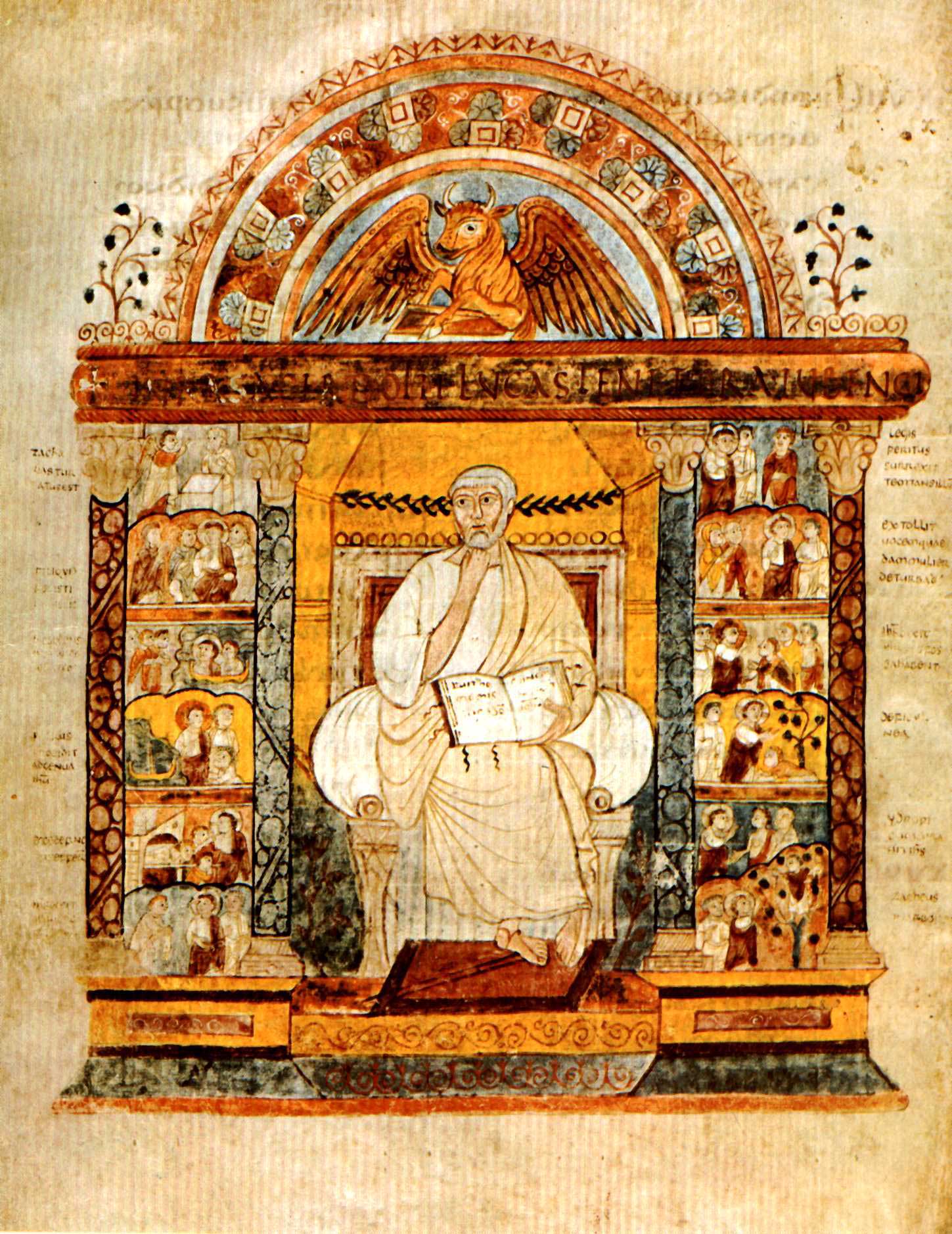
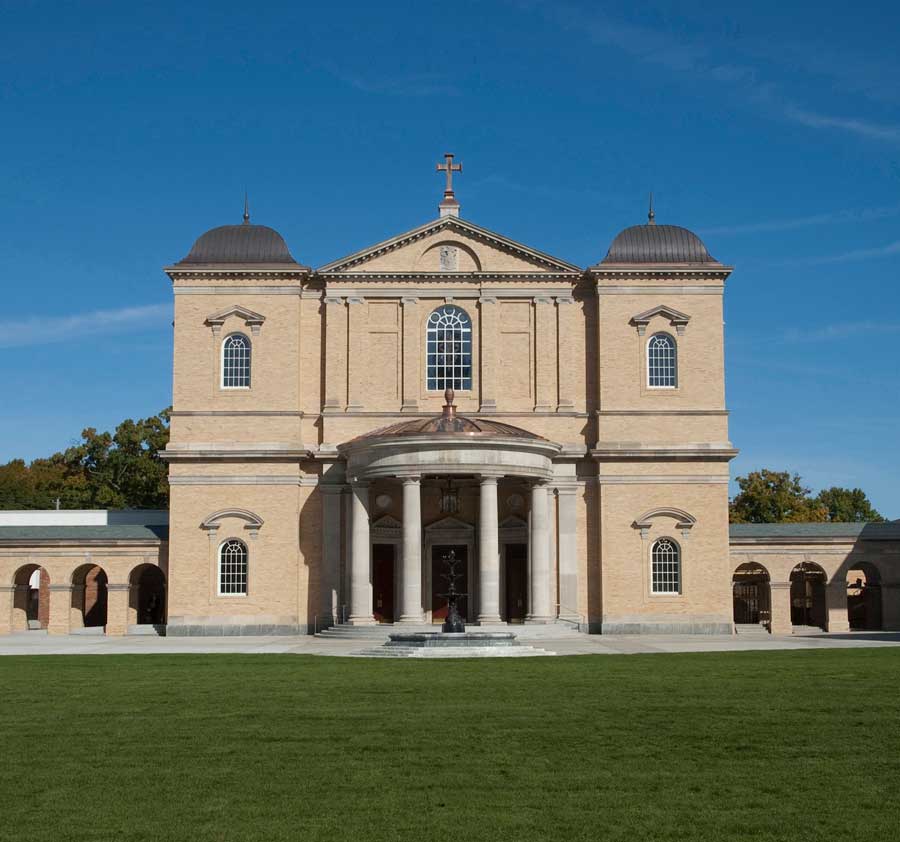
An Architectural Sign of Mere Christianity by Michael Ward
32.4—July/August 2019
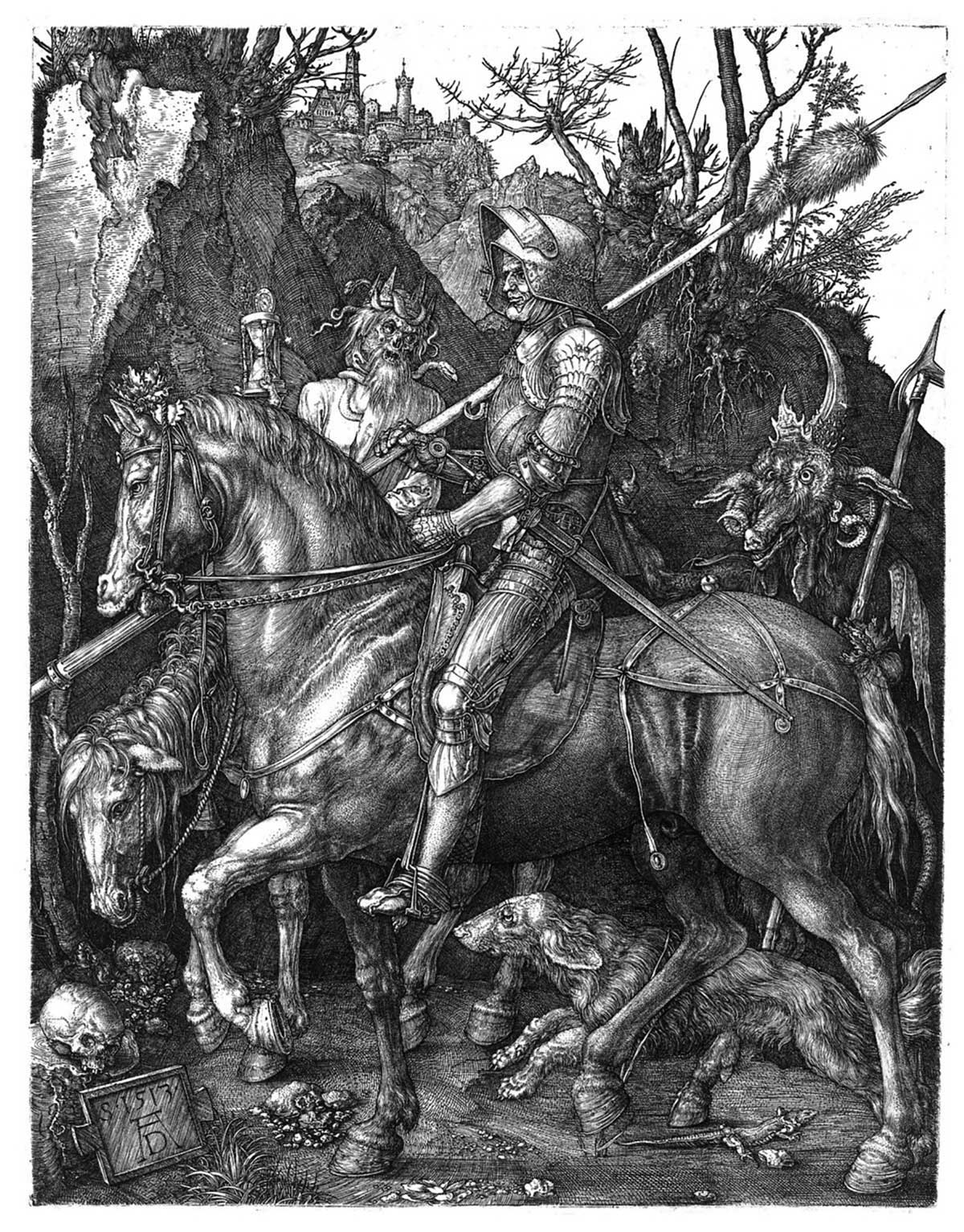
on Single-Mindedness in Durer's Ritter, Tod, und Teufel by Anthony Costello
more from the online archives
30.6—Nov/Dec 2017
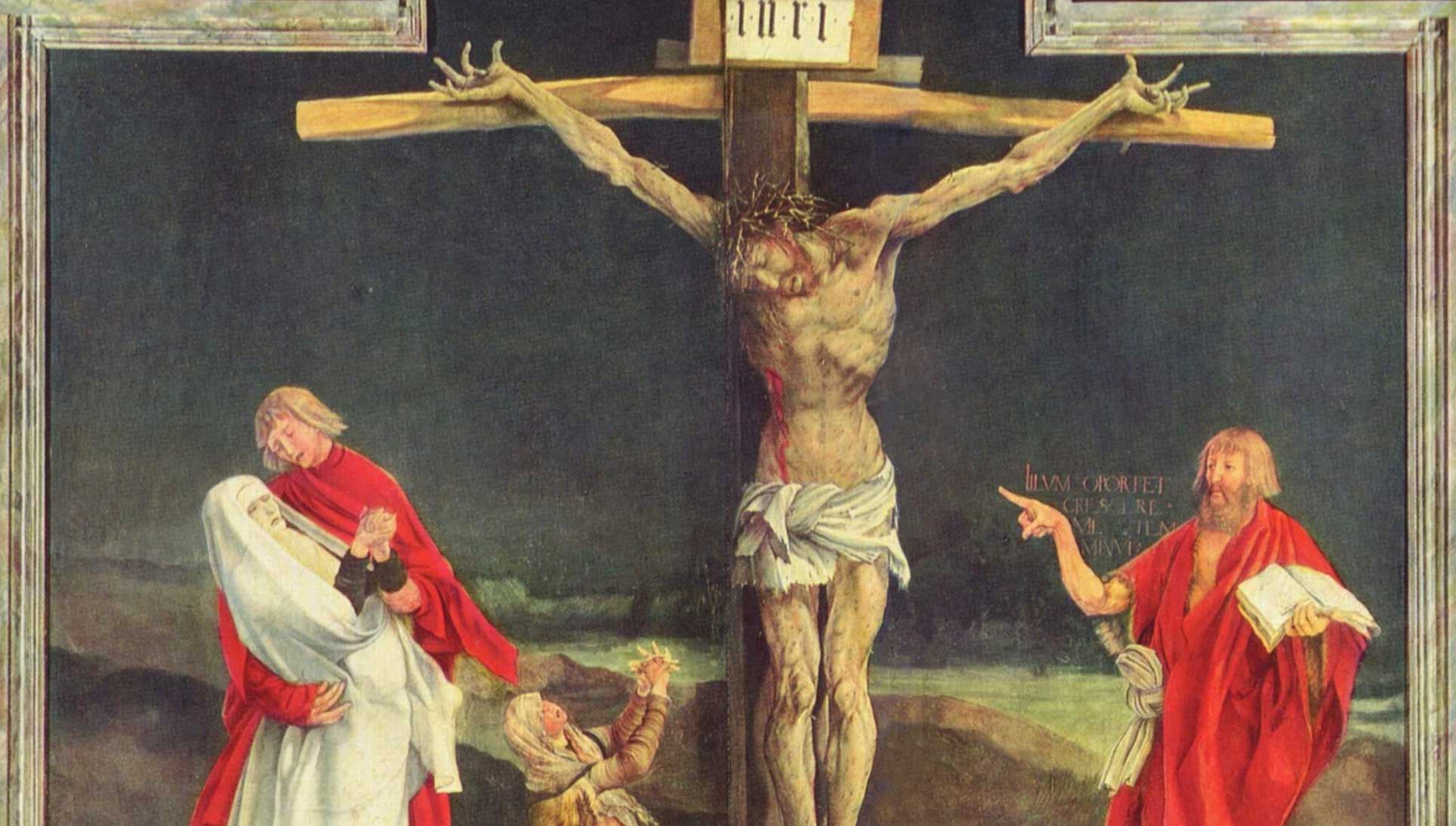
on Benedict XVI on the Fairest of the Sons of Men by Michael Martin De Sapio

28.5—Sept/Oct 2015
Remembering Angka & the Idolatry of the Khmer Rouge 40 Years Later by Les Sillars
31.4—July/August 2018
The Difficulty of Apologetics for Dead Souls in the Real World by R. J. Snell
calling all readers
Please Donate
"There are magazines worth reading but few worth saving . . . Touchstone is just such a magazine."
—Alice von Hildebrand
"Here we do not concede one square millimeter of territory to falsehood, folly, contemporary sentimentality, or fashion. We speak the truth, and let God be our judge. . . . Touchstone is the one committedly Christian conservative journal."
—Anthony Esolen, Touchstone senior editor
