




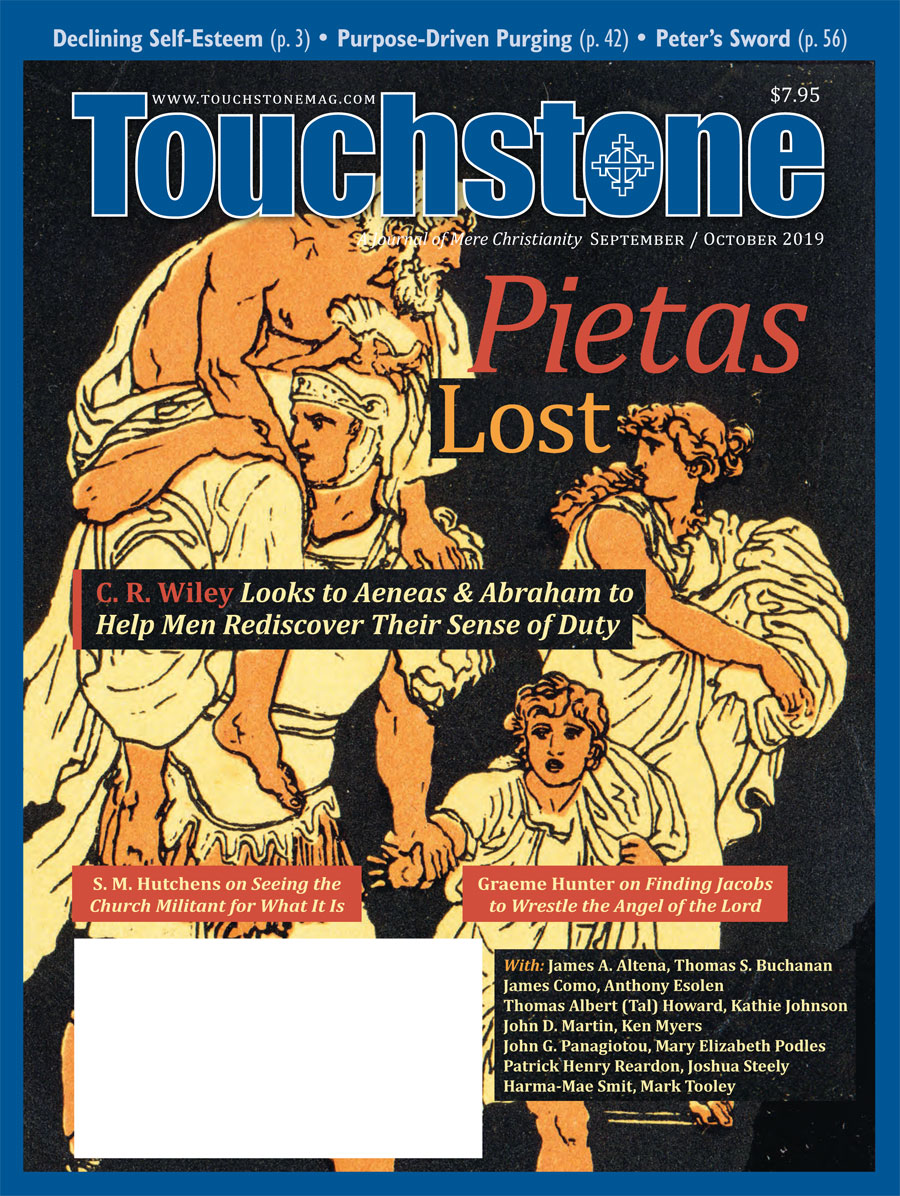
Feature
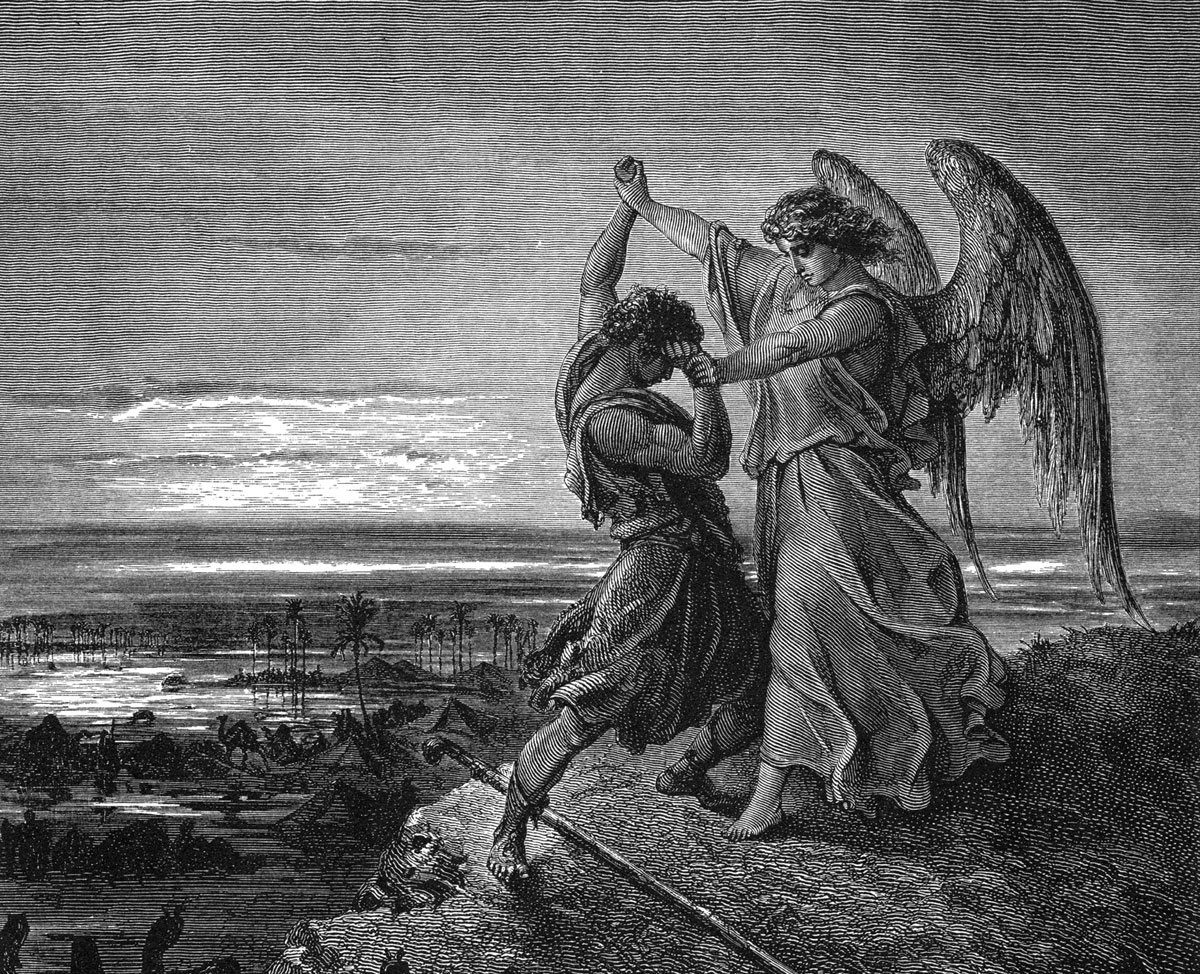
Looking for Jacobs
Some Trivial Thoughts on the Study of Philosophy
by Graeme Hunter
Descartes says there are five sources of wisdom. Conversation and history are two of them, and they will be my subjects because, like philosophy, they depend on words.
Being social animals, we need interaction with other people. If we are going to be wise, we must file the rough edges of our thinking, not in order to smooth and soften them, but to make them strong and sharp. Conversation is the file society provides for this purpose. It is the best remedy for flaccid wits. Almost any conversation is good, but not all of it makes us wise. Wisdom improves fastest through conversation with people who are already wise. They needn't be credentialed, but to be useful for our mental development, they must be people who easily catch the drift of whatever you propose and just as easily detect its weaknesses. Wise people are seldom eager to converse with youngsters, unless they detect in them some dialectical promise.
THIS ARTICLE ONLY AVAILABLE TO SUBSCRIBERS.
FOR QUICK ACCESS:
Graeme Hunter is a contributing editor to Touchstone and Research Professor of Philosophy at Dominican University College in Ottawa. He is the author of Radical Protestantism in Spinoza's Thought (Ashgate).
A Journal of Mere Christianity—Delivered to Your Door
- Essays on theology, culture, and the Church
- Contributors from across the Christian traditions

Six print issues (one year) of Touchstone, plus full online access and PDF downloads for only $39.95.

Get a one-year full-access subscription to the Touchstone online archives for only $19.95.
bulk subscriptions
Order Touchstone subscriptions in bulk and save $10 per sub! Each subscription includes 6 issues of Touchstone plus full online access to touchstonemag.com—including archives, videos, and pdf downloads of recent issues for only $29.95 each! Great for churches or study groups.
Transactions will be processed on a secure server.
more on philosophy from the online archives
32.5—September/October 2019
Some Trivial Thoughts on the Study of Philosophy by Graeme Hunter
more from the online archives

28.6—Nov/Dec 2015
on the Deepest Longings of the Restless & the Lonely by William Graddy
29.2—March/April 2016
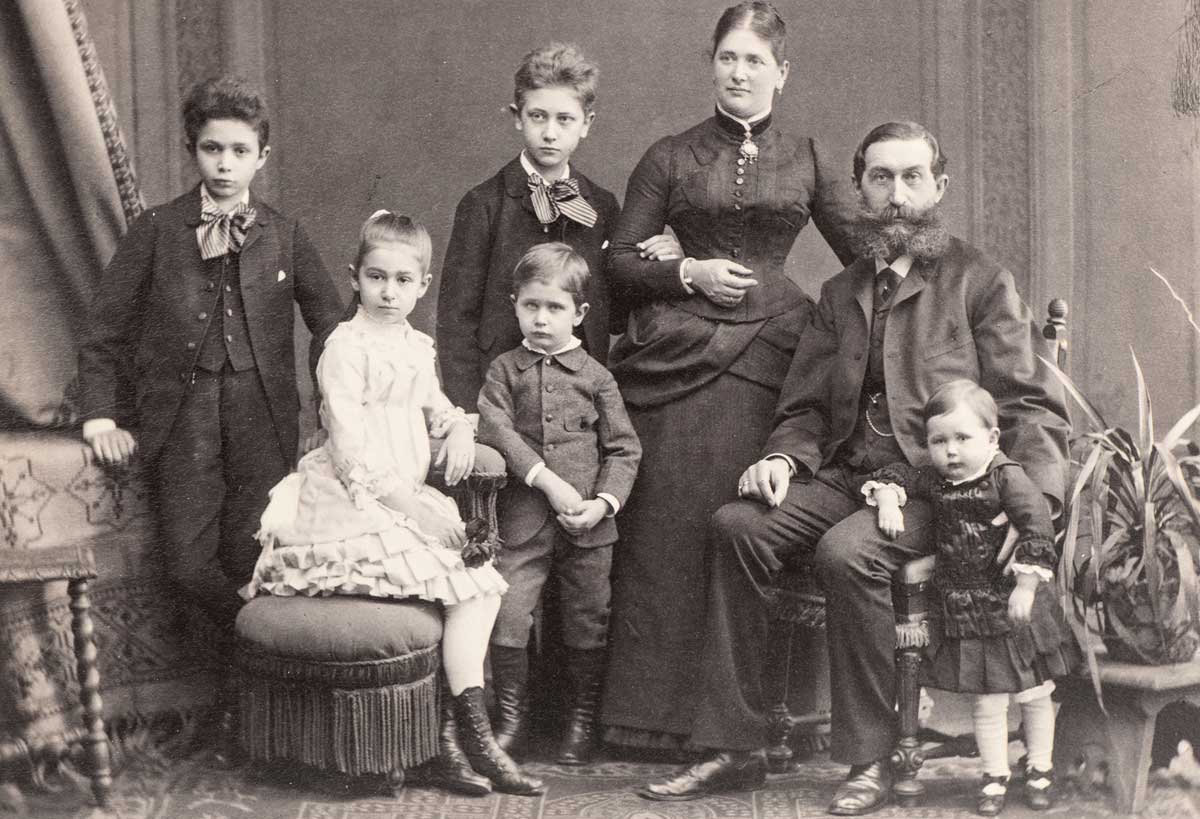
The History of Family Strength in America May Reveal Good News by Allan C. Carlson
35.2—Mar/Apr 2022
on Fatigued Christians Deciding to Engage the Culture by Keith Lowery
calling all readers
Please Donate
"There are magazines worth reading but few worth saving . . . Touchstone is just such a magazine."
—Alice von Hildebrand
"Here we do not concede one square millimeter of territory to falsehood, folly, contemporary sentimentality, or fashion. We speak the truth, and let God be our judge. . . . Touchstone is the one committedly Christian conservative journal."
—Anthony Esolen, Touchstone senior editor
