





Editorial
Taking Liberties
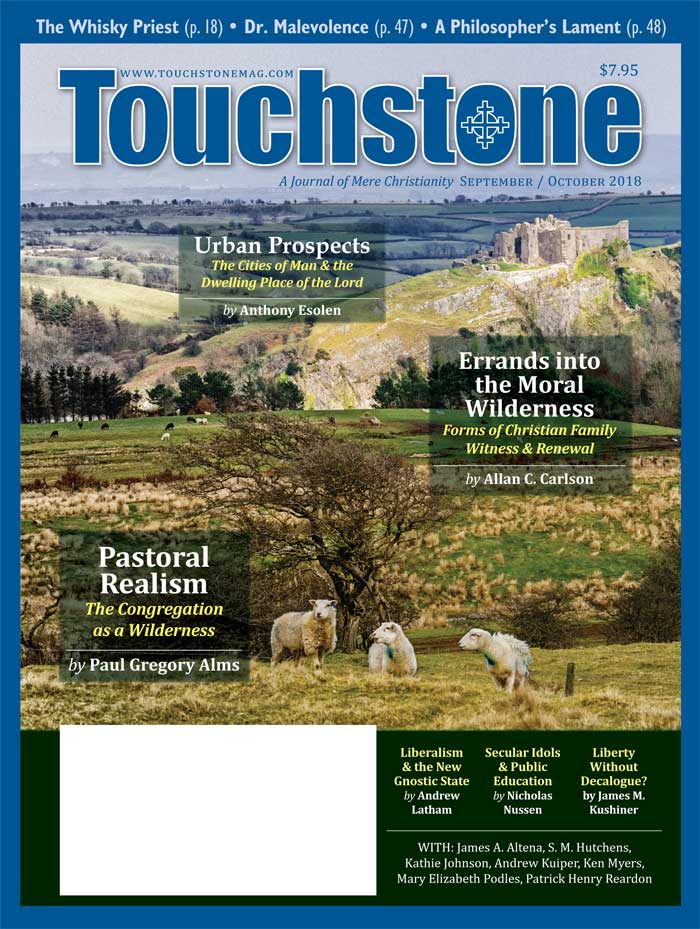
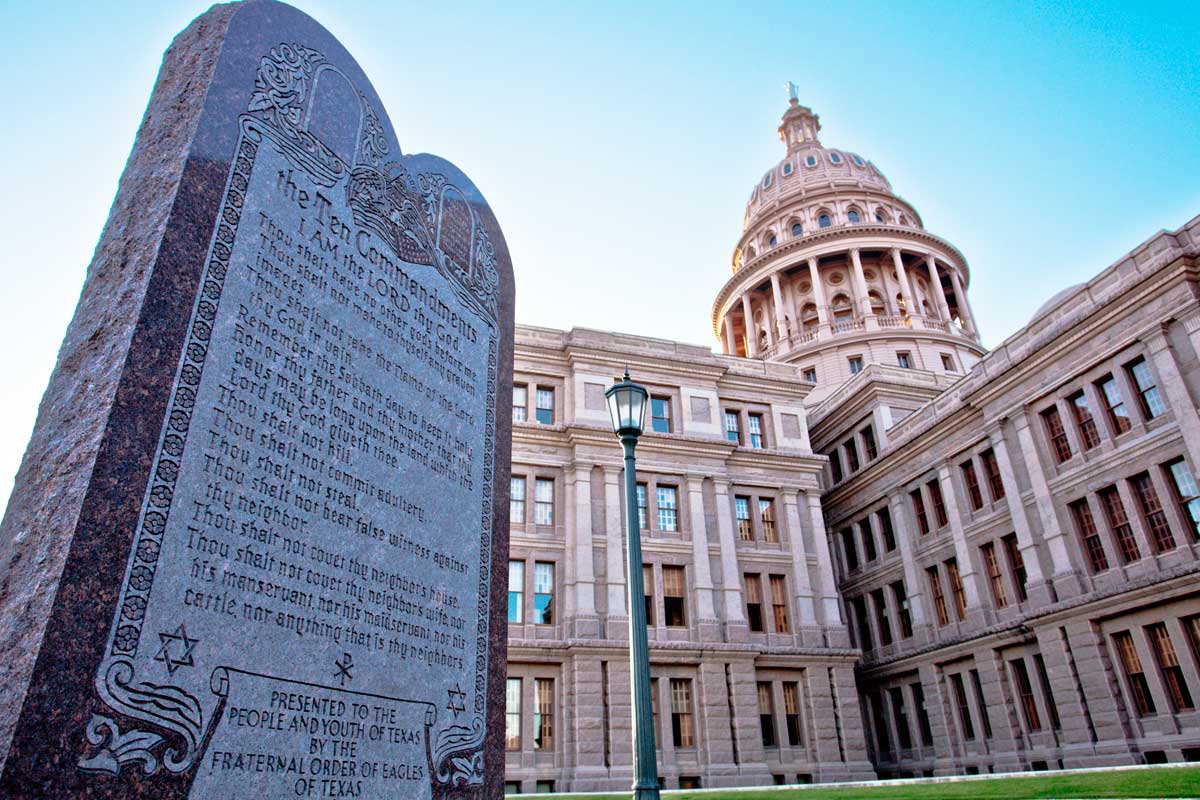
The Secular State Without the Decalogue
by James M. Kushiner
Cecil B. DeMille's 1956 film The Ten Commandments depicted a founding event of Judeo-Christian civilization, the Exodus and giving of the Law to Hebrew slaves from Egypt. DeMille's Moses says before his death, "Proclaim liberty throughout the land." Not the biblical Moses' final message, these words were lifted from Leviticus 25:10, where they were prescribed to announce the Year of Jubilee and the freeing of slaves.
DeMille was not the first to appropriate this verse about slaves. In 1752, the Provincial Assembly of Pennsylvania commissioned a bell inscribed with Leviticus 25:10, setting LIBERTY in all caps (aka the Liberty Bell). This general liberty was not particularly about slaves, for slavery was legal in Pennsylvania, though contested and eventually outlawed. Nor was it about American independence—the bell was rung in 1760 at King George III's accession to the throne. But it later became an icon of American ideas of liberty.
THIS ARTICLE ONLY AVAILABLE TO SUBSCRIBERS.
FOR QUICK ACCESS:
James M. Kushiner is the Director of Publications for The Fellowship of St. James and the former Executive Editor of Touchstone.
A Journal of Mere Christianity—Delivered to Your Door
- Essays on theology, culture, and the Church
- Contributors from across the Christian traditions

Six print issues (one year) of Touchstone, plus full online access and PDF downloads for only $39.95.

Get a one-year full-access subscription to the Touchstone online archives for only $19.95.
bulk subscriptions
Order Touchstone subscriptions in bulk and save $10 per sub! Each subscription includes 6 issues of Touchstone plus full online access to touchstonemag.com—including archives, videos, and pdf downloads of recent issues for only $29.95 each! Great for churches or study groups.
Transactions will be processed on a secure server.
more on the ten commandments from the online archives
31.5—September/October 2018
The Secular State Without the Decalogue by James M. Kushiner
more from the online archives

32.4—July/August 2019
Will Islamicization Become Its New Future by Peter Riddell

calling all readers
Please Donate
"There are magazines worth reading but few worth saving . . . Touchstone is just such a magazine."
—Alice von Hildebrand
"Here we do not concede one square millimeter of territory to falsehood, folly, contemporary sentimentality, or fashion. We speak the truth, and let God be our judge. . . . Touchstone is the one committedly Christian conservative journal."
—Anthony Esolen, Touchstone senior editor
