




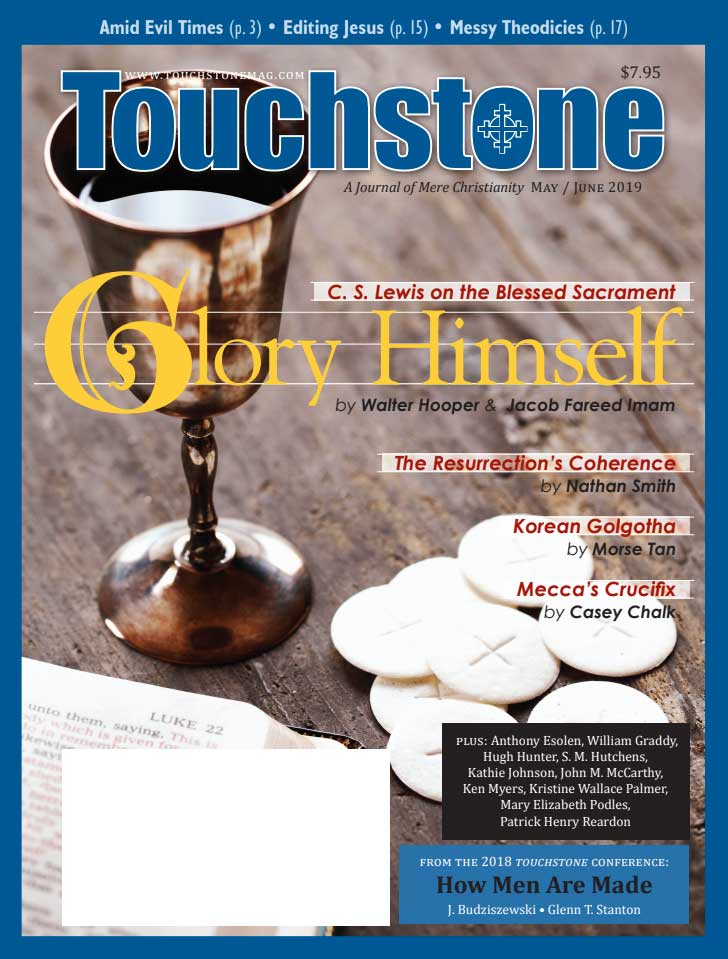
2018 Conference Talk
What Makes Men Men?
The Nature of a Man Is What He Is For
by J. Budziszewski
I am a little amused, because it may at first seem that Glenn Stanton and I disagree about everything. He argues that manhood is not natural; I argue that it is. However, this is not a real disagreement, because the term "natural" is used in different senses. Psychologists and sociologists generally use it to refer to what is spontaneous or comes easily for creatures of our nature. Ethical philosophers and theologians generally use it to refer to what reflects the flourishing or proper development of creatures of our nature, and that may come hard. I certainly don't think males become men easily or spontaneously. But for their own good, I do think they need to become men. So manhood is natural in my sense, even though not in Glenn Stanton's—and he and I agree about this.
THIS ARTICLE ONLY AVAILABLE TO SUBSCRIBERS.
FOR QUICK ACCESS:
J. Budziszewski is Professor of Government, Philosophy, and Civic Leadership at the University of Texas at Austin, and the author of several books, including Pandemic of Lunacy: How to Think Clearly When Everyone Around You Seems Crazy (Creed & Culture, 2026).
A Journal of Mere Christianity—Delivered to Your Door
- Essays on theology, culture, and the Church
- Contributors from across the Christian traditions

Six print issues (one year) of Touchstone, plus full online access and PDF downloads for only $39.95.

Get a one-year full-access subscription to the Touchstone online archives for only $19.95.
bulk subscriptions
Order Touchstone subscriptions in bulk and save $10 per sub! Each subscription includes 6 issues of Touchstone plus full online access to touchstonemag.com—including archives, videos, and pdf downloads of recent issues for only $29.95 each! Great for churches or study groups.
Transactions will be processed on a secure server.
more on fatherhood from the online archives
14.1—January/February 2001
The Christian Heart of Fatherhood
The Place of Marriage, Authority & Service in the Recovery of Fatherhood by John M. Haas
more from the online archives
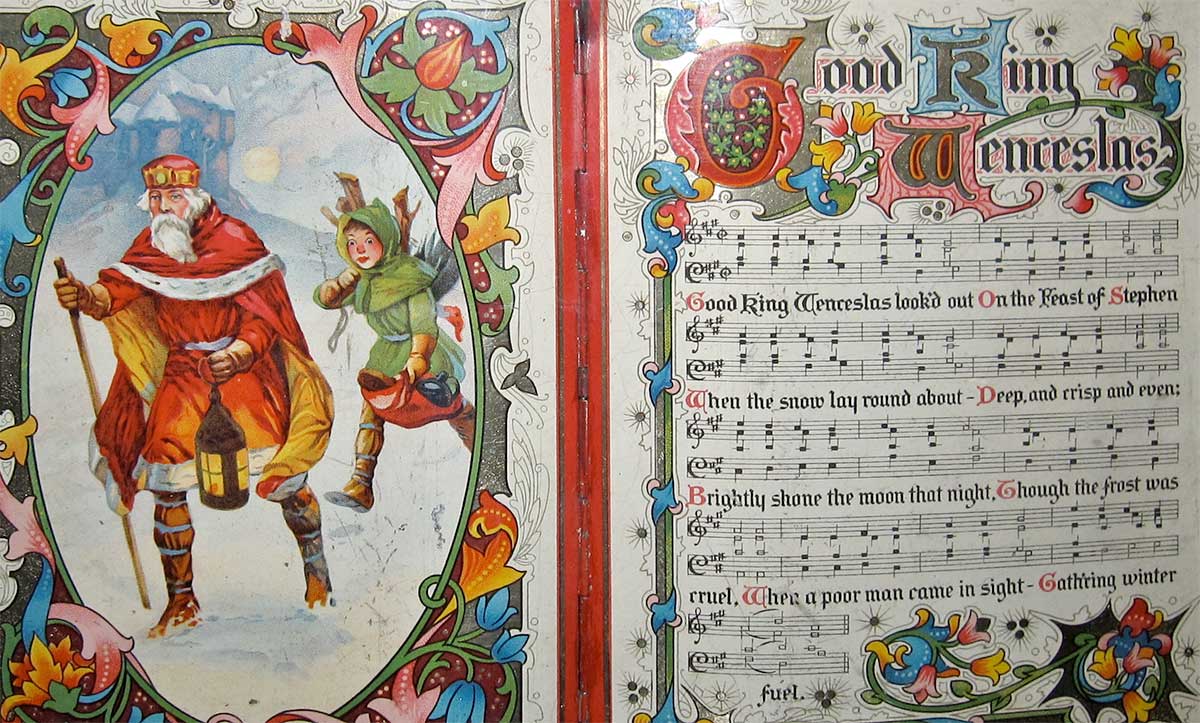
22.8—November/December 2009
on the Real Men Behind the Christmas Carol by Michael Baum
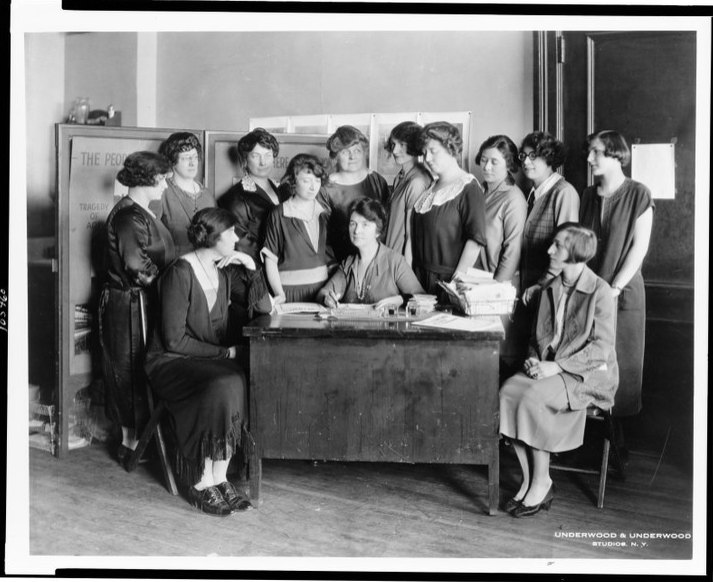
24.1—January/February 2011
How Planned Parenthood's Founder Played the Christians, and Won by Allan C. Carlson
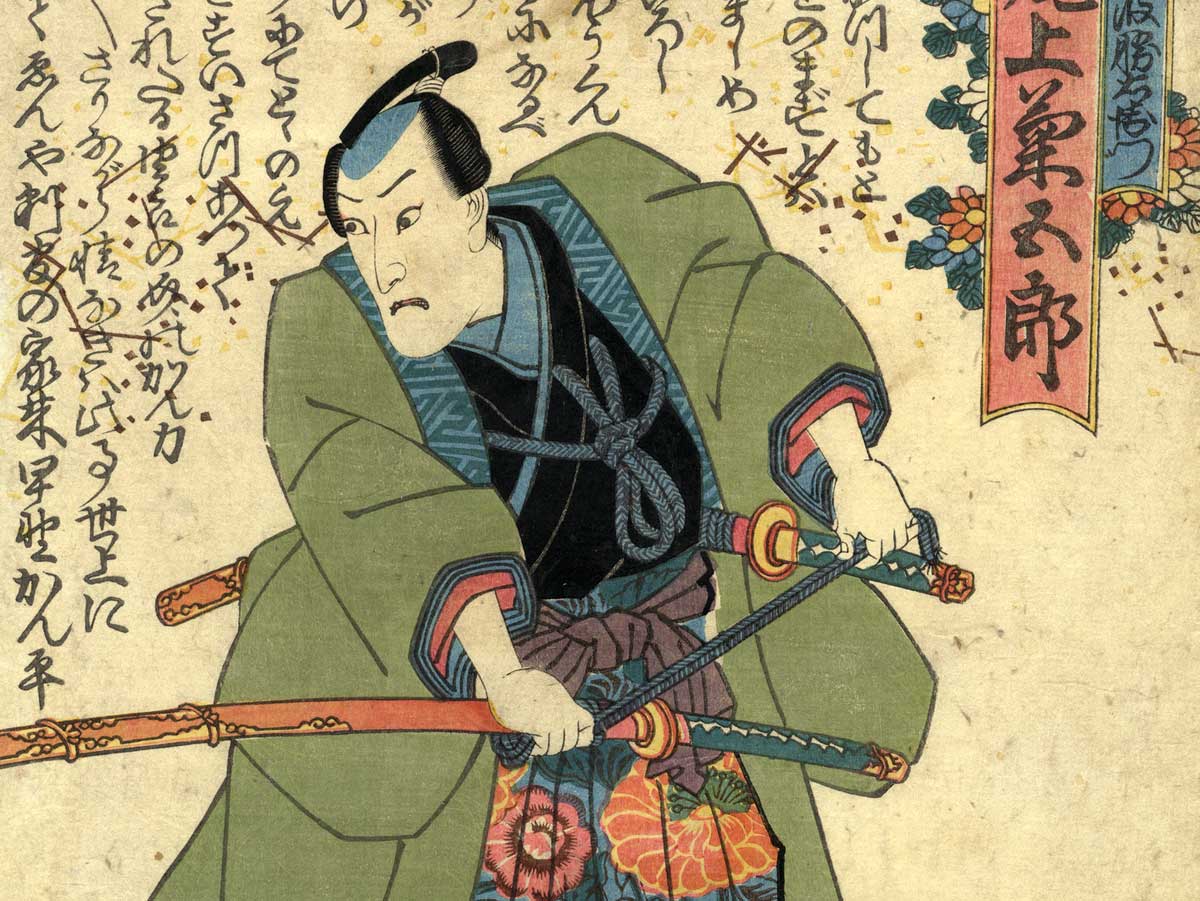
22.6—July/August 2009
on a Noble Defense Doomed by Darwinian Materialism by John G. West
calling all readers
Please Donate
"There are magazines worth reading but few worth saving . . . Touchstone is just such a magazine."
—Alice von Hildebrand
"Here we do not concede one square millimeter of territory to falsehood, folly, contemporary sentimentality, or fashion. We speak the truth, and let God be our judge. . . . Touchstone is the one committedly Christian conservative journal."
—Anthony Esolen, Touchstone senior editor
