





Illuminations
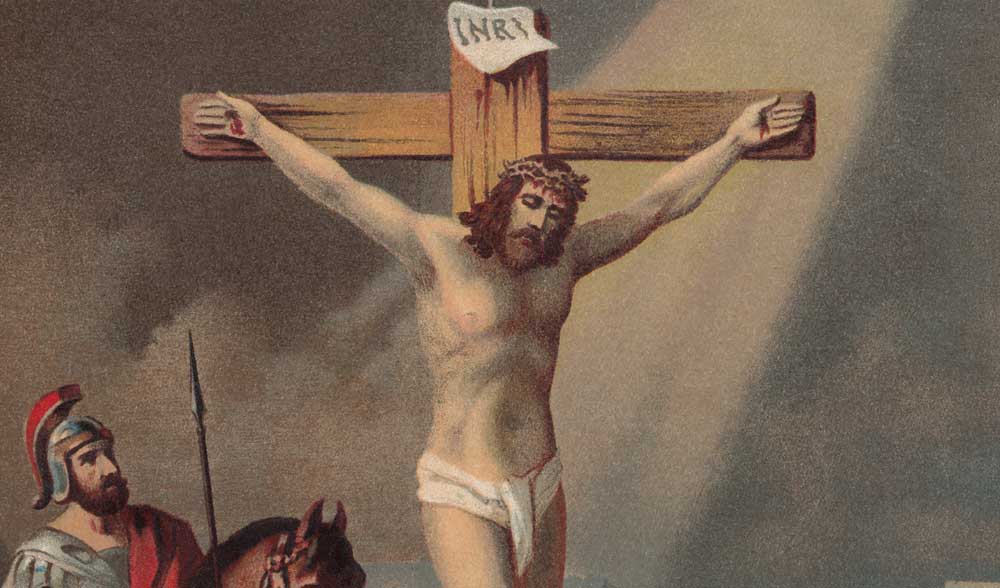
The First Blood
by Anthony Esolen
When I first encountered Roman history, I was puzzled by some of the cognomens of their heroes, such as Publius Cornelius Scipio Africanus. Was Scipio an African, or at least born in Africa? Was Tiberius's brother Germanicus born in the shadows of the Alps? It never occurred to me then that you would be given a name from some deed you had performed in battle, and that then it would become a family name, passed down to your children and your children's children. Imagine Douglas MacArthur Philippinus, or Theodore Roosevelt Mexicanus.
Sometimes your name came not from the place where you shed other people's blood to win glory for yourself, but from some peculiarity of the battle. So it was that the young Titus Manlius, in battle against the cisalpine Gauls who so often pressed against Rome and her allies, took up in single combat the challenge of a Gallic giant, slew him, and ripped the gold torque from his neck, to put it on his own. Hence he was called Torquatus, the man with the neck chain.
THIS ARTICLE ONLY AVAILABLE TO SUBSCRIBERS.
FOR QUICK ACCESS:
Anthony Esolen is Distinguished Professor of Humanities at Thales College and the author of over 30 books, including Real Music: A Guide to the Timeless Hymns of the Church (Tan, with a CD), Out of the Ashes: Rebuilding American Culture (Regnery), and The Hundredfold: Songs for the Lord (Ignatius). He has also translated Dante’s Divine Comedy (Random House) and, with his wife Debra, publishes the web magazine Word and Song (anthonyesolen.substack.com). He is a senior editor of Touchstone.
A Journal of Mere Christianity—Delivered to Your Door
- Essays on theology, culture, and the Church
- Contributors from across the Christian traditions

Six print issues (one year) of Touchstone, plus full online access and PDF downloads for only $39.95.

Get a one-year full-access subscription to the Touchstone online archives for only $19.95.
bulk subscriptions
Order Touchstone subscriptions in bulk and save $10 per sub! Each subscription includes 6 issues of Touchstone plus full online access to touchstonemag.com—including archives, videos, and pdf downloads of recent issues for only $29.95 each! Great for churches or study groups.
Transactions will be processed on a secure server.
more on music from the online archives

33.3—May/June 2020
Bach's Cantata BWV 106, Gottes Zeit ist die allerbesteZeit (God's time is the very best time) by Ken Myers
more from the online archives

18.2—March 2005
On Conservatism as Vexation, Vanity & Near Impossibility by Graeme Hunter
31.4—July/August 2018
Labels & the Ecumenism of Discipleship by James M. Kushiner

calling all readers
Please Donate
"There are magazines worth reading but few worth saving . . . Touchstone is just such a magazine."
—Alice von Hildebrand
"Here we do not concede one square millimeter of territory to falsehood, folly, contemporary sentimentality, or fashion. We speak the truth, and let God be our judge. . . . Touchstone is the one committedly Christian conservative journal."
—Anthony Esolen, Touchstone senior editor
