




Column: Mortal Remains
But Is It Interesting?
by S. M. Hutchens
Wherever the criterion controlling what readers read is that writing be "interesting," the standard of intellectual strength and accomplishment must necessarily decline, following the natural laziness of the mind—its desire to be entertained surmounting its desire to learn what is worth knowing. The more worthy desire rests upon the conviction that some writings, whether interesting or not, increase a man's happiness (in the classical sense of the term), and so should be read in preference to others. This, at any rate is the conviction of the classicist, who refuses to advance inferior criteria of worth over the primary and superior.
Such a reader may progress with great difficulty to the end of a piece, and re-read it multiple times, if he is under the impression that it is important, even if only to him. Trained to think this way by my father, I read Lewis's Pilgrim's Regress every year for about ten years, until I thought I understood it pretty well. It was a significant part of my introduction to subjects upon which I had never received any schooling.
I'll also use as an example my father's struggles with my dissertation, which he found very difficult. Upon his death I recovered the copy I had given him and found it stuffed full of vocabulary lists from its text and definitions he had looked up for terms he didn't understand. He had spent many hours laboring over it because
(I believe) he recognized it as an important part of the fruit of his labors in raising me and training me to think. He wanted very much to know not only what I had wrought, but what he had wrought in making me.
Difficult & Deserving
We should leave off reading things not so much because they are uninteresting as because we have gone far enough into them to believe they are unimportant—part of the great multiplication of empty and needless words in our world which we do ourselves the service of silencing simply by turning them off at the portals of the mind, purposing to turn toward works that deserve the attention of the learned and virtuous. Hutchins and Adler were on the right track.
Great and important books are very often far from scintillating. They may be expected to be difficult; thus we find them uninteresting. We use that quality as an excuse for declining to read them, and thus defend the failure of our minds and the cultures they produce to attain what they have been invited to attain by the wisdom of the ages. Just because a person lives after a giant doesn't mean he stands on the giant's shoulders. He has to climb up first.
The value of a work can never be properly judged by whether it interests us. This is not to say that great writing may not also be found interesting, only that this consideration is irrelevant to the writing's worth, and to the question of whether it deserves our time. We should add to the cautionary list of King Lemuel's mother something else that is not for kings: reading only what we, as people prone to sloth and its ignorance, find "interesting."
S. M. Hutchens is a senior editor and longtime writer for Touchstone.
A Journal of Mere Christianity—Delivered to Your Door
- Essays on theology, culture, and the Church
- Contributors from across the Christian traditions

Six print issues (one year) of Touchstone, plus full online access and PDF downloads for only $39.95.

Get a one-year full-access subscription to the Touchstone online archives for only $19.95.
bulk subscriptions
Order Touchstone subscriptions in bulk and save $10 per sub! Each subscription includes 6 issues of Touchstone plus full online access to touchstonemag.com—including archives, videos, and pdf downloads of recent issues for only $29.95 each! Great for churches or study groups.
Transactions will be processed on a secure server.
more from the online archives

33.3—May/June 2020
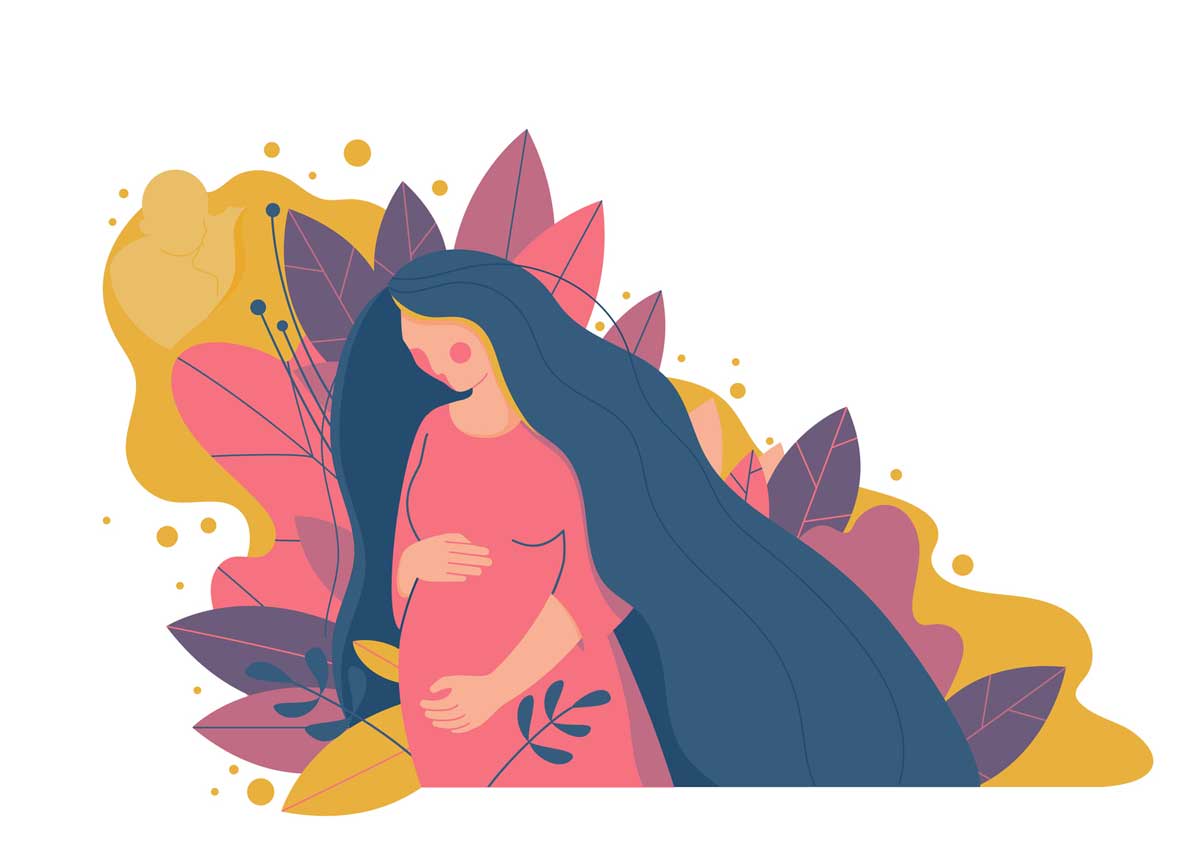
Maternal Body: A Theology of Incarnation from the Christian East by Carrie Frederick Frost
Fertile Ground: A Pilgrimage Through Pregnancy by Laura S. Jansson by Agnes R. Howard
calling all readers
Please Donate
"There are magazines worth reading but few worth saving . . . Touchstone is just such a magazine."
—Alice von Hildebrand
"Here we do not concede one square millimeter of territory to falsehood, folly, contemporary sentimentality, or fashion. We speak the truth, and let God be our judge. . . . Touchstone is the one committedly Christian conservative journal."
—Anthony Esolen, Touchstone senior editor
