




Shy of Retiring
Graeme Hunter on the Tensions Between Pensions & Treasures in Heaven
Shakespeare certainly warned against it. Against retirement, I mean. His greatest tragedy, King Lear, could be subtitled “The Tragical History of Early Retirement.” You remember how, at the outset of the play, Lear confesses that retirement is his “darker purpose.” He intends first to divide his kingdom among his three daughters. Then:
. . . ’tis our fast intent
To shake all cares and business from our age;
Conferring them on younger strengths, while we
Unburdened crawl toward death.
True, he little guesses how black the sequel to his dark purpose will be. For he is “a foolish, fond old man,” and “ever has but slenderly known himself.” But his adviser and friend, the Earl of Kent, glimpses the evil of his planned retirement from the beginning. Kent first urges Lear to reconsider, and then, when that fails, seeks to re-enter the service of the now powerless king.
Even out of office, Kent tells Lear, he retains that one quality needed to make power legitimate and the realm secure. Lear still has authority. Born to be king, his authority is not only innate, but inalienable.
He should never have tried to depute it to others. Nature cries out against it. That reckless gesture will spell calamity for himself and for the realm.
Naturally Retiring
In many jurisdictions retirement is still mandatory, while in a growing number it no longer is. But nobody takes the side of the angels.
For all parties, the question turns on the alleged “rights” and “needs” of the person contemplating retirement. Everyone should have the right to retire, both sides agree. But many think we should also have the right not to retire, if our financial needs (or even just our wants) preclude it.
Both sides agree that everyone would retire if there were no financial need to continue working. Only exceptionally fortunate people with jobs that provide great personal satisfaction put off retirement.
The only real difference of opinion in the retirement debate is whether or not these lucky ones should be forced to retire. Some feel they should. They fear that unless everyone has to retire, the most vulnerable won’t be allowed to.
Graeme Hunter is a contributing editor to Touchstone and Research Professor of Philosophy at Dominican University College in Ottawa. He is the author of Radical Protestantism in Spinoza's Thought (Ashgate).
A Journal of Mere Christianity—Delivered to Your Door
- Essays on theology, culture, and the Church
- Contributors from across the Christian traditions

Six print issues (one year) of Touchstone, plus full online access and PDF downloads for only $39.95.

Get a one-year full-access subscription to the Touchstone online archives for only $19.95.
bulk subscriptions
Order Touchstone subscriptions in bulk and save $10 per sub! Each subscription includes 6 issues of Touchstone plus full online access to touchstonemag.com—including archives, videos, and pdf downloads of recent issues for only $29.95 each! Great for churches or study groups.
Transactions will be processed on a secure server.
more from the online archives
20.7—September 2007
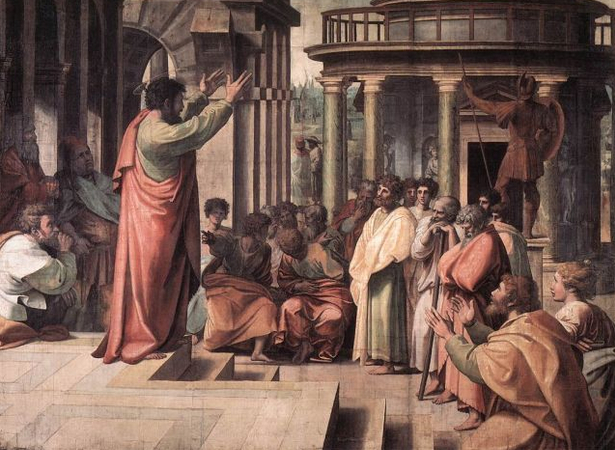
Paul Didn’t Build Bridges to Popular Culture by Russell D. Moore
27.3—May/June 2014
Religious Freedom & Why It Matters
Working in the Spirit of John Leland by Robert P. George

31.6—November/December 2018
on the Church's Response to the Anti-marriage Tide by Diane Woerner
calling all readers
Please Donate
"There are magazines worth reading but few worth saving . . . Touchstone is just such a magazine."
—Alice von Hildebrand
"Here we do not concede one square millimeter of territory to falsehood, folly, contemporary sentimentality, or fashion. We speak the truth, and let God be our judge. . . . Touchstone is the one committedly Christian conservative journal."
—Anthony Esolen, Touchstone senior editor
