





Nathan’s Messianic Prophecy
In spite of the fact that he appears in only three scenes in Holy Scripture, it would be hard to overestimate the importance of the prophet Nathan in biblical history, for it was through Nathan that God revealed his special covenant with David’s royal family.
In this respect Nathan’s role in the unfolding of biblical revelation is analogous to that of the prophet Moses. Just as Israel was aware of its covenantal relationship to God only through the prophetic mediation of Moses, so the house of David knew of its more particular covenantal relationship to God only through the prophetic mediation of Nathan. The latter is thus at the root of that whole dimension of the biblical theology that goes by the name “messianic.”
In this respect it is useful to contrast Nathan with the prophet Samuel, who regarded Israel’s establishment of the kingship as, at root, an act of infidelity. For Samuel, the monarchy, if it was a necessary evil, was still an evil. The last of Israel’s pre-monarchical Judges, Samuel foresaw the many misfortunes that would enter Israel’s history through its kings, and he warned the people of the abuses that they would suffer from the institution of royalty (1 Samuel 8). Finally obliged by a special revelation to accept the royal institution (8:22), he did so reluctantly, suggesting his reservations even at the coronation of King Saul.
THIS ARTICLE ONLY AVAILABLE TO SUBSCRIBERS.
FOR QUICK ACCESS:
Patrick Henry Reardon is pastor emeritus of All Saints Antiochian Orthodox Church in Chicago, Illinois, and the author of numerous books, including, most recently, Out of Step with God: Orthodox Christian Reflections on the Book of Numbers (Ancient Faith Publishing, 2019).
A Journal of Mere Christianity—Delivered to Your Door
- Essays on theology, culture, and the Church
- Contributors from across the Christian traditions

Six print issues (one year) of Touchstone, plus full online access and PDF downloads for only $39.95.

Get a one-year full-access subscription to the Touchstone online archives for only $19.95.
bulk subscriptions
Order Touchstone subscriptions in bulk and save $10 per sub! Each subscription includes 6 issues of Touchstone plus full online access to touchstonemag.com—including archives, videos, and pdf downloads of recent issues for only $29.95 each! Great for churches or study groups.
Transactions will be processed on a secure server.
more from the online archives
35.6—Nov/Dec 2022
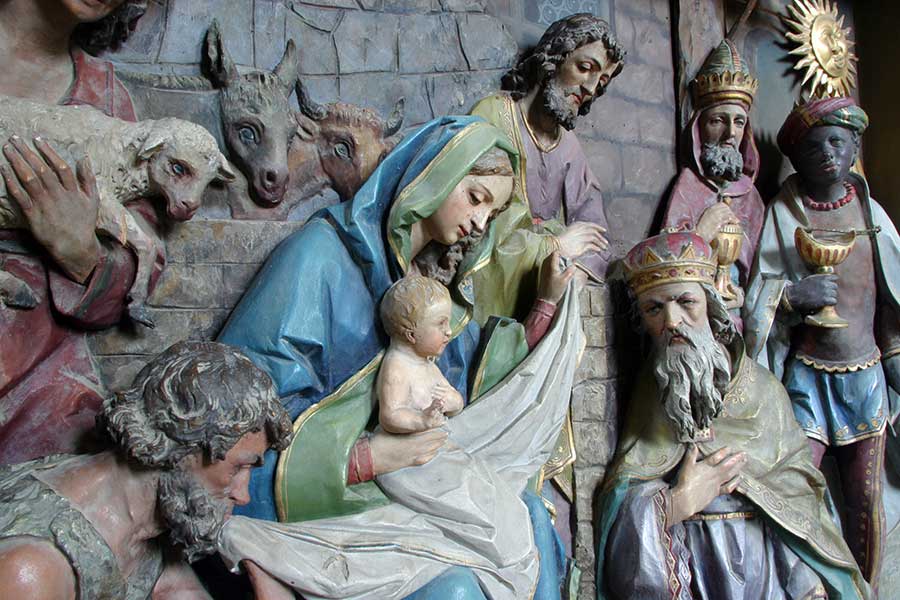
on the Divine Promise Fulfilled by the Child of Bethlehem by James M. Kushiner
20.6—July/August 2007
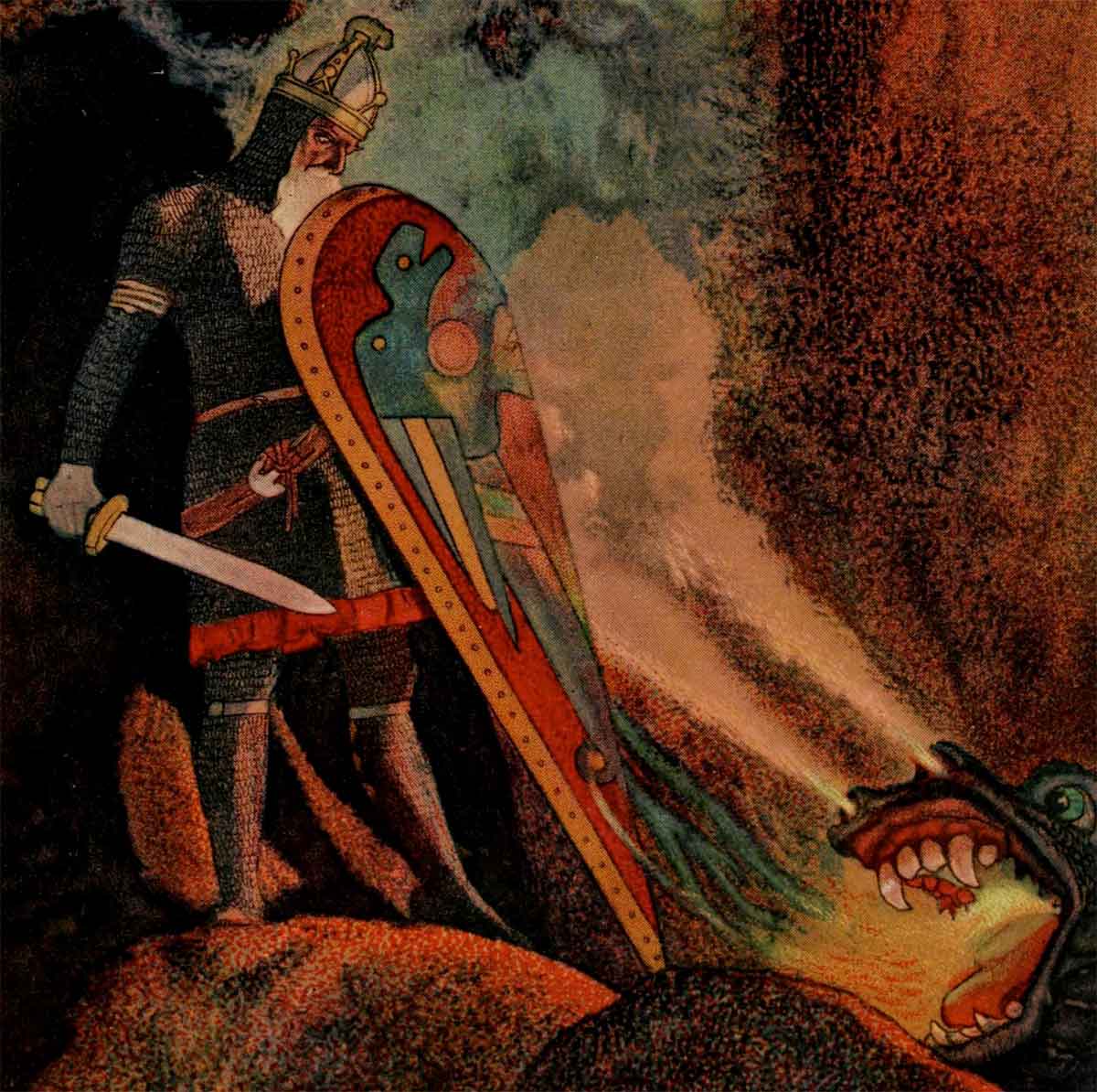
The Beowulf Poet Was a Shrewd Christian Apologist by Douglas Wilson

33.1—January/February 2020
Speaking Truth About the Sexes Is Not Optional by Anthony Esolen
calling all readers
Please Donate
"There are magazines worth reading but few worth saving . . . Touchstone is just such a magazine."
—Alice von Hildebrand
"Here we do not concede one square millimeter of territory to falsehood, folly, contemporary sentimentality, or fashion. We speak the truth, and let God be our judge. . . . Touchstone is the one committedly Christian conservative journal."
—Anthony Esolen, Touchstone senior editor
