





Indigenous Chic
Christianity & the Cult of Indigenous People
by Mark Tooley
Talk of “indigenous people” is all the rage in both academia and liberal church circles. The current fashion dates back at least to the radicalism of the 1960s, which saw Western civilization as an oppressive imposition upon the indigenous peoples of Africa, Asia, and the Americas. These, it was believed, were steadfast in resisting the alleged Western evils of capitalism, consumerism, rationalism, environmental degradation, social hierarchy, and Christianity.
THIS ARTICLE ONLY AVAILABLE TO SUBSCRIBERS.
FOR QUICK ACCESS:
Mark Tooley directs the United Methodist committee of the Institute on Religion and Democracy (www.ird-renew.org) in Washington, D.C.
A Journal of Mere Christianity—Delivered to Your Door
- Essays on theology, culture, and the Church
- Contributors from across the Christian traditions

Six print issues (one year) of Touchstone, plus full online access and PDF downloads for only $39.95.

Get a one-year full-access subscription to the Touchstone online archives for only $19.95.
bulk subscriptions
Order Touchstone subscriptions in bulk and save $10 per sub! Each subscription includes 6 issues of Touchstone plus full online access to touchstonemag.com—including archives, videos, and pdf downloads of recent issues for only $29.95 each! Great for churches or study groups.
Transactions will be processed on a secure server.
more on christianity from the online archives
8.4—Fall 1995
The Demise of Biblical Preaching
Distortions of the Gospel and its Recovery by Donald G. Bloesch
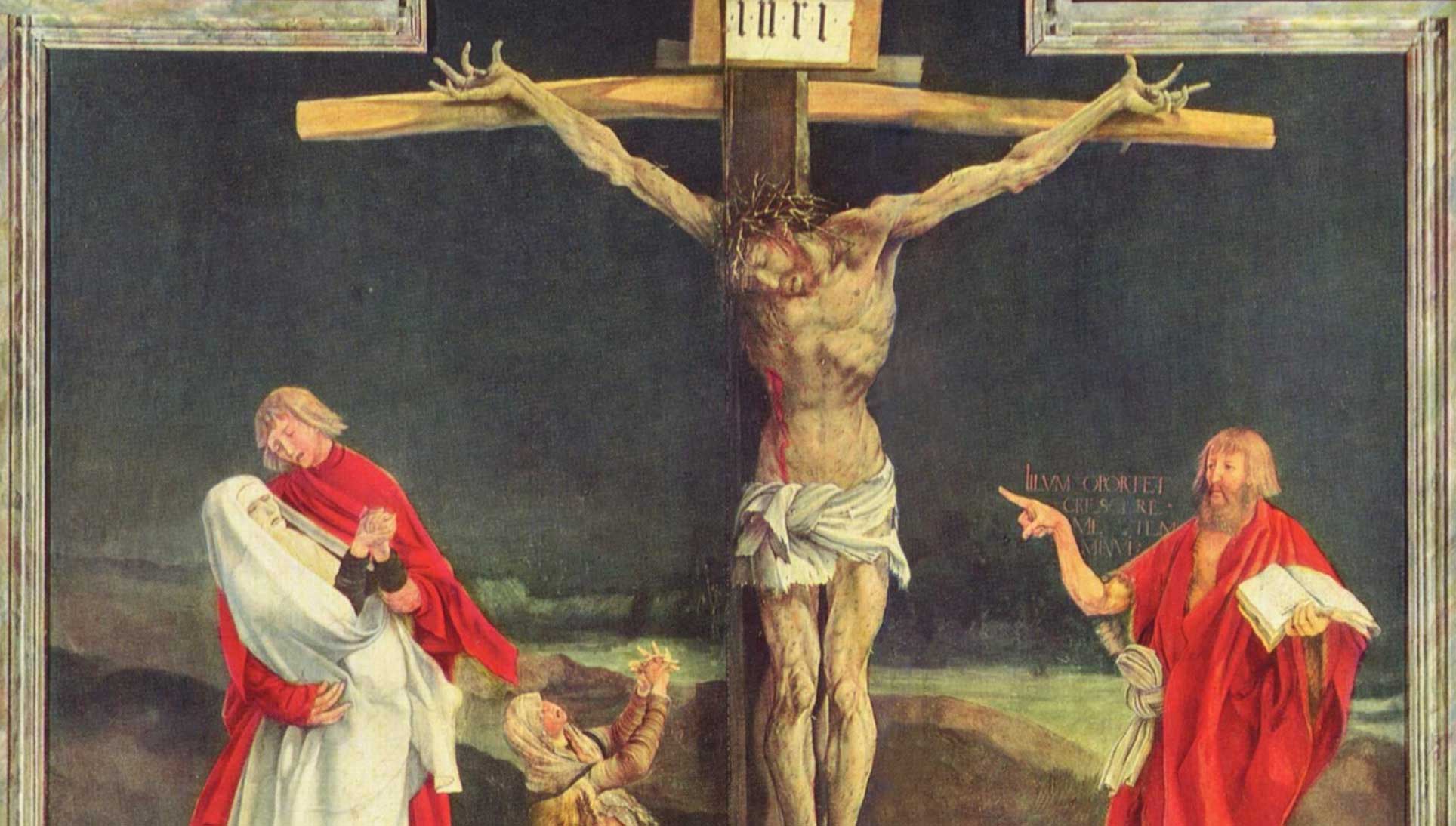
30.6—Nov/Dec 2017
on Benedict XVI on the Fairest of the Sons of Men by Michael Martin De Sapio
more from the online archives
32.2—March/April 2019
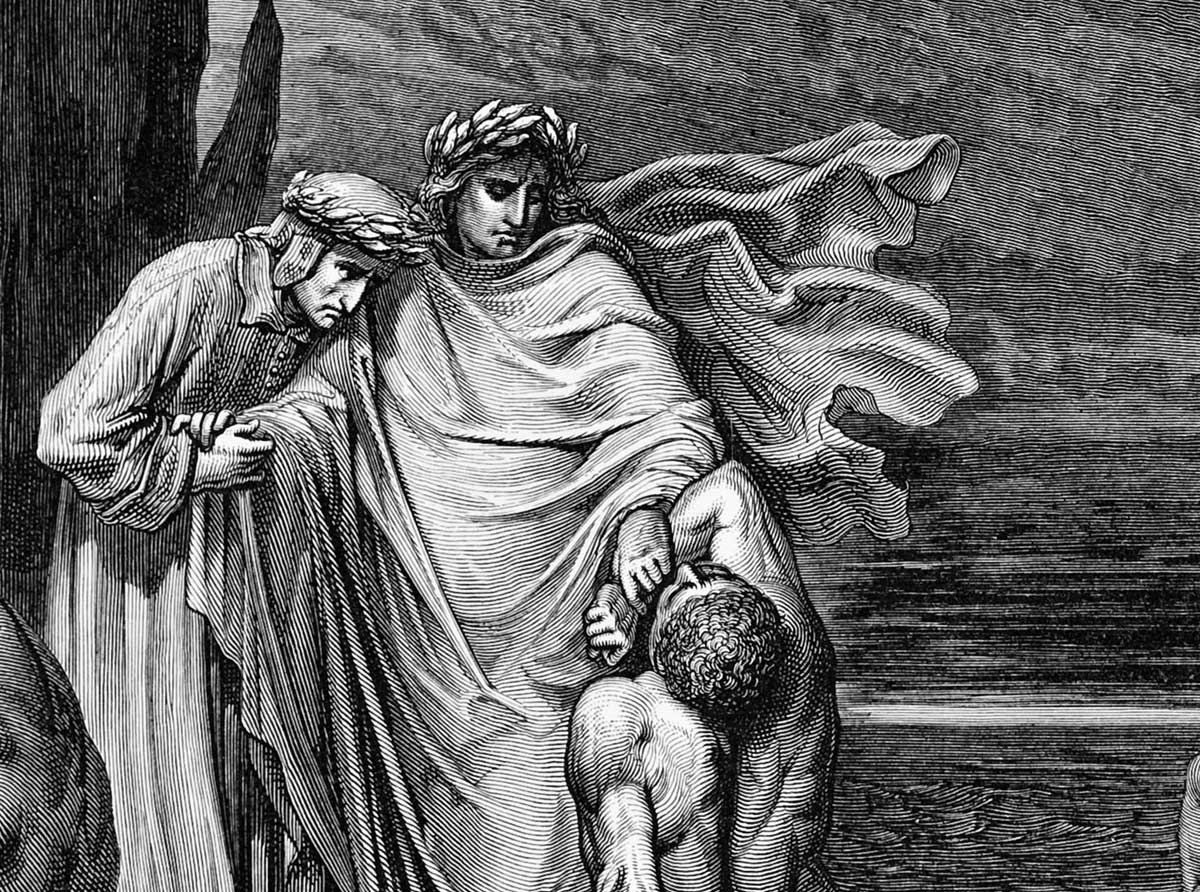
Misguided Mercy & Dante's Infernal Purgation by Joshua Hren

31.2—March/April 2018
The Transmission of Christianity Is Not a New Task by Nathanael Devlin

32.4—July/August 2019
Today's Culture Wars Are Both Ancient & Modern by Allan C. Carlson
calling all readers
Please Donate
"There are magazines worth reading but few worth saving . . . Touchstone is just such a magazine."
—Alice von Hildebrand
"Here we do not concede one square millimeter of territory to falsehood, folly, contemporary sentimentality, or fashion. We speak the truth, and let God be our judge. . . . Touchstone is the one committedly Christian conservative journal."
—Anthony Esolen, Touchstone senior editor
