






View
A Case of Win-Win
Graeme Hunter on Probability, Death & the Existence of God
There is a true story about a French widow of ninety who made an attractive real estate offer to a lawyer of forty-seven. He was to give her monthly payments of 2,500 francs (then roughly $500) until her death, in exchange for which she would bequeath to him her fashionable flat in the town of Arles. It looked like a win-win situation. The woman would be assured of a roof over her head and living expenses until death, and the lawyer would inherit a place worth far more than he would spend to acquire it. He would manage comfortably until then on his current earnings. It seemed probable that he would not have to wait long before coming into his inheritance.
Probability, however, is a fickle thing. It is probable that a woman of ninety has not long to live, but it is also probable that a woman who has already lived ninety years will keep right on living. As indeed happened in this case. Jeanne Calment lived to be the oldest person in the world, dying at 122 in 1997, outlasting André-François Raffray, the lawyer, by about one year. He paid for her upkeep to the end of his days and received nothing in return.
THIS ARTICLE ONLY AVAILABLE TO SUBSCRIBERS.
FOR QUICK ACCESS:
Graeme Hunter is a contributing editor to Touchstone and Research Professor of Philosophy at Dominican University College in Ottawa. He is the author of Radical Protestantism in Spinoza's Thought (Ashgate).
A Journal of Mere Christianity—Delivered to Your Door
- Essays on theology, culture, and the Church
- Contributors from across the Christian traditions

Six print issues (one year) of Touchstone, plus full online access and PDF downloads for only $39.95.

Get a one-year full-access subscription to the Touchstone online archives for only $19.95.
bulk subscriptions
Order Touchstone subscriptions in bulk and save $10 per sub! Each subscription includes 6 issues of Touchstone plus full online access to touchstonemag.com—including archives, videos, and pdf downloads of recent issues for only $29.95 each! Great for churches or study groups.
Transactions will be processed on a secure server.
more on Christianity from the online archives

30.3—May/June 2017
Insider Attempts to Disorient the Orthodox by Alexander F. C. Webster

27.5—Sept/Oct 2014
on Growing Vegetables as a Primer in Moral Philosophy by Rachel Lu
18.10—December 2005
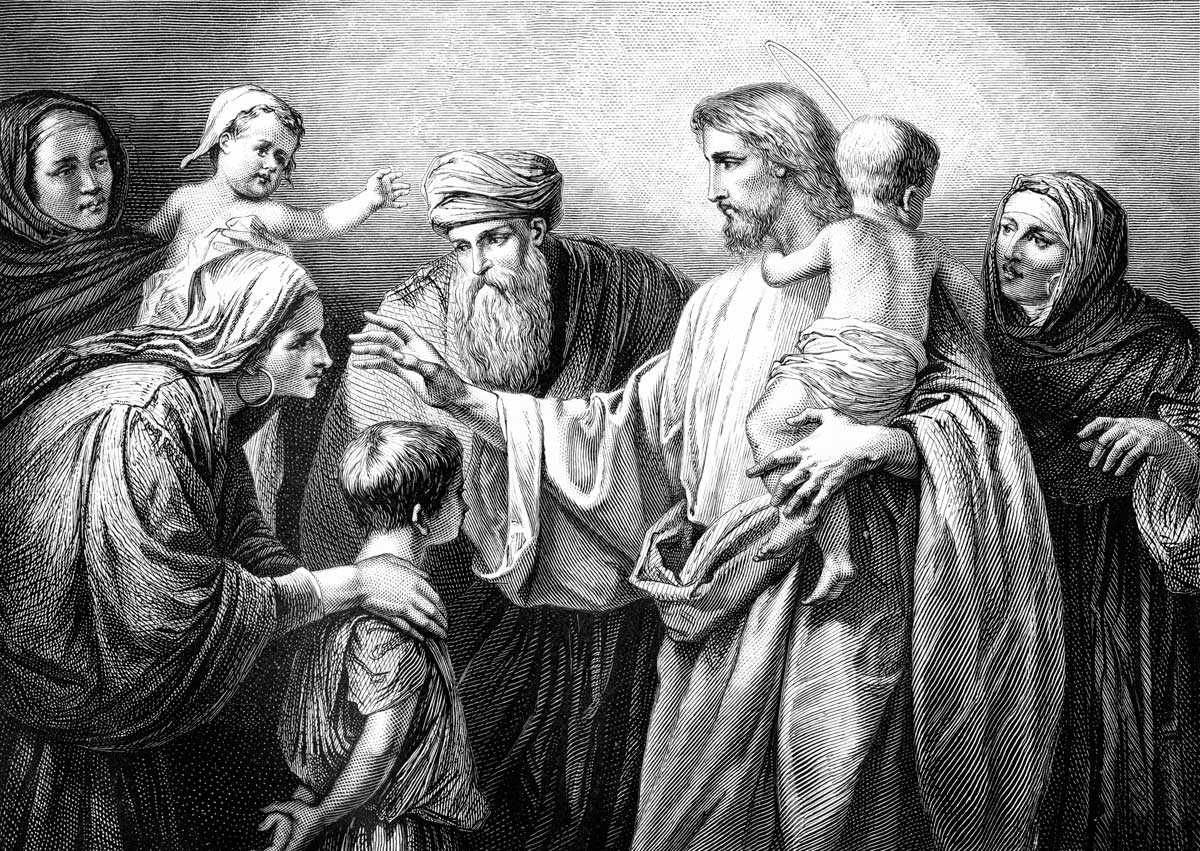
on an Apostle’s Encounter with the Son’s Children by Anthony Esolen
more from the online archives

28.5—Sept/Oct 2015
Remembering Angka & the Idolatry of the Khmer Rouge 40 Years Later by Les Sillars
29.3—May/June 2016
A Deathbed Reflection on Catholic Social Teaching & Our Future Prospects by Karl D. Stephan
32.5—September/October 2019
on the Inhuman Transformation of Transgenderism by Anthony Esolen
calling all readers
Please Donate
"There are magazines worth reading but few worth saving . . . Touchstone is just such a magazine."
—Alice von Hildebrand
"Here we do not concede one square millimeter of territory to falsehood, folly, contemporary sentimentality, or fashion. We speak the truth, and let God be our judge. . . . Touchstone is the one committedly Christian conservative journal."
—Anthony Esolen, Touchstone senior editor
