





Novel Bioethics
Claire Barshied on How a Book Taught Her to Reimagine Sex
It is a good bet that many Americans view bioethics as the exclusive province of academic specialists with prestigious degrees in philosophy, law, cell biology, embryology, and similar fields. Their esoteric debates over stem-cell harvesting methods and clinical trial review procedures seem removed from the real-world experiences of most people. Until recently, they certainly seemed that way to me. What few bioethical opinions I had—opposing cloning and abortion, for instance—were unconnected to choices I expected to face.
Then I read Being Human, a 600-page anthology of literature released by the President’s Council on Bioethics. What guidance could stories and poems offer on cloning and stem-cell research? In the book’s introduction, the council’s chairman, Leon Kass, explained that bioethics as currently conceived by professional bioethicists is much too narrow. It emphasizes what is technologically feasible, securing patient consent, ensuring access to care regardless of income, and so on, but ignores “the full range of human goods that we should be trying to promote or protect.”
Guarding that fuller range of goods requires a better grasp of what it means to be human and what good things humans prize. Our best sources on these questions are not scientists, but the writers and thinkers of the aptly named humanities. They are not everything, of course—who would entrust national science policy to John Updike and Joyce Carol Oates?—but perhaps they can point the way to deeper understandings of our nature.
Being Human’s editors hope that reading great literature can make bioethical arguments accessible. Stories embody the consequences of our choices, the tension between our aspirations and imperfections, what it means to love unconditionally, how we face sickness, loss, and death. And subjects such as these—“matters close to the core of our humanity,” as Kass puts it—can be profoundly changed by new technologies.
A book that illustrates these universal aspects of the human experience and that poses questions about their vulnerability should prompt us to think carefully about society’s embrace of biotechnologies. Such a book could even challenge us to examine more closely our own moral values and inclinations.
Our Common Nature
As I have been reading, thinking, and scribbling about Being Human for the past few months, I have been surprised to find some of my long-held assumptions being transformed. I have begun to see more deeply the importance of human design: In body, mind, and spirit, we seem to have some kind of common nature that defines and delimits us. When characters violate that design, they and others inevitably suffer.
Being Human excerpts the screenplay for Gattaca, a futuristic movie about a society in which ambitious parents can use in-vitro fertilization (IVF) technology to select the embryo with the best genes—the one without any diseases or “potentially prejudicial conditions” such as premature baldness, myopia, or tendencies to addiction, violence, or obesity. Children of the right sex, the right hair color, and the right predilections to music and mathematics can be ordered, and their genetic resumés open doors to education, careers, and marriage: After all, they are measurably more likely to succeed. For those conceived “naturally” the reverse is true; their less reliable genes close doors.
Science fiction? If only. Modern medicine is constantly refining its means of prenatal genetic testing. These tests are mainly used to determine whether the unborn child has any abnormalities, and as the Washington Post noted, “The majority of women who discover a serious disorder will terminate the pregnancy.”
Claire Barshied is a freelance writer in New York City. After receiving a degree in English and American Studies from Princeton University, she worked as a research assistant at the Heritage Foundation (www.heritage.org) in Washington, D.C. She and her husband currently attend Redeemer Presbyterian Church.
A Journal of Mere Christianity—Delivered to Your Door
- Essays on theology, culture, and the Church
- Contributors from across the Christian traditions

Six print issues (one year) of Touchstone, plus full online access and PDF downloads for only $39.95.

Get a one-year full-access subscription to the Touchstone online archives for only $19.95.
bulk subscriptions
Order Touchstone subscriptions in bulk and save $10 per sub! Each subscription includes 6 issues of Touchstone plus full online access to touchstonemag.com—including archives, videos, and pdf downloads of recent issues for only $29.95 each! Great for churches or study groups.
Transactions will be processed on a secure server.
more on sex from the online archives
31.6—November/December 2018
on the Church's Response to the Anti-marriage Tide by Diane Woerner
33.1—January/February 2020
Speaking Truth About the Sexes Is Not Optional by Anthony Esolen
28.3—May/June 2015
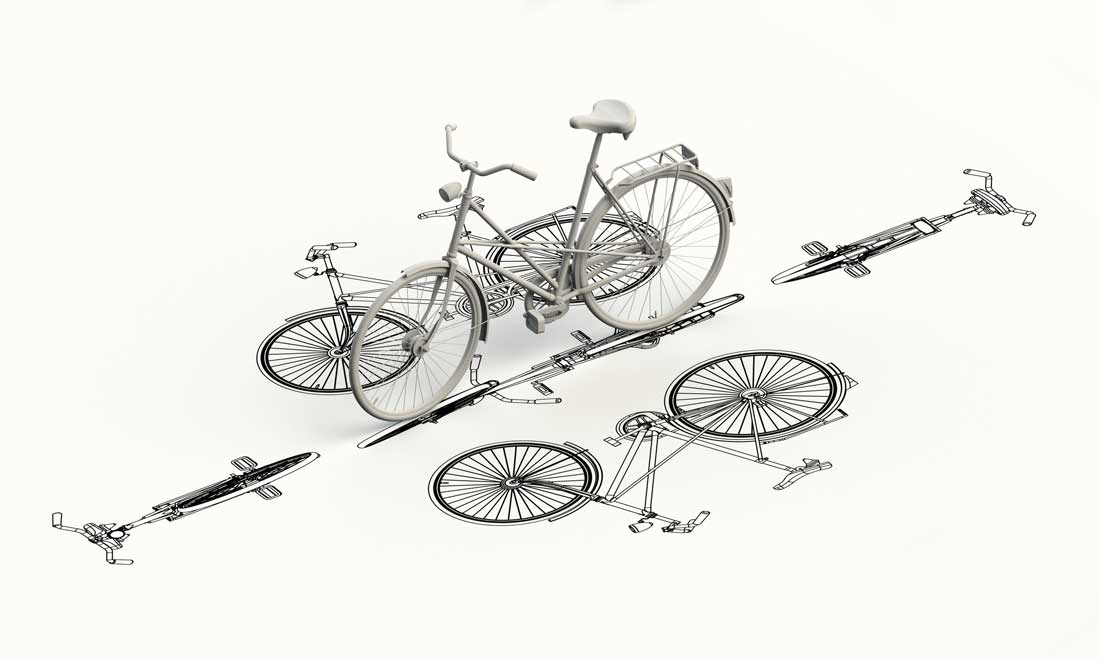
Of Bicycles, Sex, & Natural Law
Describing Human Ends & Our Limitations Is Neither Futile Nor Unloving by R. V. Young
more from the online archives
26.5—Sept/Oct 2013
The Perils of Pragmatism in Christian Attitudes Toward the Liberal Arts by Robin Phillips
21.6—July/August 2008
Benedict XVI on the Crisis of Faith & Reason by Samuel Gregg
calling all readers
Please Donate
"There are magazines worth reading but few worth saving . . . Touchstone is just such a magazine."
—Alice von Hildebrand
"Here we do not concede one square millimeter of territory to falsehood, folly, contemporary sentimentality, or fashion. We speak the truth, and let God be our judge. . . . Touchstone is the one committedly Christian conservative journal."
—Anthony Esolen, Touchstone senior editor
