




Fafner & Fasolt in the Church
Something that should bother Christians very much is hidden retraction in church teaching. This means that in confessional material generated by those in authority in a given church, one will see evidence that beliefs no longer held are not being recognized as having passed out of existence. This is a variety of misrepresentation, and it comes about when a church’s belief has gradually been abandoned, but there is no admission of it by those who speak for that church. No one states specifically that there has been a change of mind, an abandonment of things once believed as true and as markers of church identity. Nor is there repentance for having divided the churches along sectarian lines—for having erected yet another partition in the Christian house.
A change or abandonment may happen when biblical teaching, over the course of generations, reasserts itself in places where the Scriptures are regarded as the standard of belief, and sectarian distinctives, in response, begin to fade—for example, in the gradual abandonment of doctrinaire teetotalism among Evangelicals. Another example of hidden retraction would be in churches that were founded on an egalitarian basis and, while having ordained female clergy, have over time become led almost exclusively by men, such as the Assemblies of God and the Foursquare Church of Aimee Semple McPherson.
I am speaking here of a belief just winking out of confessional discourse when the elusive Snark of clarity is at length apprehended. Old teachings become as though they never were, or are not matters of present concern, though the traces of their influence remain in and between the churches in the indelible intuitions and institutions of its history, including traditional enmities.
In what modern Reformed symbol, for example, even among churches claiming allegiance to the Westminster Confession, does one still find this attack on the pope from the 1647 original: “nor can the Pope of Rome, in any sense, be head [of the Church], but is that Antichrist, that man of sin and son of perdition, that exalteth himself in the Church against Christ, and all that is called God”? This conviction has disappeared from the confession of all but the most anti-Catholic minority of Presbyterians. What is the status of this founding article among the majority of those who claim to adhere to the Confession? Can modern clerical scribes simply make this go away without an appropriate burial?
When you believe a man to be a liar and you publicly say it to his face, if you then change your mind about him, is the offense expunged if you simply resolve not to mention it? Whereas, with the admission of past errors, the air might be cleared and peace restored, hidden retraction ensures that the old error and the divisions it caused will remain alive just below the surface of group consciousness, and this makes truthful people unable to join the communion.
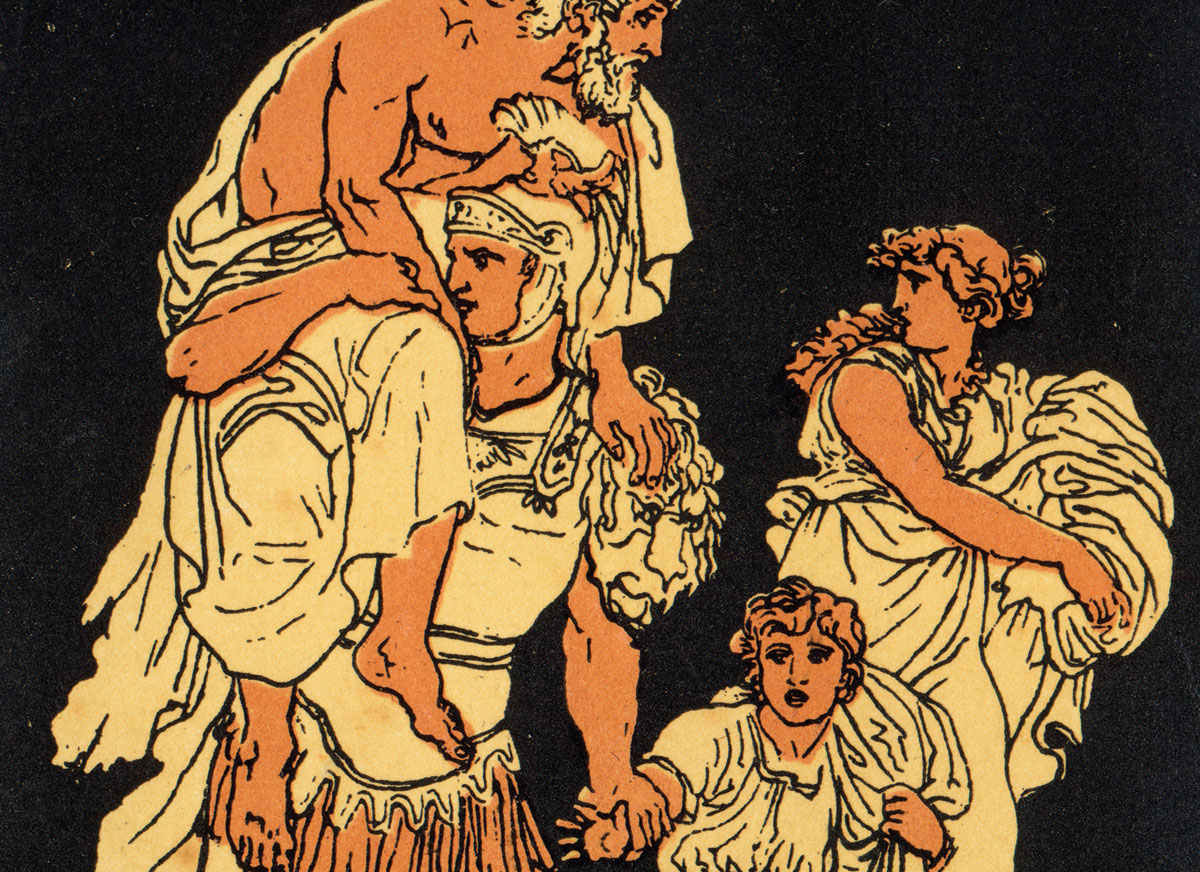
This transgression is genetically related (like Wagner’s Ring giants Fafner and Fasolt) to the equally odious phenomenon of false confession of beliefs or actions that were not errors. This is common among liberals like Pope Francis, who are anxious to curry favor with anti-Christians by confessing as sins things that conservatives of their own churches still believe, such as the condemnation of religions like Islam as anti-Christ. This sort of placatory false penitence is worthy of the most liberal of Protestants, who are likewise anxious to give away the family store in the name of unity and happy relations where neither exist.
Loosing the Defiling Hold
The times dictate which evil—hidden retraction or false penitence—is appropriate for the unfaithful witness, but both are insidious temptations to lie, which the faithful, whose yea is yea and nay is nay, are to resist. Slaying the idols of the tribe by identifying hidden retractions where a belief has actually been (often happily) abandoned is as dangerous to the bodies of Christian pastors as making friends with evil is to their souls—but, as the rector of a friend’s seminary told his graduating class, “Men, when you are ordained, you are nailed to the cross.”
The manifold impurities of the churches in this age will not lose their defiling hold upon Christendom until evils of this kind are buried with the martyred bodies of those who have the faith and courage to speak against them. Truth is the pearl of great price, a rare and precious thing, which a man who finds and knows its value will sell all he has to obtain.
S. M. Hutchens is a senior editor and longtime writer for Touchstone.
A Journal of Mere Christianity—Delivered to Your Door
- Essays on theology, culture, and the Church
- Contributors from across the Christian traditions

Six print issues (one year) of Touchstone, plus full online access and PDF downloads for only $39.95.

Get a one-year full-access subscription to the Touchstone online archives for only $19.95.
bulk subscriptions
Order Touchstone subscriptions in bulk and save $10 per sub! Each subscription includes 6 issues of Touchstone plus full online access to touchstonemag.com—including archives, videos, and pdf downloads of recent issues for only $29.95 each! Great for churches or study groups.
Transactions will be processed on a secure server.
more on Ecumenism from the online archives

31.4—July/August 2018
Labels & the Ecumenism of Discipleship by James M. Kushiner
more from the online archives

32.5—September/October 2019
Some Trivial Thoughts on the Study of Philosophy by Graeme Hunter
calling all readers
Please Donate
"There are magazines worth reading but few worth saving . . . Touchstone is just such a magazine."
—Alice von Hildebrand
"Here we do not concede one square millimeter of territory to falsehood, folly, contemporary sentimentality, or fashion. We speak the truth, and let God be our judge. . . . Touchstone is the one committedly Christian conservative journal."
—Anthony Esolen, Touchstone senior editor
