




Giovanni Bellini’s Saint Francis in the Desert
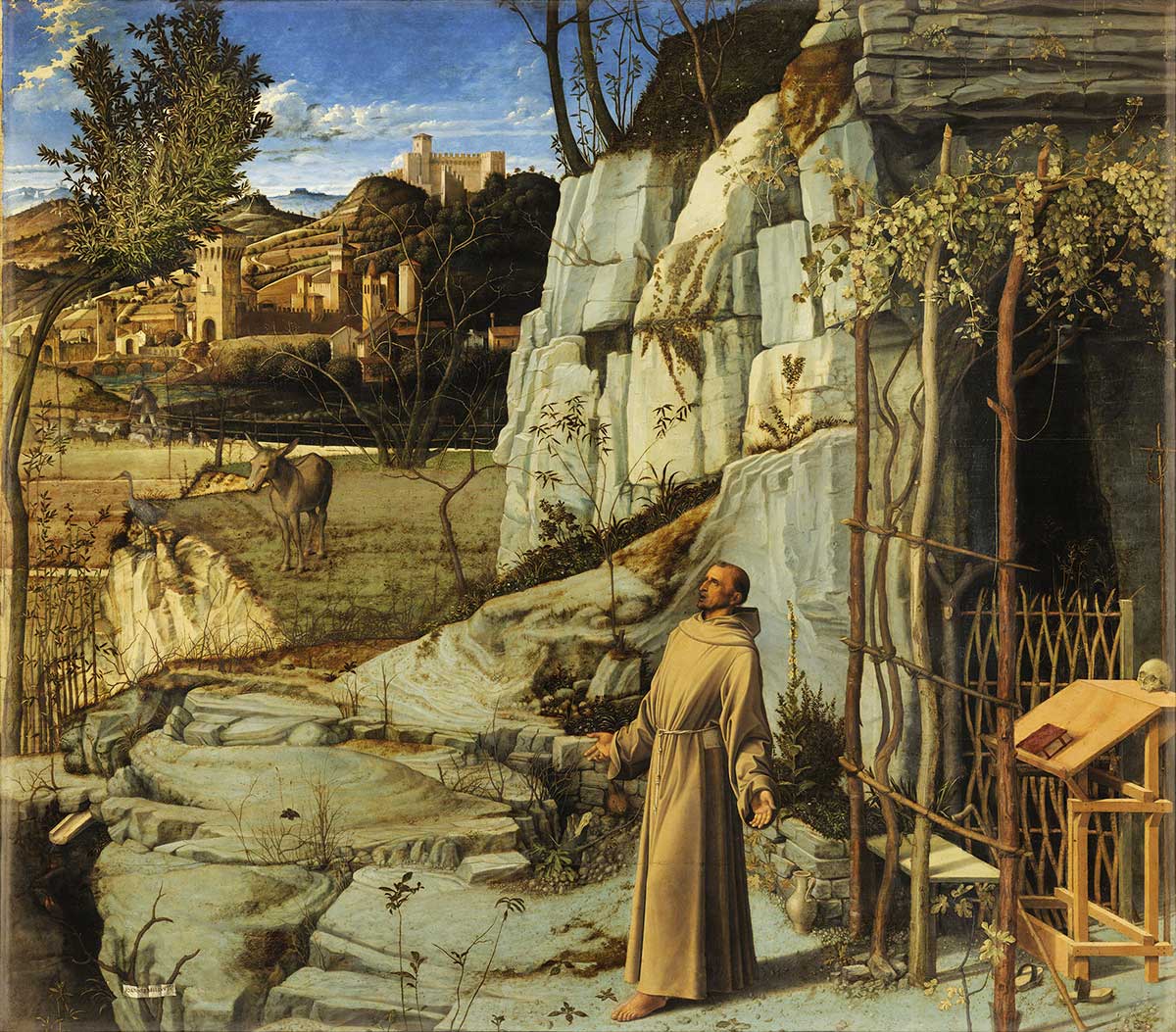
A treasure of the Frick Collection is Giovanni Bellini’s Saint Francis. It measures roughly four feet square and depicts the saint alone in a rocky landscape. The work was long thought to represent Saint Francis receiving the stigmata, but recent cleaning and technical examinations have refocused scholarly attention on the painting, with the result that it has been given the more neutral title, Saint Francis in the Desert. Bellini (1430–1516), a master of the early Venetian Renaissance, was a learned and accomplished painter with close ties to the Franciscans in Venice and its surroundings.
Bellini was also technically proficient. In this painting he uses a mix of hard-edged, linear tempera for clarity and an overlay of oil glazing, recently invented by the Flemish painters, which infuses the painting with a golden atmospheric glow. Along with the oil technique, Bellini also adopted the Flemish painters’ meticulous rendering of natural objects—plants, animals, household goods—with an underlying resonance of implied symbolism. The picture is teeming with details, none of them accidental. How are we to make coherent sense of them all and read the painting as the artist intended?
Gazing into the Light
We can start with the main focus of the painting, the figure of the saint himself: he stands alone under a dynamic sky in an attitude of prayer or perhaps astonishment, hands outstretched and mouth agape. At the lower right is his hermit’s cell. It recalls the one frequently occupied by St. Jerome, whose likeness Bellini painted many times. Like St. Jerome, St. Francis preached an ascetic life of poverty, humility, and prayer, symbolized by the desk, book, skull, thorny crown, and simple cross. It is not a sterile life; over the cell grows a grapevine with its eucharistic connotations, and the willow fence has begun to sprout green leaves. But the reference to St. Jerome, translator of the Scriptures, suggests that we look also for biblical references as a framework for the image.
St. Francis was known for his close identification with the person of Christ. He was the first to receive the stigmata, the marks of Christ’s bleeding wounds, in his own body. In a visionary moment on Mount Alverna, Christ crucified appeared to him as a winged seraph, and, according to his companion, Brother Leo, at some time thereafter the wounds began to appear. In this picture, the stigmata are already visible, and the apparition is not shown (although, it can be argued, the top of the panel has been cut down). Instead, here Francis appears to be simply gazing into the light.
And what a light it is. It is early, almost pre-dawn, and the light is not yet striking the chilly bluish surface of the rocky escarpment (it looks even chillier when viewed by candlelight, as it would have been). The light falls directly on Francis, warming and illuminating him and gilding the landscape and the city in the background. Indeed, the light enters from the left with sufficient force to bend the little tree at the left while turning its leaves to a burning gold. Below, a shepherd gazes upward at it in amazement, like Moses gazing at the burning bush.
Transformed by Grace
This is not a coincidence; when we look closely, we find the picture to be full of references to Moses. Like Moses, Francis has removed his sandals, for he is standing on holy ground. Beneath his feet, water springs from the rock in the desert. Under Francis’s right hand, a tiny rabbit huddles in a burrow hewn from the rock. Jerome, when commenting upon Moses hiding his face from the glory of God, compares him to a piculus, a little rabbit in a cleft. Nor is Moses alone here: at St. Francis’s left is an oil jug, a reference to the ever-filled pitcher with which Elijah fed the widow and her son.
If this is so, Francis stands on holy ground, with Moses and Elijah to his right and left, his own face transfigured by the rush of golden light. Here, then, in the lonely place on the mountain, Francis becomes as one with the Christ of the Transfiguration, and finds himself transformed by grace, by the presence of God in the uncreated Light.
Seen under this aspect, many of the further details begin to fall into place. The heron in the middle distance, clad in sober Franciscan gray, is the “pelican in the wilderness” of Psalm 102, symbol both of charity and of the solitary desert place. So too the donkey, unencumbered by any harness or halter: he is the wild onager of Job, set in the wilderness by the Lord. But this is not a sterile place either. The first grass of spring is sprouting up, and many identifiable plants—healing and medicinal mullein, chaste juniper, sweet-smelling orris, and the morning glory of the Resurrection—all bloom here. Creation is filled with sunlight and goodness.
With that in mind, it has been conjectured that Francis may be singing his Canticle of the Sun, rejoicing in the whole created order. Or, perhaps he is singing his Praises, the only surviving autograph work we have from Francis’s hand. A piece of parchment suspiciously like that document is tucked under Francis’s belt.
Mary Elizabeth Podles is the retired curator of Renaissance and Baroque art at the Walters Art Museum in Baltimore, Maryland. She is the author of A Thousand Words: Reflections on Art and Christianity (St. James Press, 2023). She and her husband Leon, a Touchstone senior editor, have six children and live in Baltimore, Maryland. She is a contributing editor for Touchstone.
A Journal of Mere Christianity—Delivered to Your Door
- Essays on theology, culture, and the Church
- Contributors from across the Christian traditions

Six print issues (one year) of Touchstone, plus full online access and PDF downloads for only $39.95.

Get a one-year full-access subscription to the Touchstone online archives for only $19.95.
bulk subscriptions
Order Touchstone subscriptions in bulk and save $10 per sub! Each subscription includes 6 issues of Touchstone plus full online access to touchstonemag.com—including archives, videos, and pdf downloads of recent issues for only $29.95 each! Great for churches or study groups.
Transactions will be processed on a secure server.
more on art from the online archives
32.4—July/August 2019
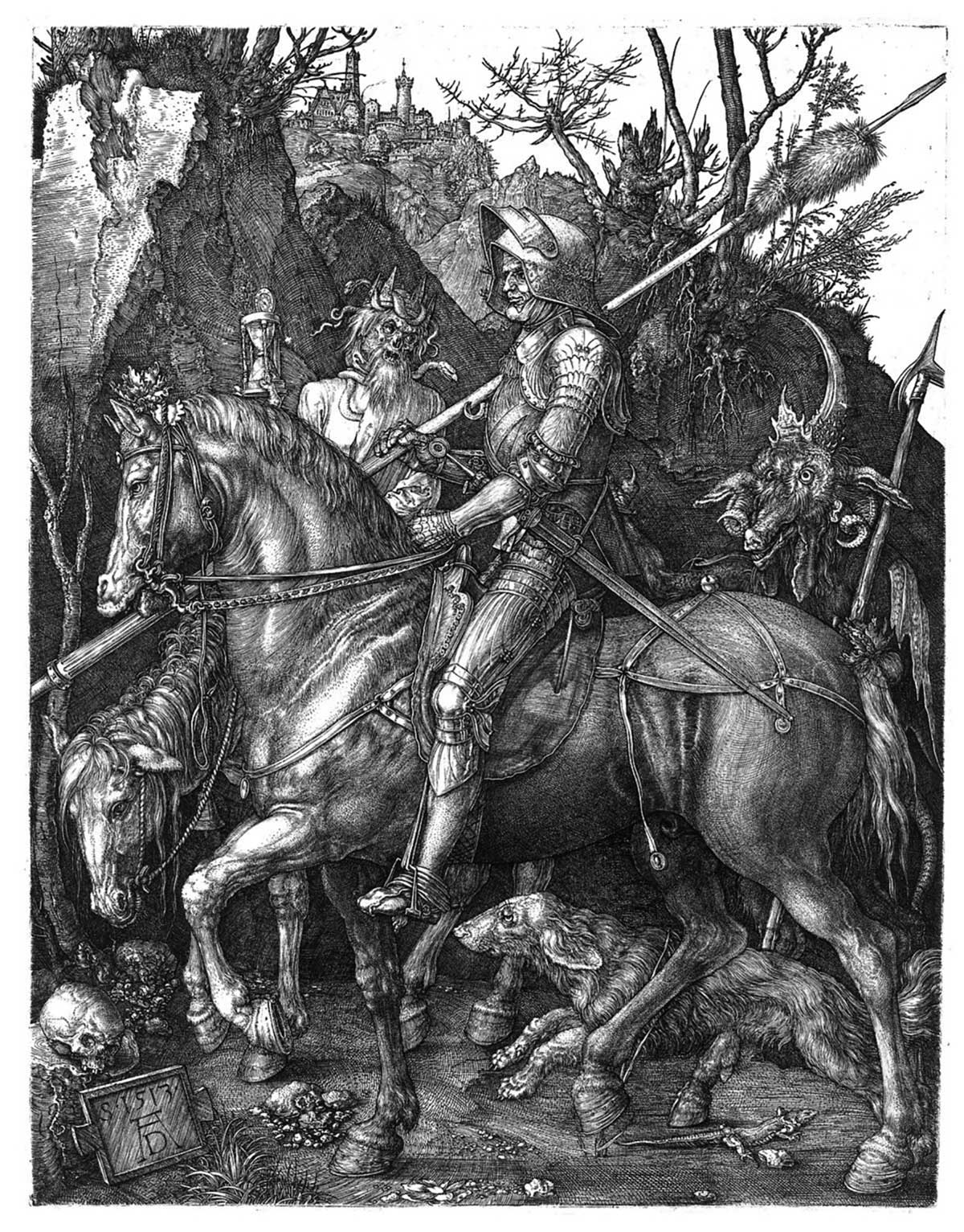
on Single-Mindedness in Durer's Ritter, Tod, und Teufel by Anthony Costello
33.2—March/April 2020
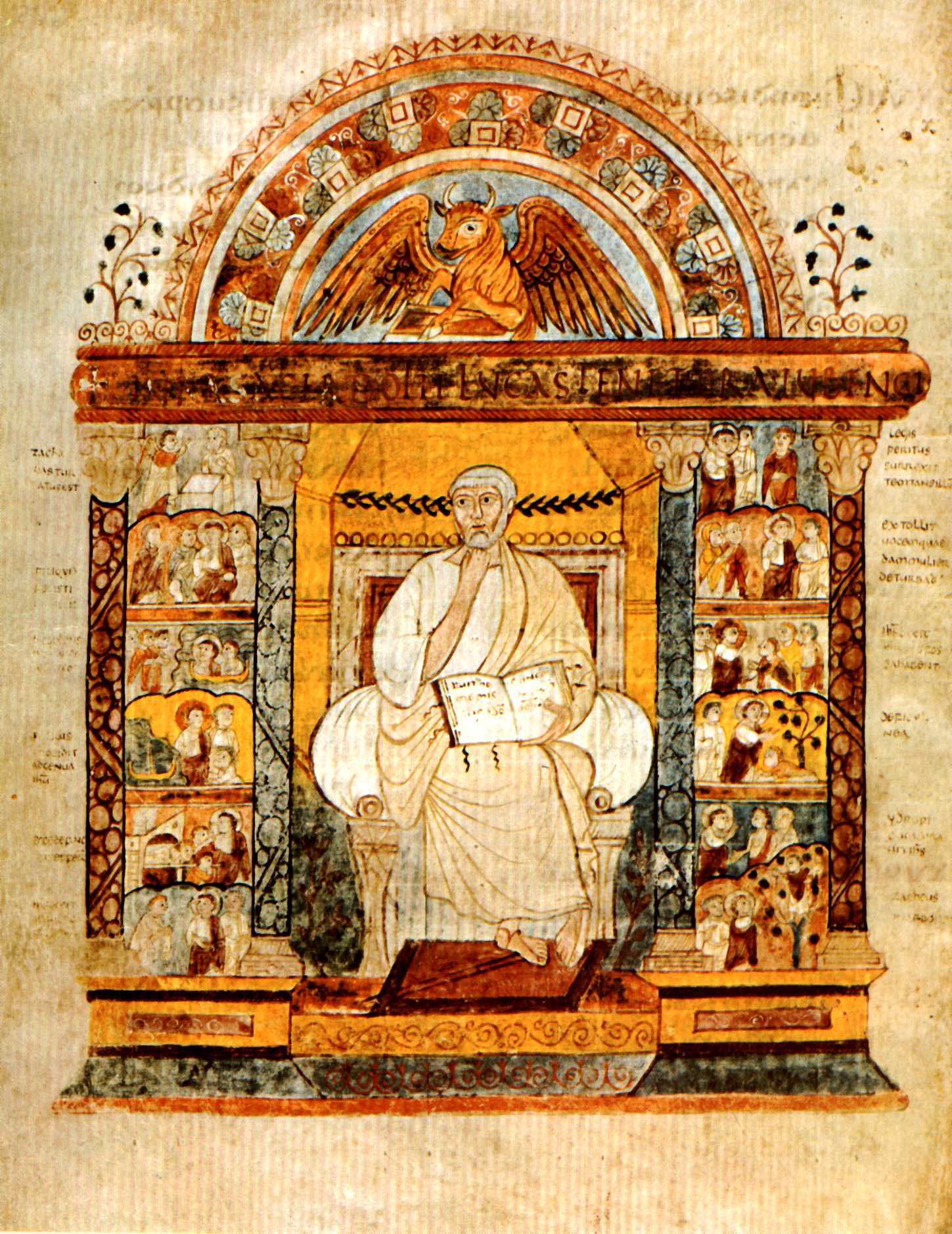
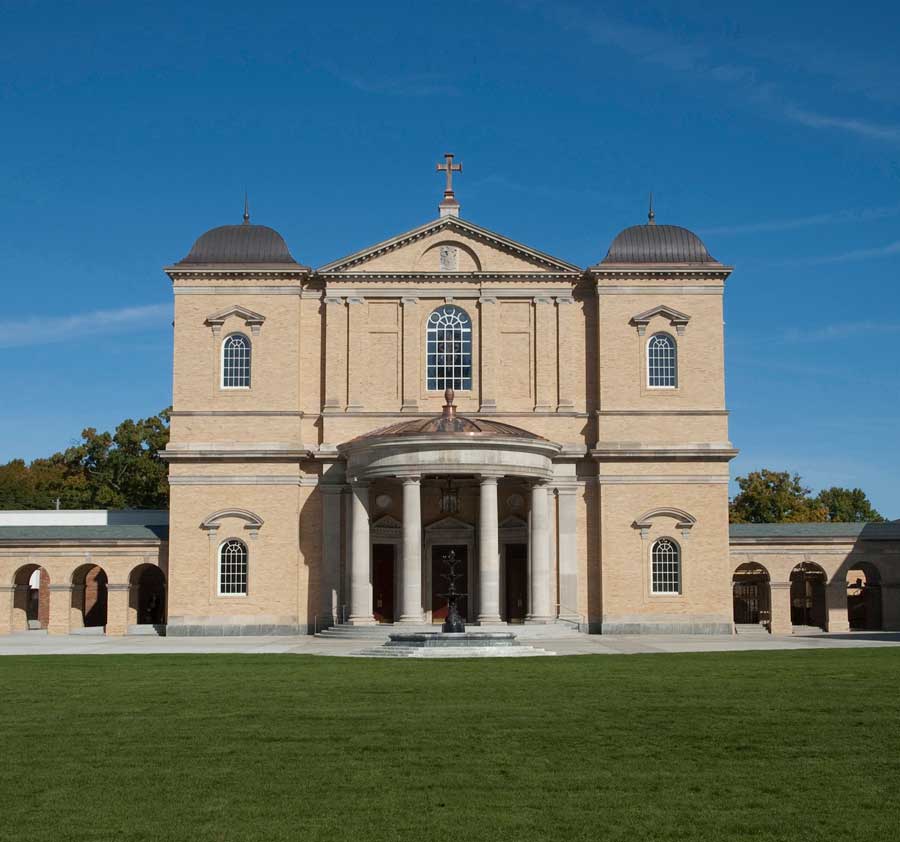
An Architectural Sign of Mere Christianity by Michael Ward
more from the online archives

30.6—Nov/Dec 2017
on C. S. Lewis, Brideshead Revisited & the Middle Things by Ben Reinhard
23.6—November/December 2010
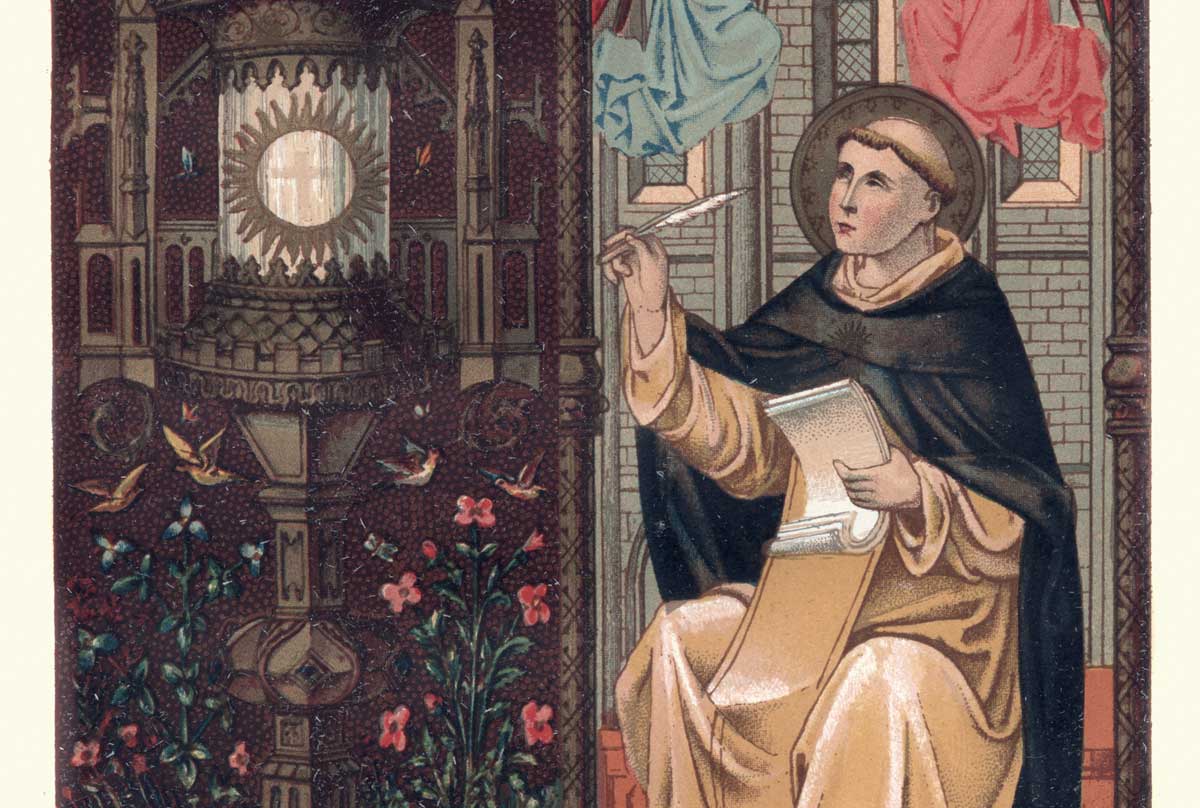
Darwin, Design & Thomas Aquinas
The Mythical Conflict Between Thomism & Intelligent Design by Logan Paul Gage
30.3—May/June 2017
C. S. Lewis Assesses the Religion of Mohammed by Jacob Fareed Imam
calling all readers
Please Donate
"There are magazines worth reading but few worth saving . . . Touchstone is just such a magazine."
—Alice von Hildebrand
"Here we do not concede one square millimeter of territory to falsehood, folly, contemporary sentimentality, or fashion. We speak the truth, and let God be our judge. . . . Touchstone is the one committedly Christian conservative journal."
—Anthony Esolen, Touchstone senior editor
