




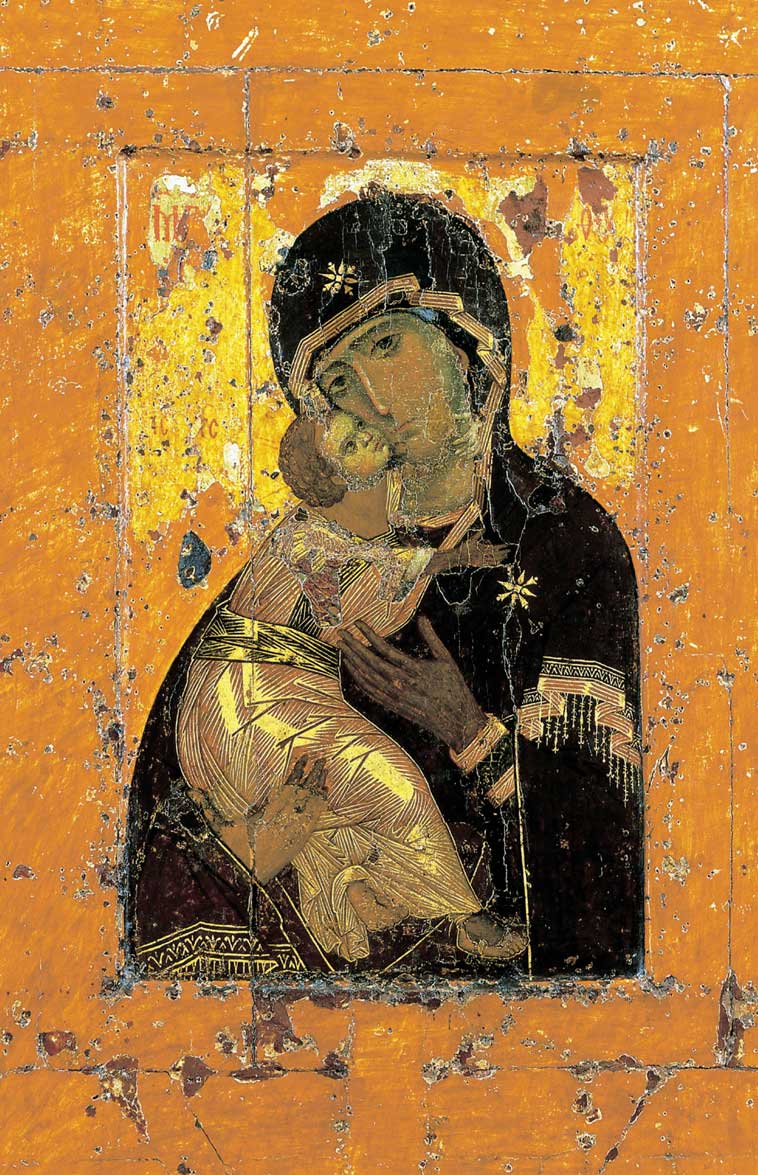

The Virgin of Vladimir
The Theotokos of Vladimir is among the best-known of all icons, partly for its quality and partly for its history. It is of the type called the Theotokos Eleousa, the Mother of God of Tender Mercy, from the same root word as the Kyrie Eleison we intone in the litany. In contrast to the more regal Hodegetria (She Who Points the Way) model, here the Virgin holds her child in a tender embrace while he presses his cheek against hers. According to tradition, this pose echoes a prototype painted by St. Luke from life, and was therefore sanctioned as a true and holy image. Because of its theme of maternal compassion, this particular icon was invoked in times of peril throughout its history, with consequences (not all good) for itself.
Compassionate Image
In this image, the Virgin holds her child closely with her right arm, so that his contour, except for his head, is completely enclosed within her own. With her left hand, she points toward him, but also touches him gently beneath his outstretched arm. She wears the traditional dark blue garment, edged and fringed in gold like the clothing of the Byzantine court. Two gold stars adorn her head and shoulder, with a third implicitly hidden by the child. These are variously interpreted as representing the perfection of Mary’s virginity, either past, present, and future, or in body, soul, and spirit. Or they might represent the Trinity, the one star being concealed by the real presence of the Second Person. Or all of the above, simultaneously.
Mary’s face is conventionally stylized, with wide eyes, a narrow nose, and a small, serious mouth. Her eyes look outward, but not at us; instead, she gazes into an unseeable distance as she pleads perpetually for mercy. Or perhaps she is looking into the melancholy future, to her son’s redemptive suffering and death. He, meanwhile, wears the red of the Incarnation illumined by the gold of the uncreated light, and is depicted as a small adult, as befits his divine nature. Only his face and his gesture are those of a child. The naked sole of his left foot suggests his vulnerability, and his face and his mother’s are softly contoured, not starkly delineated, to emphasize the tender connection between them.
The iconographer thus focuses on Christ’s human nature and on the compassion his mother feels for him, and for all mankind. Her motherly love and sorrow are transfigured by grace; as Isaac the Syrian puts it, “From the pain of personal loss, grief becomes transformed into compassion for the universal grief, into pain caused by the very fact that suffering exists as an inalienable element of the world’s order.” Small wonder that this icon became the model for many thousands like it.
Turbulent History
The history of the Vladimir icon has been copiously documented, although the various accounts are sometimes contradictory. On stylistic grounds, the painting can be dated to twelfth-century Constantinople. The first reliable record of it is from 1131, when it was owned by the Grand Duke Yuri of Kiev. It might have been sent as a gift from one of the patriarchs or the emperor himself, probably as a part of the ongoing effort to convert the Slavic peoples. In 1155, weary of the intrigue and infighting of the Kievan court, one Prince Andrei packed up his valuables, including the icon, and removed them to his new capital in Vladimir. It was there that the Virgin of Vladimir began to manifest her protective powers: in 1164 Prince Andrei carried the icon before him into battle with the Bulgars, whom he roundly defeated. (The icon was carried on a special three-pronged holder. The holes for attachment are still visible on the bottom of the panel.)
But the icon’s protective powers could not save Andrei from assassination in 1176. The city of Vladimir then devolved into chaos and riots, which were only quelled when the icon of the Virgin was brought out in procession and the civil disorder brought to heel. In 1237, the Mongols attacked and sacked Vladimir, burning the cathedral and looting the icon’s gold cover. Both the icon and the brother of the ruling prince survived the carnage, a fact the latter attributed to the Virgin.
In 1395 the icon was sent to Moscow ahead of Tamerlane’s advancing armies. It was carried in procession amidst the prayers of the Muscovites, and on the day dedicated to supplication, Tamerlane unexpectedly died. Moscow refused to return the Virgin to Vladimir, and so, except for a brief exile during the Napoleonic Wars, in Moscow she remains. She is believed to have saved the city from destruction on other occasions. As for Vladimir, no less a personage than Andrei Rublev painted a copy of the icon for the cathedral there.
While he was painting the copy, Rublev also undertook restoration work on the panel, which had suffered. The icon had been covered with a succession of oklads, metal covers that revealed only the faces and hands of Mary and Jesus, and the baby’s feet. One oklad was looted, one was pawned by a hard-up nobleman, and one, from the seventeenth century, is shown here. By this time, illustrations of the Twelve Great Feasts had been joined onto the panel.
In any case, by the late fourteenth century, the smoke of incense, candles, and lamps, and the burning of the cathedral had infiltrated the cover, and water damage, a dark, humid environment, and mold had done their worst. Rublev removed what he could and repainted the most damaged areas.
Mary Elizabeth Podles is the retired curator of Renaissance and Baroque art at the Walters Art Museum in Baltimore, Maryland. She is the author of A Thousand Words: Reflections on Art and Christianity (St. James Press, 2023). She and her husband Leon, a Touchstone senior editor, have six children and live in Baltimore, Maryland. She is a contributing editor for Touchstone.
A Journal of Mere Christianity—Delivered to Your Door
- Essays on theology, culture, and the Church
- Contributors from across the Christian traditions

Six print issues (one year) of Touchstone, plus full online access and PDF downloads for only $39.95.

Get a one-year full-access subscription to the Touchstone online archives for only $19.95.
bulk subscriptions
Order Touchstone subscriptions in bulk and save $10 per sub! Each subscription includes 6 issues of Touchstone plus full online access to touchstonemag.com—including archives, videos, and pdf downloads of recent issues for only $29.95 each! Great for churches or study groups.
Transactions will be processed on a secure server.
more on art from the online archives
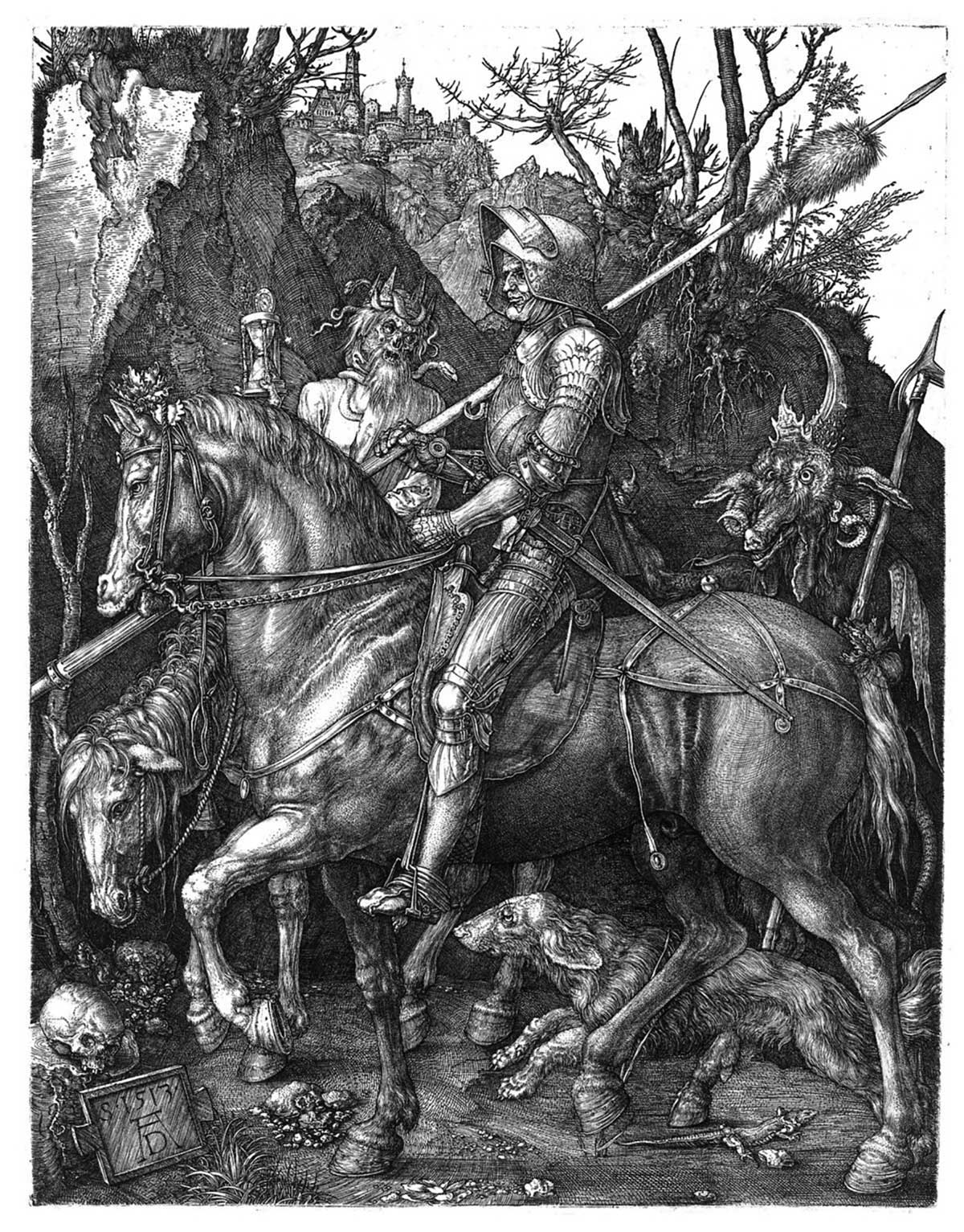
32.4—July/August 2019
on Single-Mindedness in Durer's Ritter, Tod, und Teufel by Anthony Costello
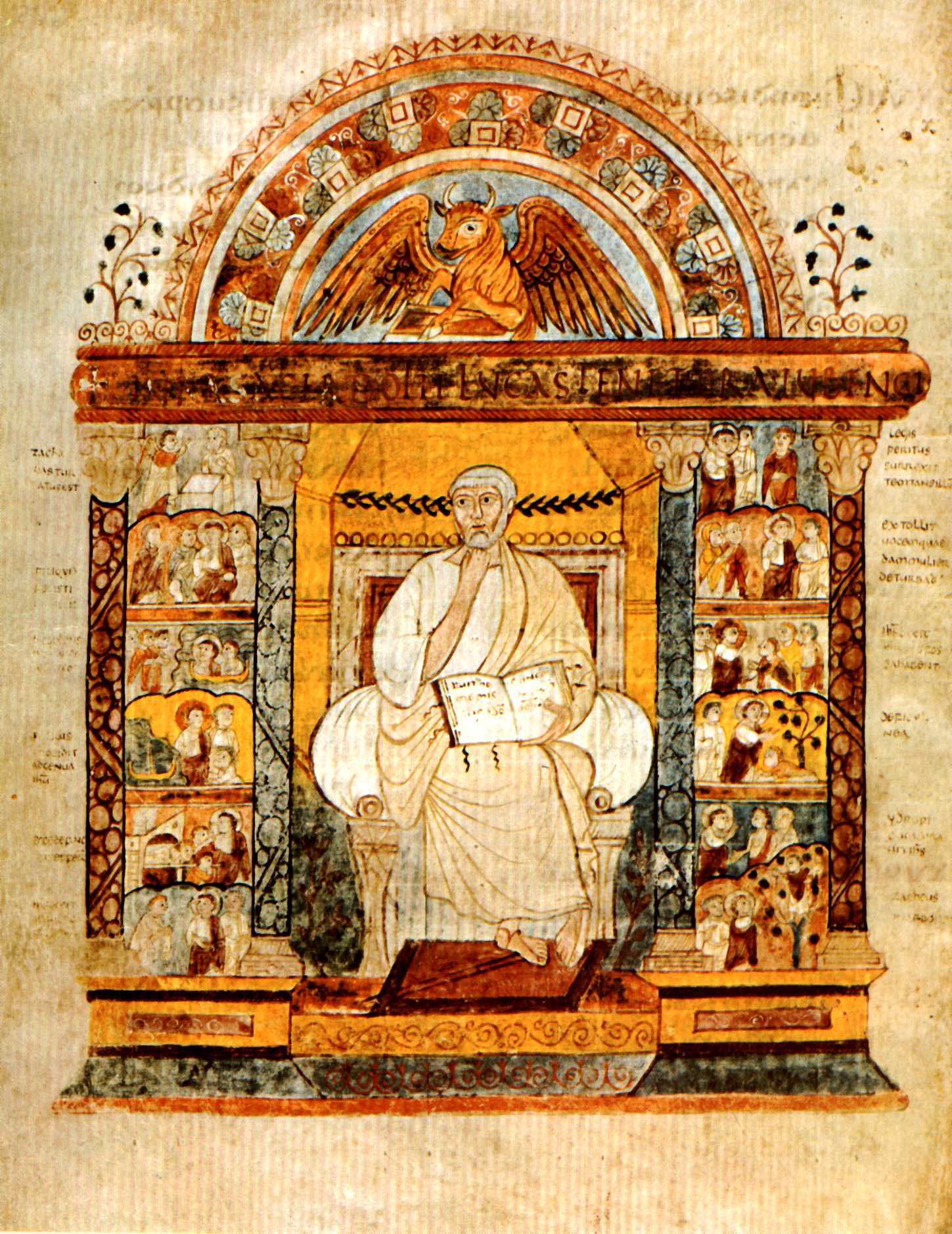
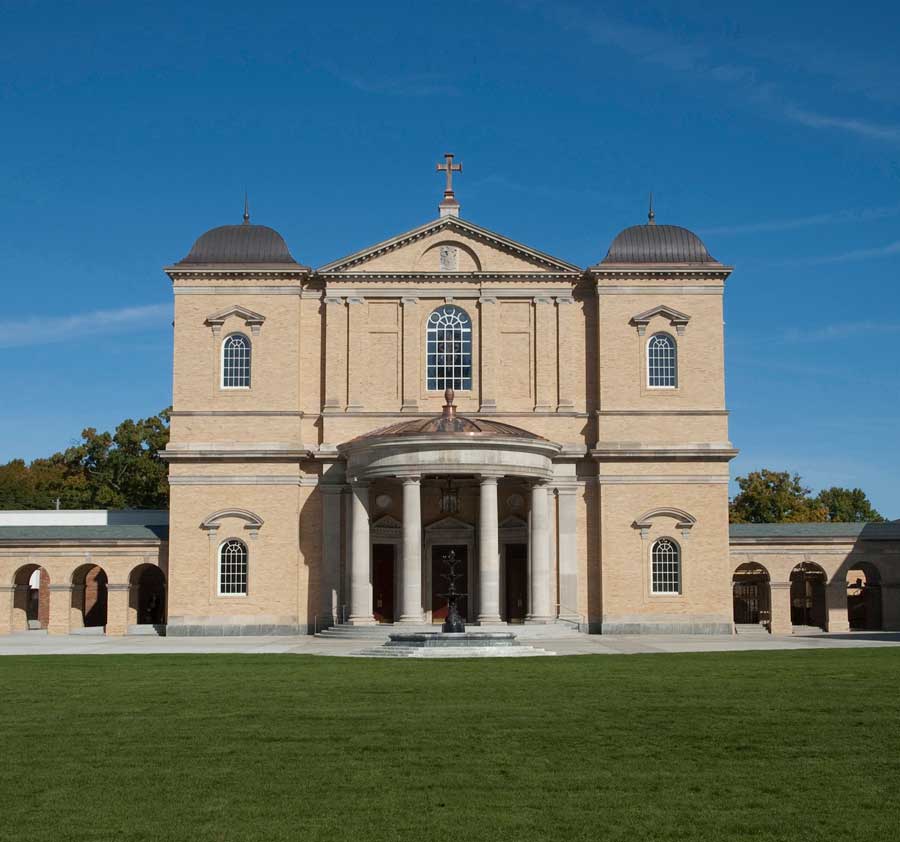
33.2—March/April 2020
An Architectural Sign of Mere Christianity by Michael Ward
more from the online archives
20.7—September 2007
Paul Didn’t Build Bridges to Popular Culture by Russell D. Moore

32.4—July/August 2019
Today's Culture Wars Are Both Ancient & Modern by Allan C. Carlson
15.6—July/August 2002
Things Hidden Since the Beginning of the World
The Shape of Divine Providence & Human History by James Hitchcock
calling all readers
Please Donate
"There are magazines worth reading but few worth saving . . . Touchstone is just such a magazine."
—Alice von Hildebrand
"Here we do not concede one square millimeter of territory to falsehood, folly, contemporary sentimentality, or fashion. We speak the truth, and let God be our judge. . . . Touchstone is the one committedly Christian conservative journal."
—Anthony Esolen, Touchstone senior editor
