





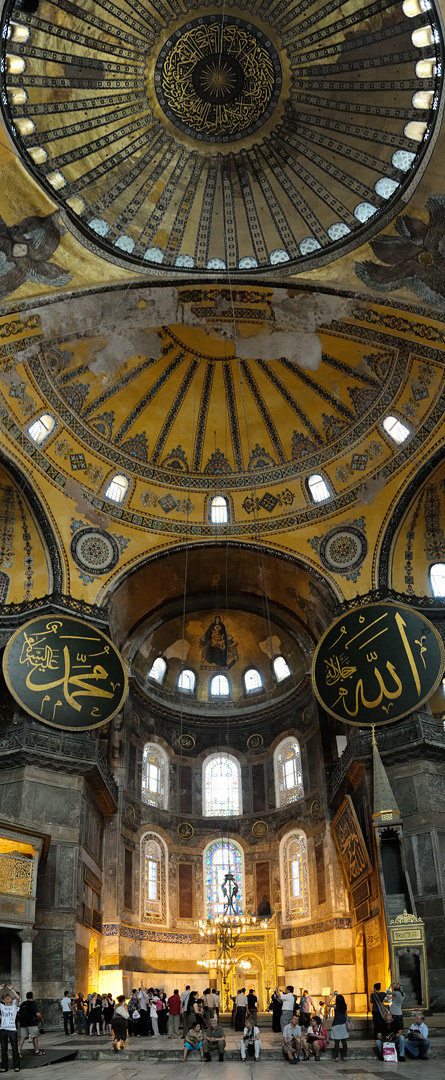
Hagia Sophia, Church of the Holy Wisdom
by Mary Elizabeth Podles
It is as familiar to the world as the Mona Lisa or the Coca-Cola sign. It would be presumptuous to pretend to be able to sum up Hagia Sophia, the Church of the Holy Wisdom, in a thousand words. Its history, at the hands of hasty contractors, iconoclasts, remodelers, Crusaders, Islamists, and the Turkish government, not to mention earthquakes, would fill volumes. Analysis of its geometry has filled volumes. Instead, a more modest proposal: let us walk, in our imaginations, through the church as it might have appeared in the Emperor Justinian's time, to see how it might have been perceived and understood in its own era.
Hagia Sophia was the ambitious project of an ambitious emperor. Justinian I, successful politician, codifier of law, military and diplomatic genius, and rich beyond imagining, set his hand to architecture after the cathedral church of Constantinople burned to the ground in the riots of 532. The designers he chose were not architects, but two theoretical scientists. Isidore of Miletus was a physicist, a theoretical commentator on vaulting methods, and Anthemius of Tralles was a geometer and specialist in statics and kinetics. Both were associated with the Neo-Platonist Ammonius of Alexandria, to whom the manifestation of deity was light and the sun; it is impossible to think of Hagia Sophia apart from its light.
THIS ARTICLE ONLY AVAILABLE TO SUBSCRIBERS.
FOR QUICK ACCESS:
Mary Elizabeth Podles is the retired curator of Renaissance and Baroque art at the Walters Art Museum in Baltimore, Maryland. She is the author of A Thousand Words: Reflections on Art and Christianity (St. James Press, 2023). She and her husband Leon, a Touchstone senior editor, have six children and live in Baltimore, Maryland. She is a contributing editor for Touchstone.
A Journal of Mere Christianity—Delivered to Your Door
- Essays on theology, culture, and the Church
- Contributors from across the Christian traditions

Six print issues (one year) of Touchstone, plus full online access and PDF downloads for only $39.95.

Get a one-year full-access subscription to the Touchstone online archives for only $19.95.
bulk subscriptions
Order Touchstone subscriptions in bulk and save $10 per sub! Each subscription includes 6 issues of Touchstone plus full online access to touchstonemag.com—including archives, videos, and pdf downloads of recent issues for only $29.95 each! Great for churches or study groups.
Transactions will be processed on a secure server.
more on art from the online archives
33.2—March/April 2020
An Architectural Sign of Mere Christianity by Michael Ward
32.4—July/August 2019
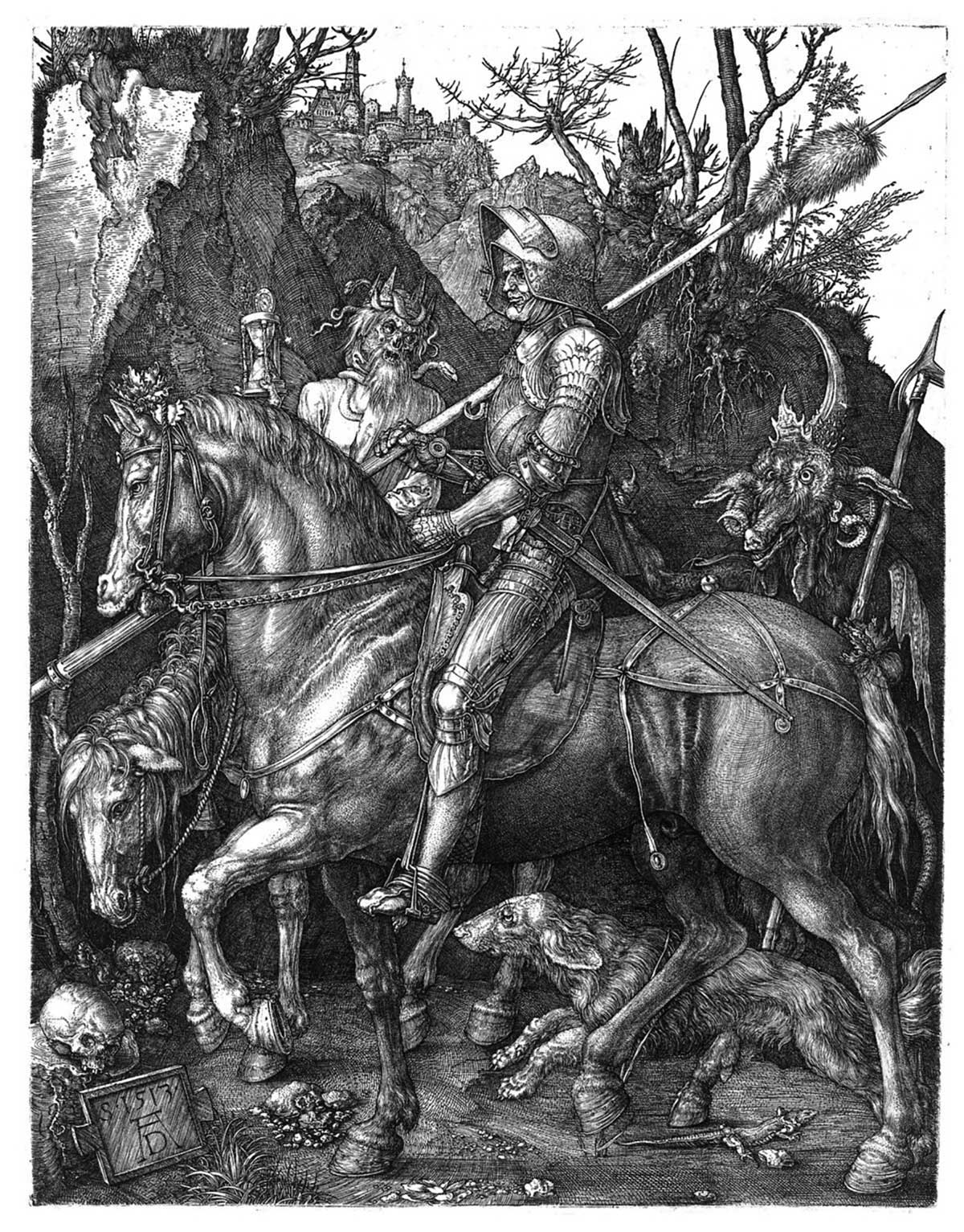
on Single-Mindedness in Durer's Ritter, Tod, und Teufel by Anthony Costello
more from the online archives
24.3—May/June 2011
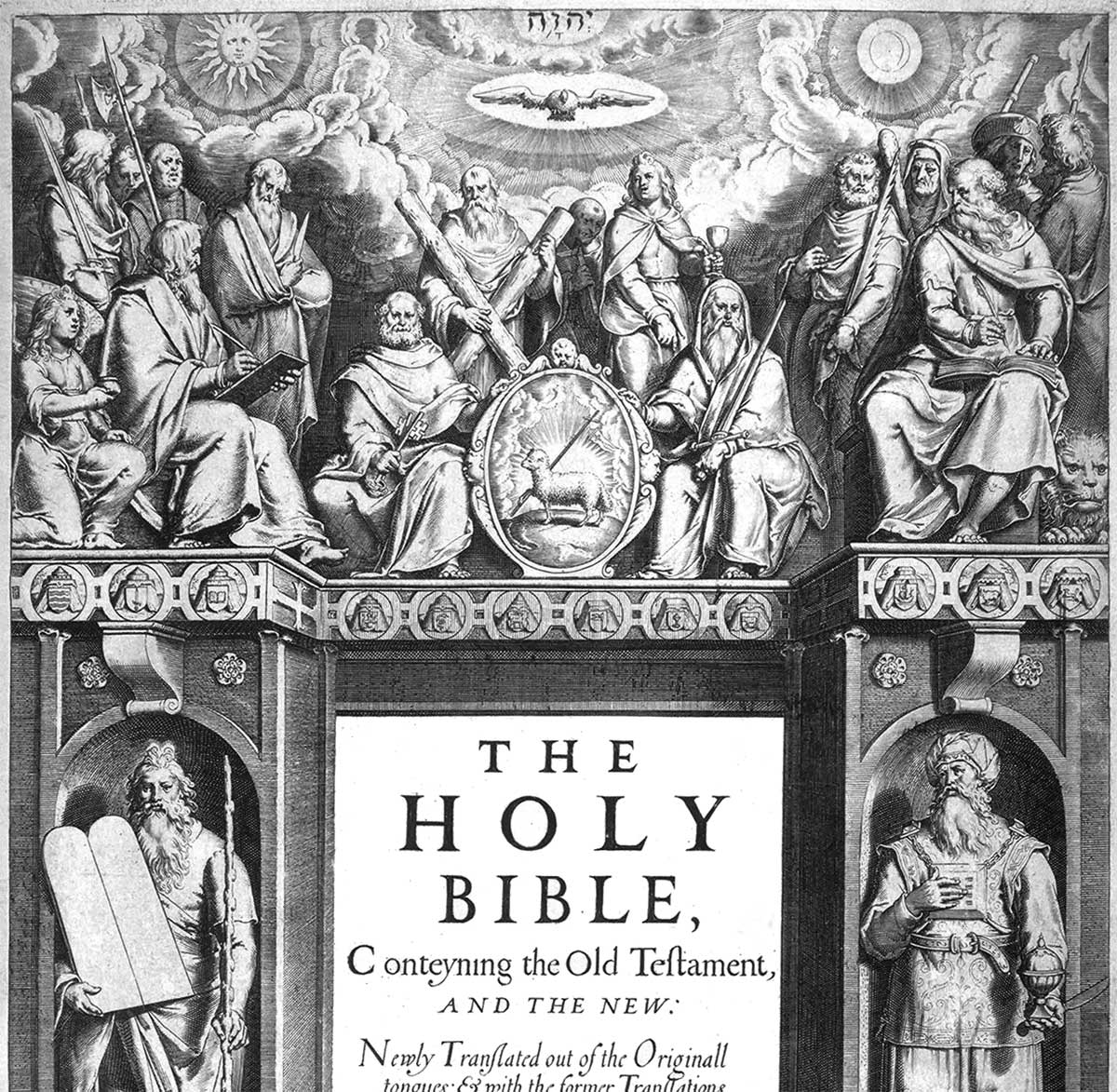
The Making & Endurance of the King James Bible, 1611-2011 by Barton Swaim
32.5—September/October 2019
Some Trivial Thoughts on the Study of Philosophy by Graeme Hunter

32.1—January/February 2019
on Down Syndrome & the Lives That Matter by David F. Watson
calling all readers
Please Donate
"There are magazines worth reading but few worth saving . . . Touchstone is just such a magazine."
—Alice von Hildebrand
"Here we do not concede one square millimeter of territory to falsehood, folly, contemporary sentimentality, or fashion. We speak the truth, and let God be our judge. . . . Touchstone is the one committedly Christian conservative journal."
—Anthony Esolen, Touchstone senior editor
