





Mortal Remains
Alas, Average at Best
by S. M. Hutchens
Once again, this time in a story covering the pending liberal/traditionalist division over homosexuality in the United Methodist Church, I have encountered a journalist's assurance that religious conservatives are less educated, accomplished, and culturally sophisticated than their liberal antagonists. The implication is that those in the churches who oppose what used to be universally acknowledged in them as sexual sin are, on the whole, inferior human beings by the most meaningful indices of personal worth—they are, as Michael Weisskopf alleged in his infamous 1993 Washington Post story, "largely poor, uneducated and easy to command."
This observation, now more often insinuated than so flatly stated, is not uncommon. Fear not—the journalistic mandarins assure readers who may hesitate before the idea that religious traditionalists might be right about perversion and all that—superior people like us agree against the inferior sort that this is progress, and not "going
bad."
THIS ARTICLE ONLY AVAILABLE TO SUBSCRIBERS.
FOR QUICK ACCESS:
S. M. Hutchens is a senior editor and longtime writer for Touchstone.
A Journal of Mere Christianity—Delivered to Your Door
- Essays on theology, culture, and the Church
- Contributors from across the Christian traditions

Six print issues (one year) of Touchstone, plus full online access and PDF downloads for only $39.95.

Get a one-year full-access subscription to the Touchstone online archives for only $19.95.
bulk subscriptions
Order Touchstone subscriptions in bulk and save $10 per sub! Each subscription includes 6 issues of Touchstone plus full online access to touchstonemag.com—including archives, videos, and pdf downloads of recent issues for only $29.95 each! Great for churches or study groups.
Transactions will be processed on a secure server.
more on sex from the online archives

33.1—January/February 2020
Speaking Truth About the Sexes Is Not Optional by Anthony Esolen
32.5—September/October 2019
on the Inhuman Transformation of Transgenderism by Anthony Esolen
23.5—September/October 2010
The Loss of a Christian Understanding of Virginity Is Pure Tragedy by Eleanor Bourg Donlon
more from the online archives
24.3—May/June 2011
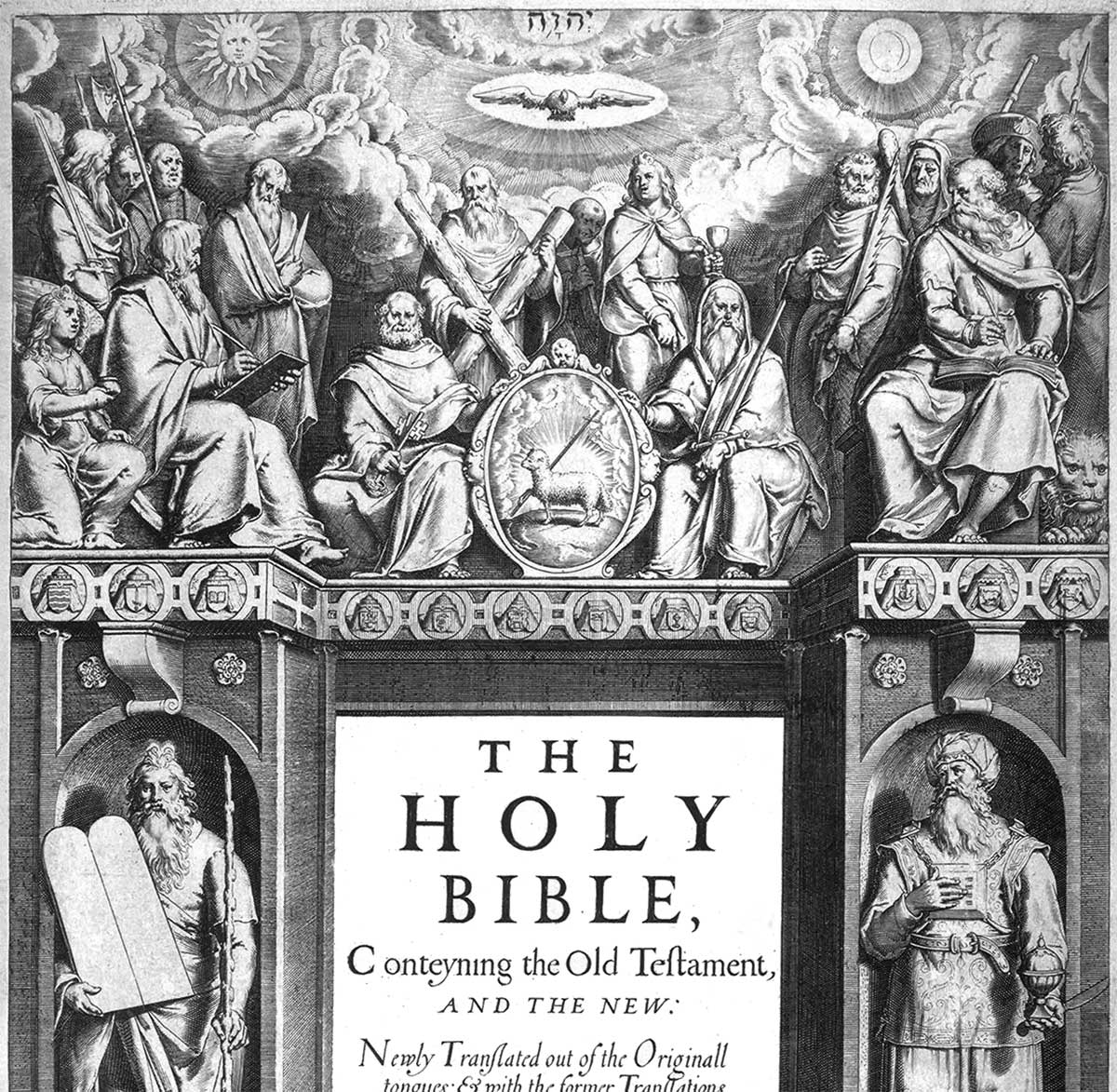
The Making & Endurance of the King James Bible, 1611-2011 by Barton Swaim

32.4—July/August 2019
Today's Culture Wars Are Both Ancient & Modern by Allan C. Carlson
calling all readers
Please Donate
"There are magazines worth reading but few worth saving . . . Touchstone is just such a magazine."
—Alice von Hildebrand
"Here we do not concede one square millimeter of territory to falsehood, folly, contemporary sentimentality, or fashion. We speak the truth, and let God be our judge. . . . Touchstone is the one committedly Christian conservative journal."
—Anthony Esolen, Touchstone senior editor
