





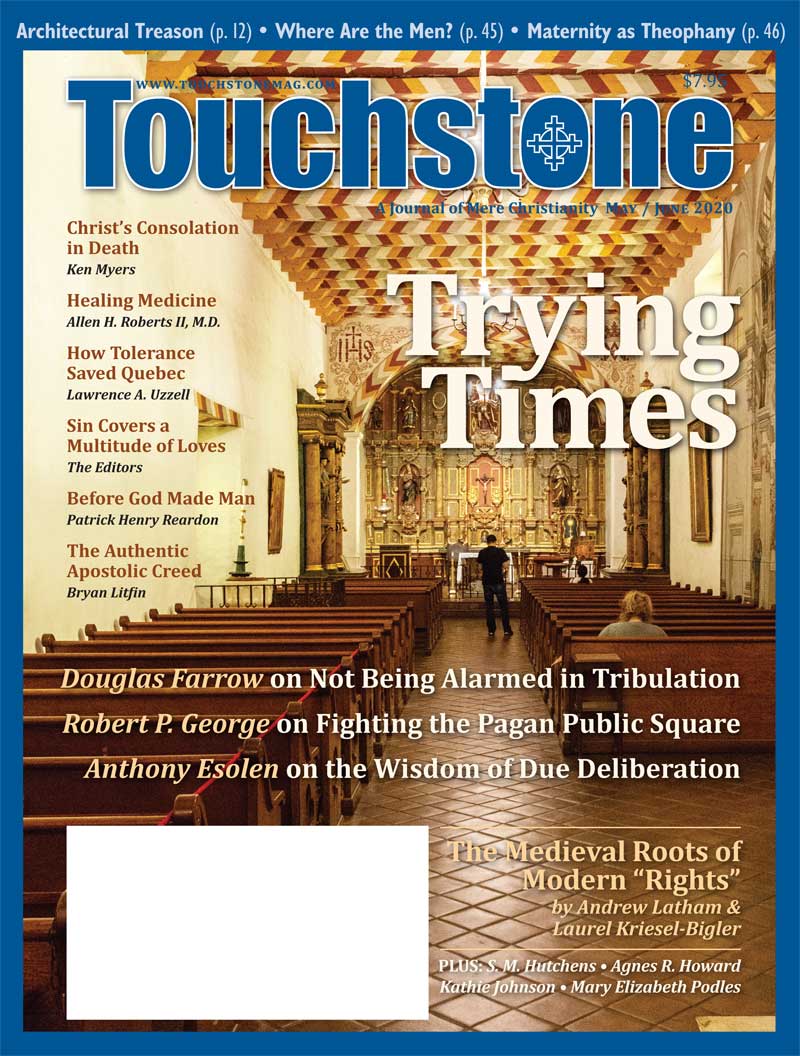
A Thousand Words
The Asam Brothers' The Assumption
Mary Elizabeth Podles
"Museums," muses the art historian Germaine Bazin, "have distorted most people's view of painting—we tend to base our appreciation only on what we see there." The common perception, then, that eighteenth-century German painting is an inferior product is held among many writers because, as Bazin goes on to say, "they have forgotten to look up, and to absorb the forms and colours displayed on the church ceilings." Today let us journey down the Danube to the Benedictine Abbey of St. George and St. Martin in Weltenburg, Germany, and cast our eyes up, upward to the Asam brothers' magnificent Assumption, and see how the criticism holds up.

The Assumption ceiling was begun in 1716 and not finished until 1721; the overall effect is overwhelming. It is hard to know where to begin. Where does the architecture leave off and the Asams' embellishment begin? A broad band of stucco, shallowly concave, shows scenes from Benedictine history in the round and in low relief. This is Egid Quirin's sculpture: it rises upward towards the elliptical space in the center, the tricks of architectural perspective making the shallow space seem deeper than it is. At the edge of the ellipse, stucco clouds and angels spill over the sides and hold up a ring of gilded stucco crowned with stars and suns.
Here the world of three dimensions ends, and the painter Cosmas Damian takes over. Above us springs a domed and pillared temple with a cupola open to the sky, filled with clouds, angels, saints, golden light and the Trinity itself; it is hard to imagine a more intense metaphor for heaven. All of this glorious space is completely fictive: the ceiling is in fact flat. Hidden windows flood the picture with light, and the painter's mastery of the perspective art makes it difficult for us to believe that we are not looking up into an actual dome, but only at a two-dimensional surface.
The Characters
The unity of this illusion makes it at first difficult to sort out the cast of characters. At the top, filling the opening of the cupola, is the dove of the Holy Spirit. He looks down toward God the Father, who holds Mary's crown, while, opposite the Father, Jesus welcomes his mother with open arms. The three Persons of the Trinity form a perfect triangle. As in a Byzantine dome, they occupy the highest circle of the heavens. Below them, the allegorical figure of Religion lifts her chalice in salute.
The next level down is the realm of the saints, with Mary, crowned with a nimbus of stars, in the highest place of honor. Below her stands the whole company of heaven. Facing Mary is St. Peter, who holds the keys and the cross of his martyrdom; in his train follow the other apostles, and behind them, St. Rupert, who originally consecrated the site at Weltenburg and its pilgrimage chapel. St. George the dragon slayer, patron saint of the monastery, holds his lance and gestures toward Mary. St. Martin, the abbey's other patron, approaches from the south. Under his protection follow the monks of the abbey, led by Abbot Maurus Baechle, who commissioned and presumably oversaw the Asam brothers at work.
Opposite St. Peter, directly behind Mary, we find St. Benedict, founder of the Benedictine Order, and his twin sister, St. Scholastica. He looks up to heaven, while she looks down as if to invite us into the scene. Their position opposite Sts. Peter and George suggests that while the martyrs represent the active life, Benedict and Scholastica stand for the equal dignity of a life of contemplation and prayer.
But this heaven is not a quiet place. At the end of the ellipse, just above the organ pipes, St. Cecilia sits at her celestial organ, and is accompanied by King David, master of the choir, with his harp. Mary Magdalene, like David a great penitent, sings to an accompaniment of four holy women. Above them, soaring skyward on a golden cloud, is Mary's special angel, Gabriel, with his trumpet.
It is as if they lead the music that the monks below are making in the chapel; during the liturgy, earth and heaven become one. For a time we live in a single, unified space, united with the Church Triumphant, which billows above us in the illusionistic space the Asam brothers have conjured up out of a flat ceiling. For if heaven is the real goal in our sight, and earth is only transitory, where, they ask, is the illusion now?
A Burst of Heavenly Light
Mary Elizabeth Podles is the retired curator of Renaissance and Baroque art at the Walters Art Museum in Baltimore, Maryland. She is the author of A Thousand Words: Reflections on Art and Christianity (St. James Press, 2023). She and her husband Leon, a Touchstone senior editor, have six children and live in Baltimore, Maryland. She is a contributing editor for Touchstone.
A Journal of Mere Christianity—Delivered to Your Door
- Essays on theology, culture, and the Church
- Contributors from across the Christian traditions

Six print issues (one year) of Touchstone, plus full online access and PDF downloads for only $39.95.

Get a one-year full-access subscription to the Touchstone online archives for only $19.95.
bulk subscriptions
Order Touchstone subscriptions in bulk and save $10 per sub! Each subscription includes 6 issues of Touchstone plus full online access to touchstonemag.com—including archives, videos, and pdf downloads of recent issues for only $29.95 each! Great for churches or study groups.
Transactions will be processed on a secure server.
more on art from the online archives
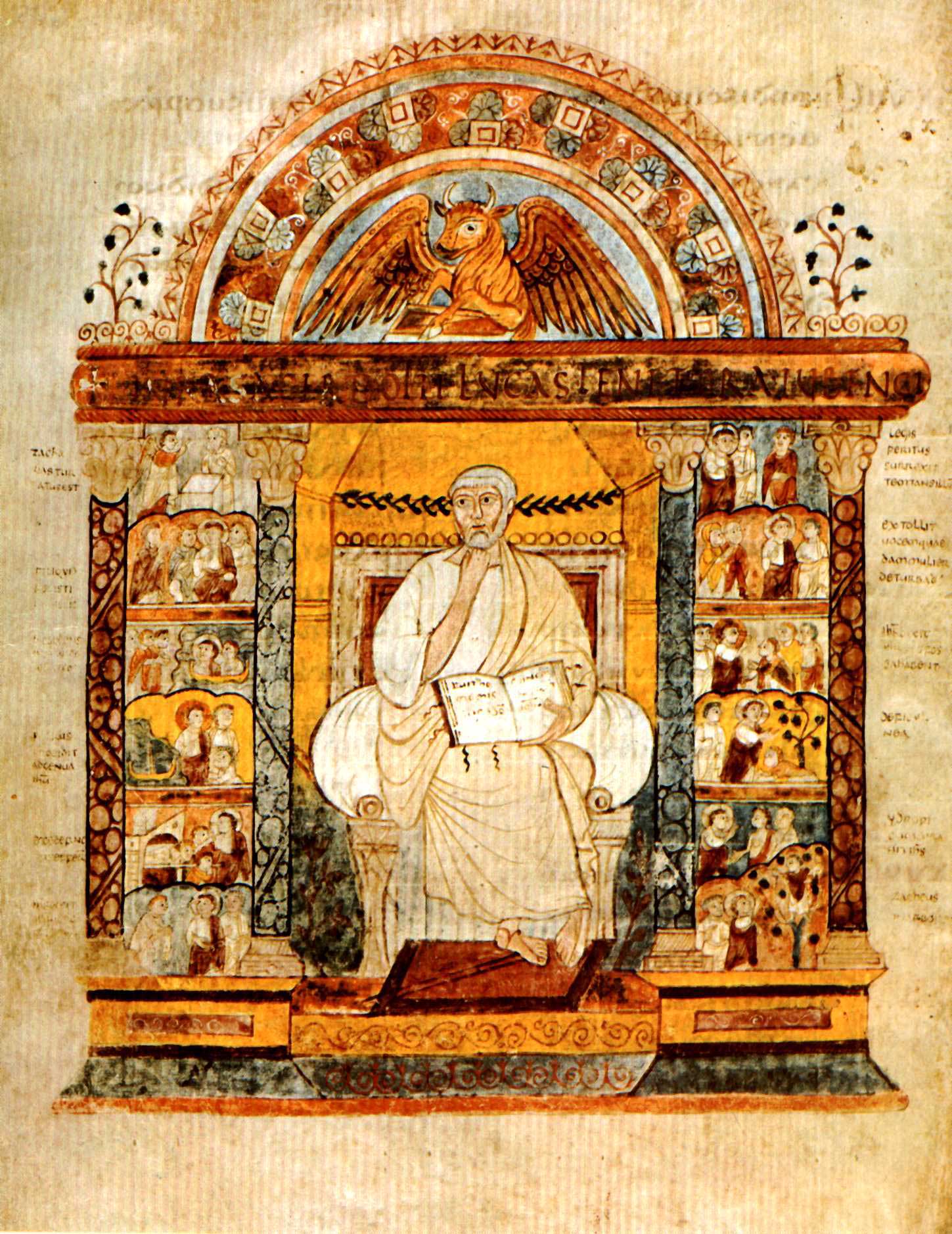
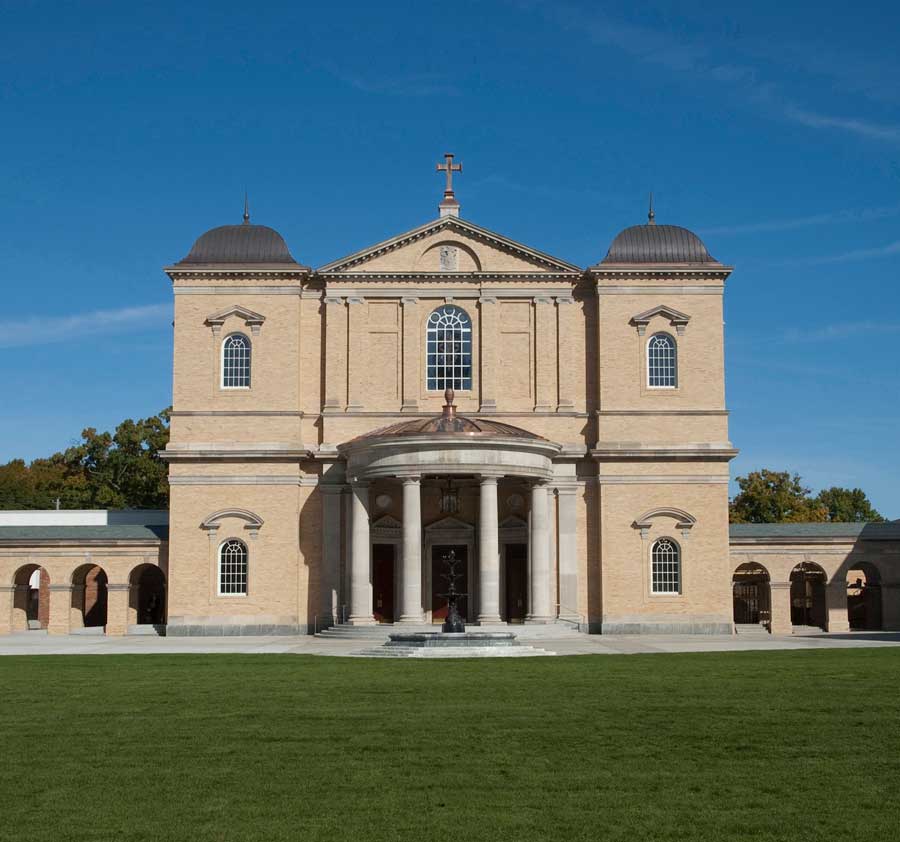
33.2—March/April 2020
An Architectural Sign of Mere Christianity by Michael Ward
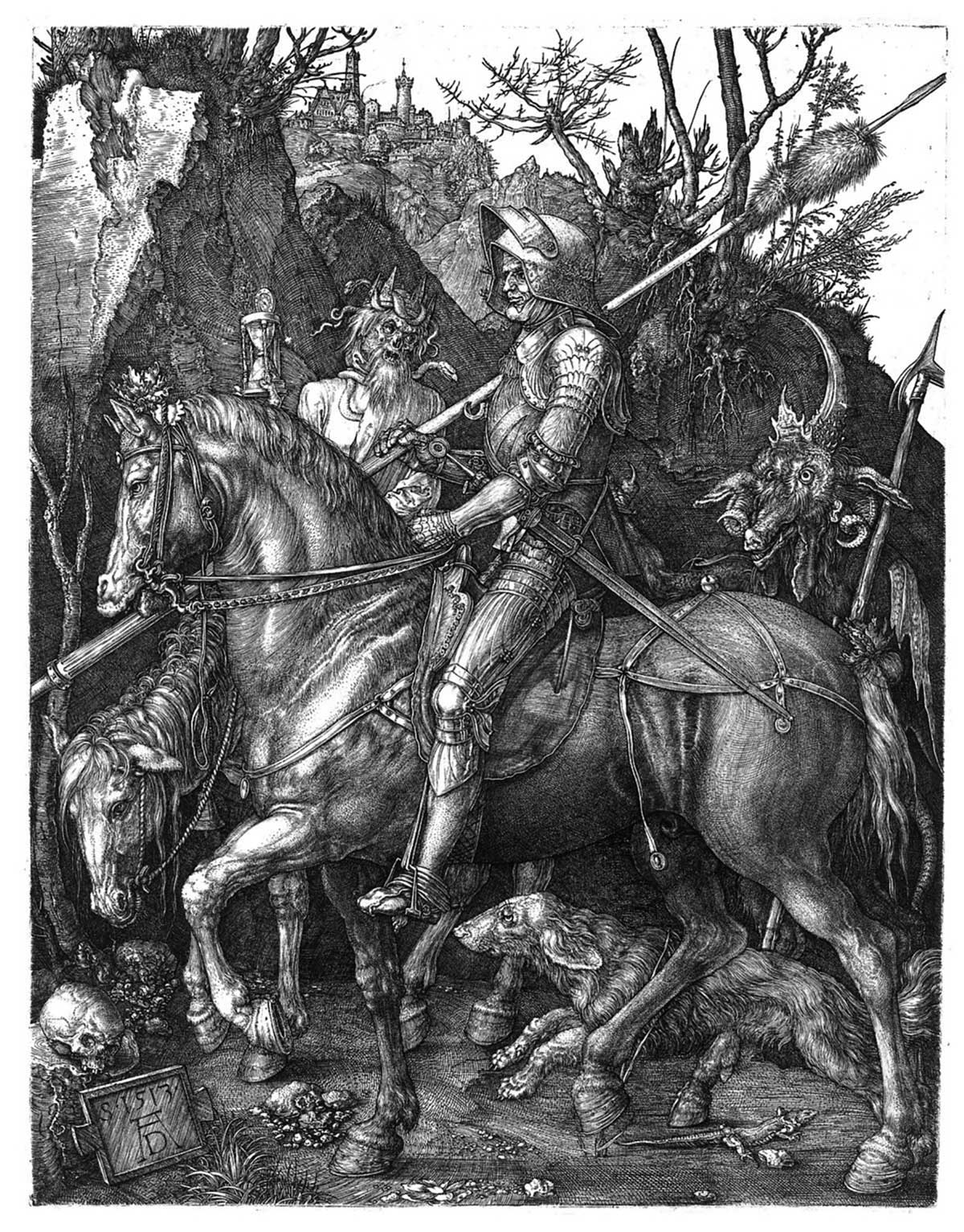
32.4—July/August 2019
on Single-Mindedness in Durer's Ritter, Tod, und Teufel by Anthony Costello
more from the online archives

33.3—May/June 2020
on the Wisdom of the Good Doctor Edmund Pellegrino by Allen H. Roberts II

31.2—March/April 2018
The Transmission of Christianity Is Not a New Task by Nathanael Devlin
24.1—January/February 2011
Marriage Thrives in Reality, Not in Our Dreams by Nathan Schlueter
calling all readers
Please Donate
"There are magazines worth reading but few worth saving . . . Touchstone is just such a magazine."
—Alice von Hildebrand
"Here we do not concede one square millimeter of territory to falsehood, folly, contemporary sentimentality, or fashion. We speak the truth, and let God be our judge. . . . Touchstone is the one committedly Christian conservative journal."
—Anthony Esolen, Touchstone senior editor
