


Feature
Korean Golgotha
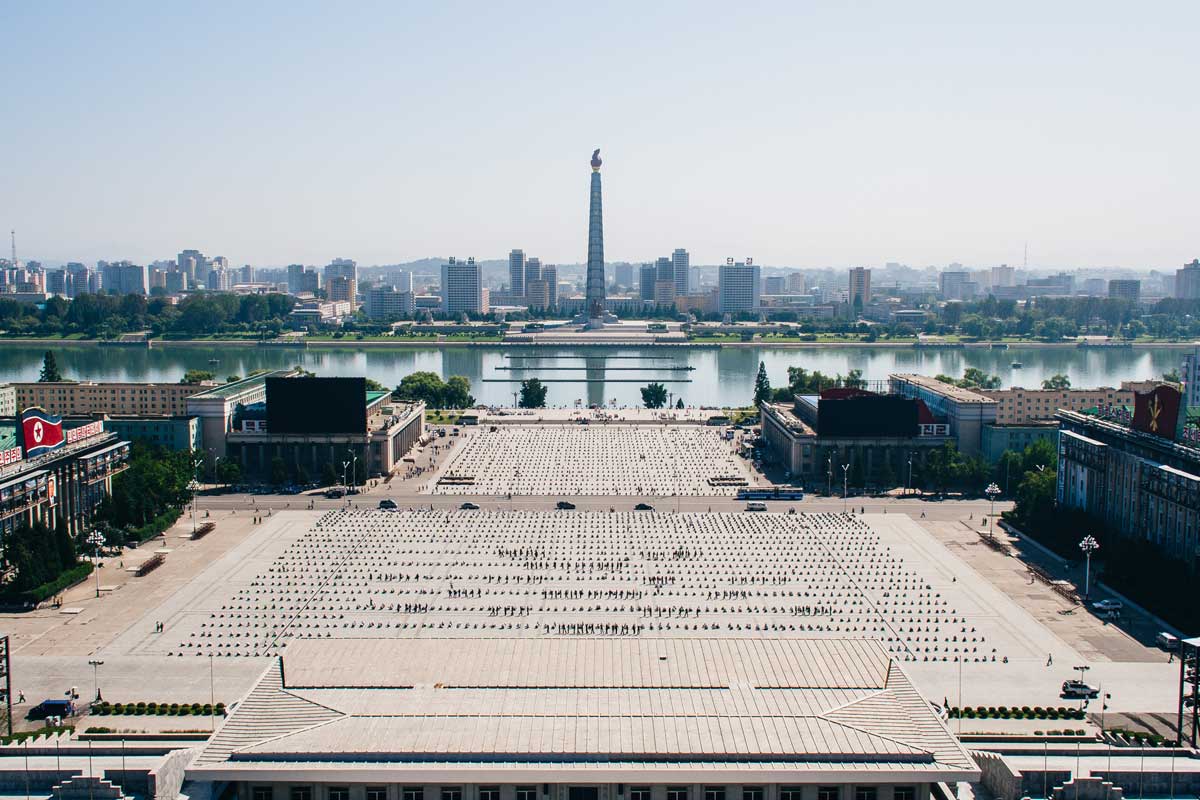
Pyongyang Was Once Jerusalem of the East
by Morse Tan
Although guaranteed by its constitution, religious freedom in North Korea is sharply curtailed in practice. Many Christians are sent to labor camps simply because of their religious beliefs. Returned refugees and defectors who are discovered to be Christian generally receive worse treatment than other inmates of prisons and labor camps. One concentration camp prisoner testified:
I have seen many scenes of Christians being punished because they would not change their belief. They would not say, okay, I will not believe in Christ anymore, and that is what the prison guards wanted to hear. I have seen eight women who were dragged out and being punished because they did not say they would not believe in Christ anymore. These women were burned.
Repatriated refugees who had converted to Christianity during their fugitive life in China face a particularly grim fate. Some have testified that the very first question interrogators ask upon their return to North Korea is whether they had any contact with Christians while in China or if they believed in Jesus Christ. Although many newly converted Christians hesitate, one family of four stood firm and forthrightly professed their faith. The authorities then led them to "Hepatitis Street," a small courtyard adjacent to the liver ward of a hospital in Namyang City, and shot all four of them in front of neighbors who were forced to watch. The message to the stunned cluster of neighbors was clear: anyone who attempted to exercise a religious belief other than the worship of the Dear Leader (at the time, Kim Jong-Il) would meet the same fate. With that brutality in mind, let us look at the historical background to this situation.
Protestant Christianity Comes to Korea
Catholic missionaries first came to Korea in the eighteenth century, but Protestant Christianity was not introduced there until 1865, with the arrival of Welsh missionary Robert J. Thomas, who spent several months in the country preaching the Gospel and distributing Bibles. Korea was then known as the "Hermit Kingdom" because of its aversion to outsiders. Hence, when Thomas attempted to enter the country a second time in 1866, having sailed there aboard an American ship, he was killed on the banks of the Daedong River after fleeing the ship, which Korean authorities had set alight when its crew refused to turn back. The date was September 2, 1866, and Thomas was only 27 years old.
Though Korea continued to live up to its "Hermit Kingdom" moniker for decades afterward, by the 1890s northwestern Korea opened itself up to missionary work, and many Presbyterian and Methodist missionaries founded "stations" in the region, where they worked to spread Christianity through education and medical services.
The number of conversions among Koreans gradually grew, and in 1904, during the Wonsan Revival Movement, over 10,000 Koreans in Pyongyang alone converted to Christianity. They were followed by thousands more over the next couple of years, and in January 1907, the Great Revival Movement, "one of the most discussed growth experiences in the history of Korean Protestantism," took place. Yoon Tahk-Sohn, Doctor of Theology at the Presbyterian College and Theological Seminary in South Korea, described the activities at Jangdaehyeon Church in Pyongyang during that revival. In the mornings, congregants gathered to study the Bible, but in the evenings, they focused more on evangelization. On the nights of January 14 and 15, what Yoon called "the critical moment," "up to about 15,000 people from the city congregated."
The ripples of these revivals extended broadly. Church leaders started a campaign for "a million new souls" in 1907, and the religious experiences of the revival gave the Korean church a distinct character. Historian Paek Nak-Chun wrote, "The Revival left its mark in the mode of worship that still defines the Korean church: an emphasis on fervent prayer, often before dawn or at retreats in the mountains, confessional prayer, prayer for healing and wholeness, and prayer for deliverance."
Benefits to the Korean Peninsula
In addition to the spiritual transformation, Korea reaped many benefits from the Christian missionaries' presence. Clinics and schools sprang up alongside churches, and the Christian worldview introduced new ways of thinking that positively influenced society.
A Journal of Mere Christianity—Delivered to Your Door
- Essays on theology, culture, and the Church
- Contributors from across the Christian traditions
Six print issues (one year) of Touchstone, plus full online access and PDF downloads for only $39.95.
Get a one-year full-access subscription to the Touchstone online archives for only $19.95.
bulk subscriptions
Order Touchstone subscriptions in bulk and save $10 per sub! Each subscription includes 6 issues of Touchstone plus full online access to touchstonemag.com—including archives, videos, and pdf downloads of recent issues for only $29.95 each! Great for churches or study groups.
Transactions will be processed on a secure server.
more on religious liberty from the online archives
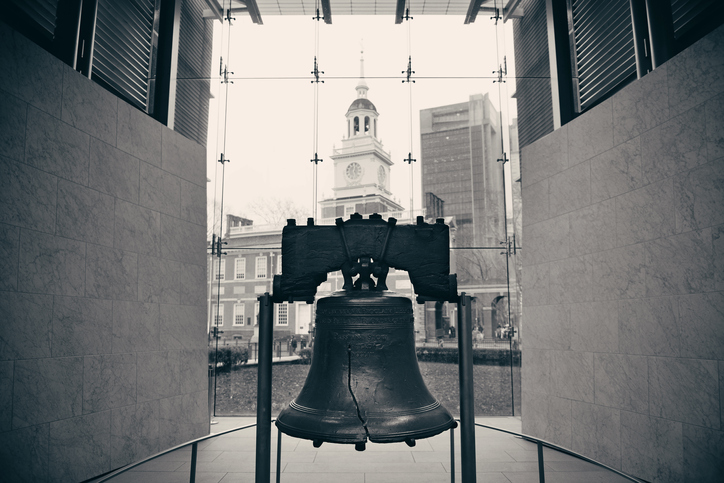
25.3—May/Jun 2012
Calls for Freedom, Democracy & Secularism End Up with None of the Above by Hunter Baker
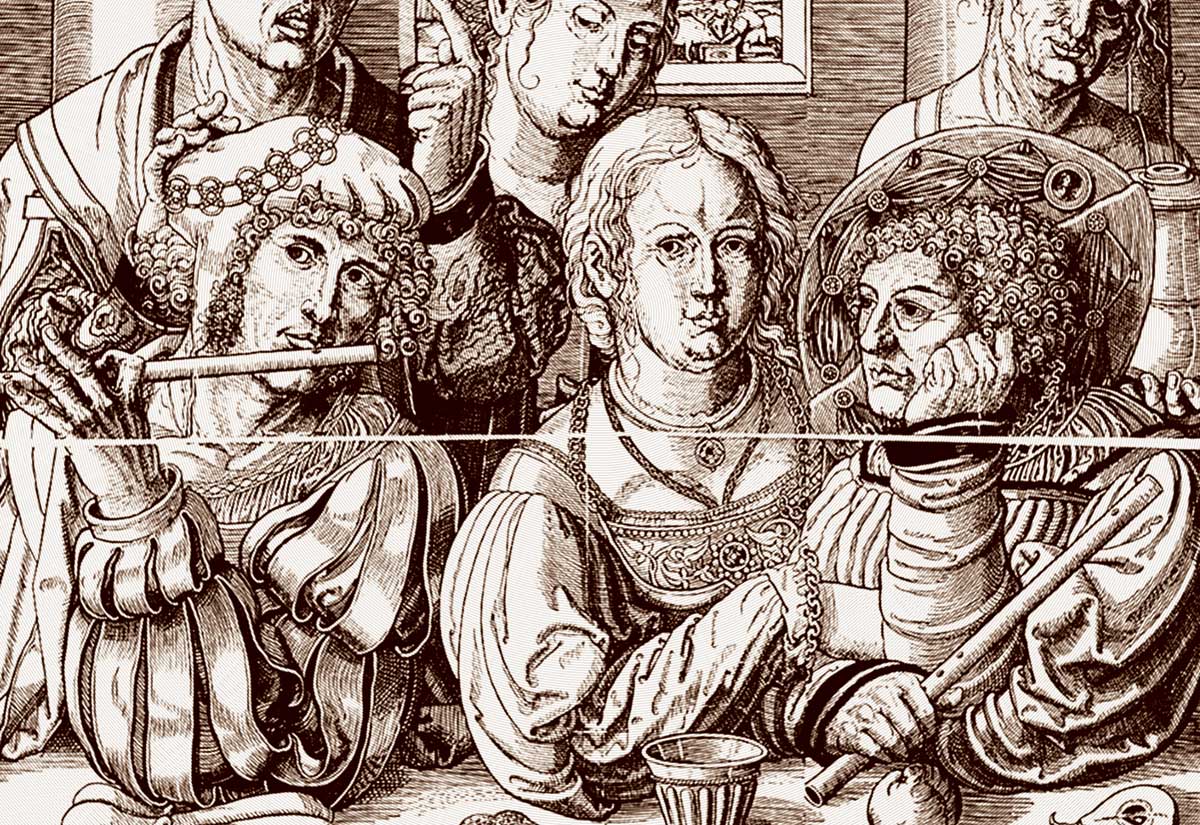
24.6—Nov/Dec 2011
on the Tyranny of Modern Freedom versus the Freedom of Jesus by Gillis J. Harp
27.3—May/June 2014
Religious Freedom & Why It Matters
Working in the Spirit of John Leland by Robert P. George
more from the online archives
20.7—September 2007
Paul Didn’t Build Bridges to Popular Culture by Russell D. Moore
32.1—January/February 2019
The Diabolical Failure of Leaders in the Present Crises by James M. Kushiner
calling all readers
Please Donate
"There are magazines worth reading but few worth saving . . . Touchstone is just such a magazine."
—Alice von Hildebrand
"Here we do not concede one square millimeter of territory to falsehood, folly, contemporary sentimentality, or fashion. We speak the truth, and let God be our judge. . . . Touchstone is the one committedly Christian conservative journal."
—Anthony Esolen, Touchstone senior editor