





View
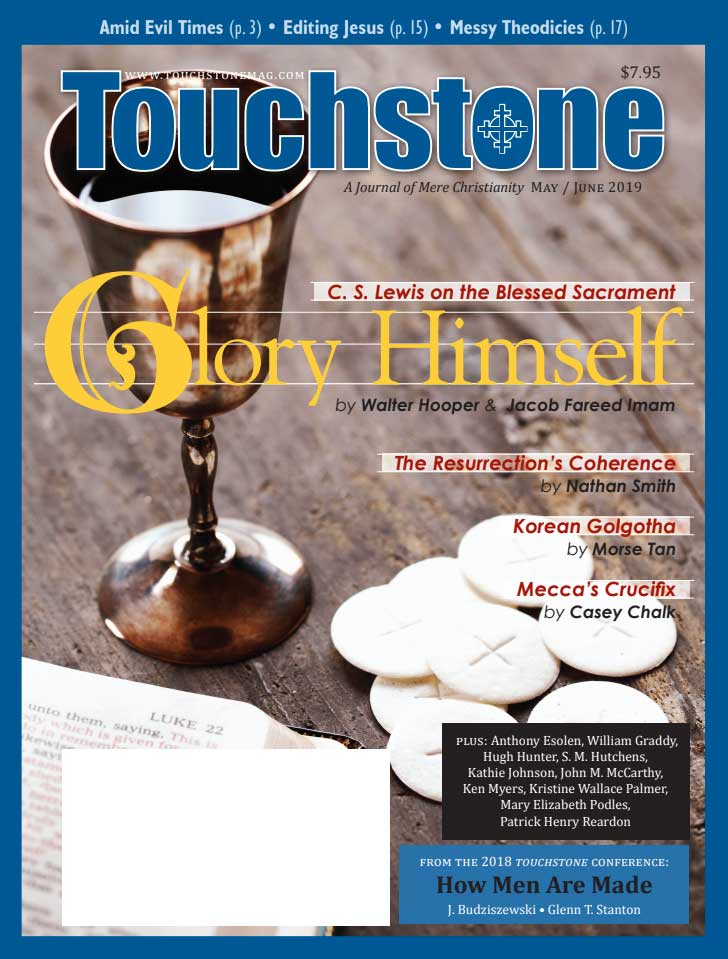
Editing Jesus
John M. McCarthy on the Implications of Changing the Pater Noster
"When I use a word," Humpty Dumpty said, in rather a scornful tone, "it means just what I choose it to mean—neither more nor less." "The question is," said Alice, "whether you can make words mean so many different things." "The question is," said Humpty Dumpty, "which is to be master—that's all."
On the first Sunday of December, the Catholic Québécois recited a new "translation" of the Our Father. "Ne nous soumets pas à la tentation" ("lead us not into temptation") is now rendered "Ne nous laisse pas entrer en tentation" ("do not let us enter into temptation"). Earlier this past November, the Italian Bishops' Conference approved a similar change to the Italian translation, from "non indurci in tentazione" ("lead us not into temptation") to "non abbandonarci alla tentazione" ("do not abandon us to temptation"). Rather than making a unilateral move in altering the Our Father according to Pope Francis's inferred wishes, it appears that Catholic bishops are taking a "synodal" approach.
A little over fifty years ago, the same Latin translation of the Our Father was said in every Roman Catholic Mass. Now, to go along with just these three languages—Latin, Italian, and French—Catholics can celebrate a genuine diversity in what is signified. Why should any single language, say Latin, maintain a monopoly on meanings? Surely the Catholic Church in her economy can offer a more evolved range, a full smorgasbord.
THIS ARTICLE ONLY AVAILABLE TO SUBSCRIBERS.
FOR QUICK ACCESS:
John M. McCarthy is a fellow at Thomas More College of Liberal Arts in New Hampshire, where he lives with his wife, Aja, and their three children. He is a Roman Catholic and holds a Ph.D. in philosophy from Boston College.
A Journal of Mere Christianity—Delivered to Your Door
- Essays on theology, culture, and the Church
- Contributors from across the Christian traditions

Six print issues (one year) of Touchstone, plus full online access and PDF downloads for only $39.95.

Get a one-year full-access subscription to the Touchstone online archives for only $19.95.
bulk subscriptions
Order Touchstone subscriptions in bulk and save $10 per sub! Each subscription includes 6 issues of Touchstone plus full online access to touchstonemag.com—including archives, videos, and pdf downloads of recent issues for only $29.95 each! Great for churches or study groups.
Transactions will be processed on a secure server.
more on bible from the online archives
32.3—May/June 2019
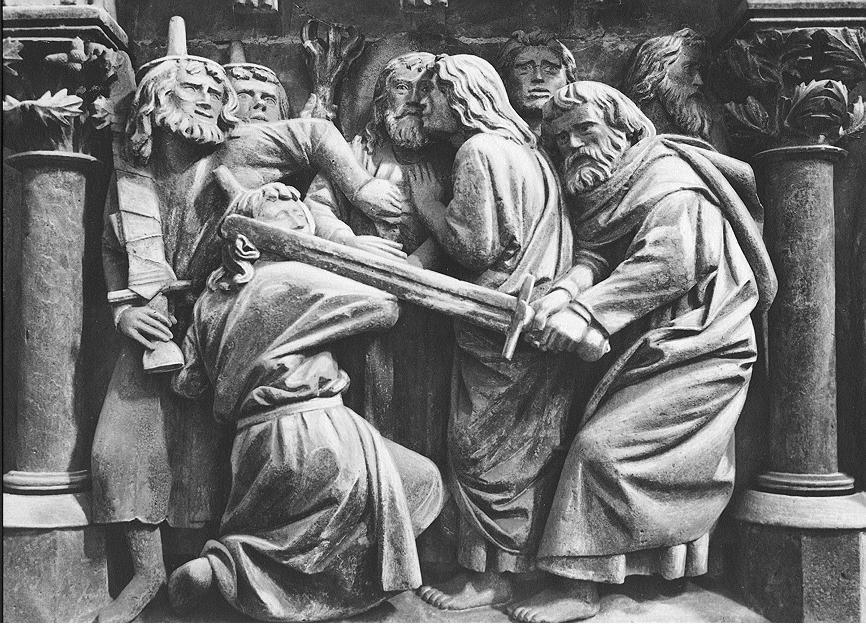
on the Implications of Changing the Pater Noster by John M. McCarthy
24.3—May/June 2011
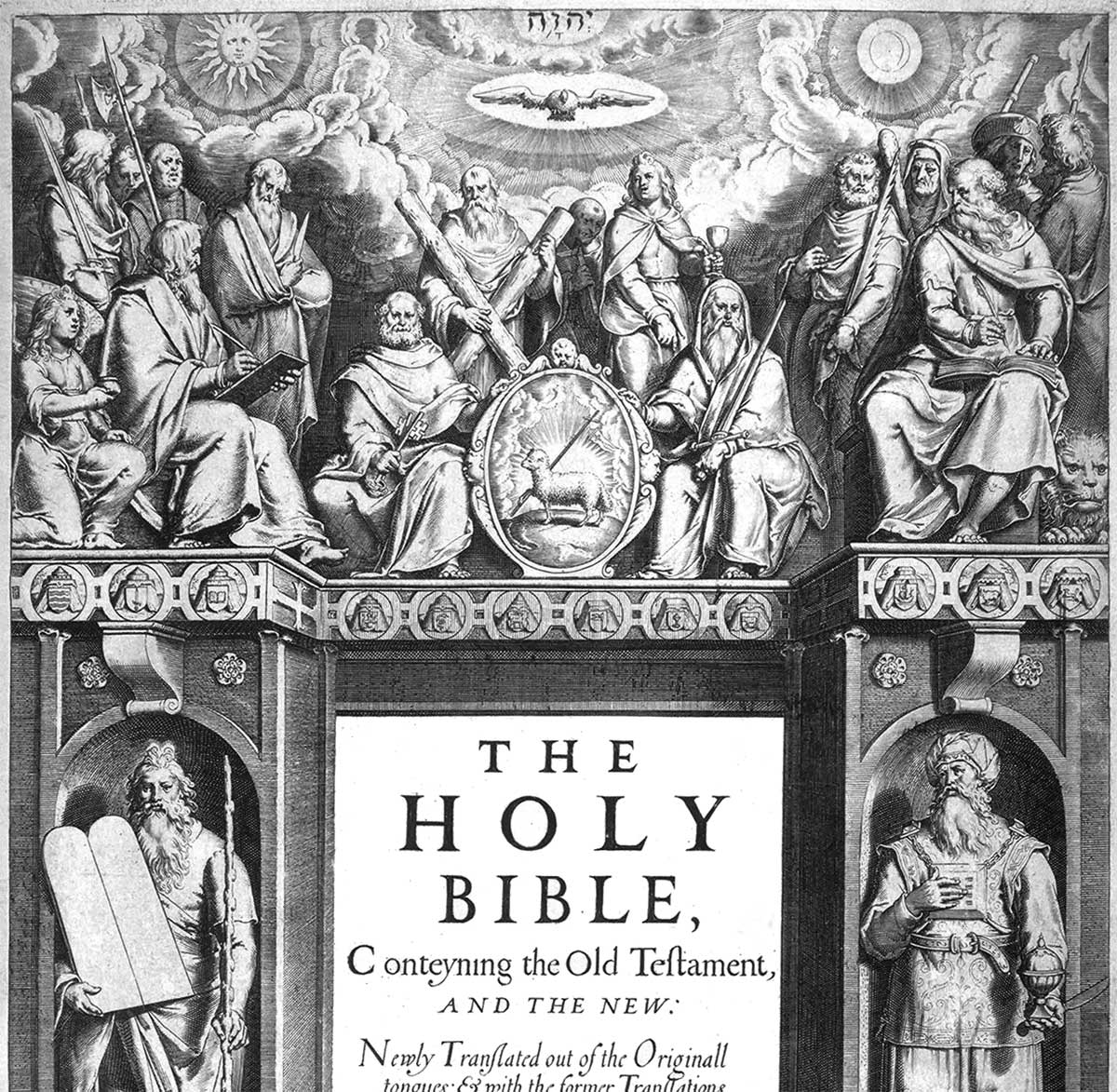
The Making & Endurance of the King James Bible, 1611-2011 by Barton Swaim
more from the online archives
19.8—October 2006
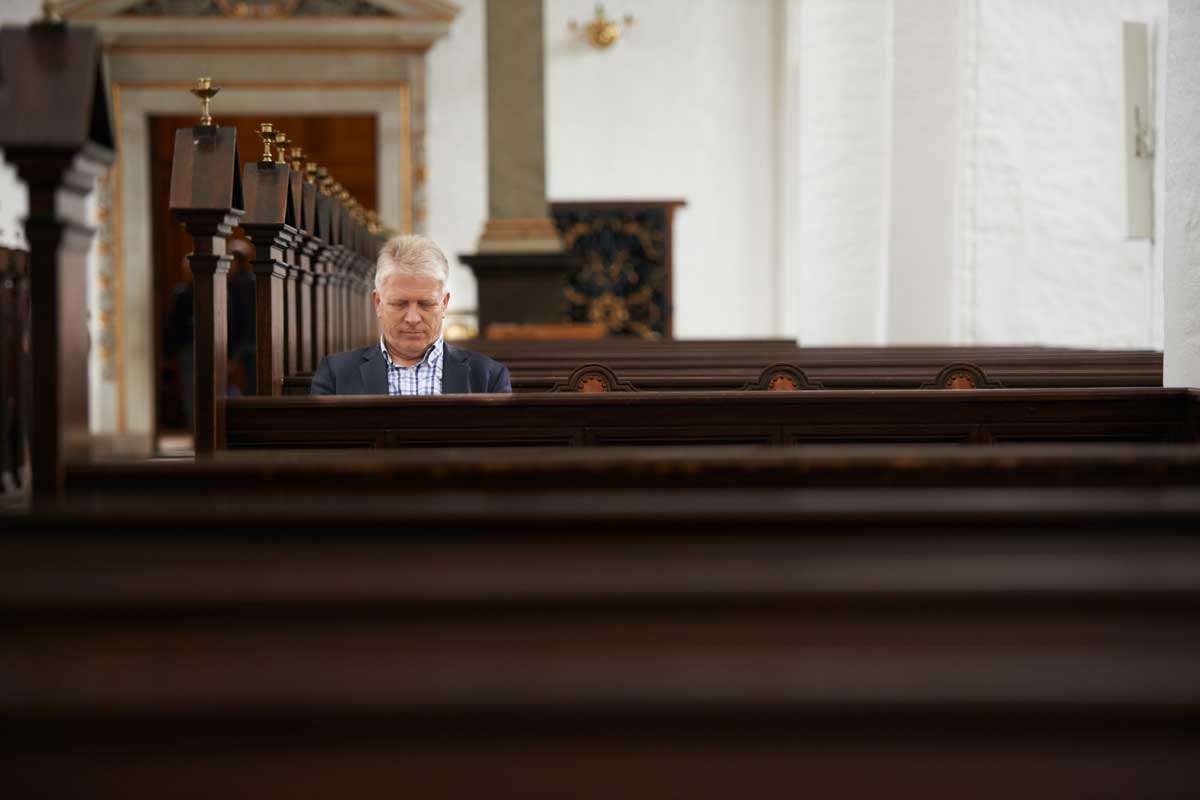
on the Good Father’s Quiet Desperation by Russell D. Moore
25.3—May/Jun 2012
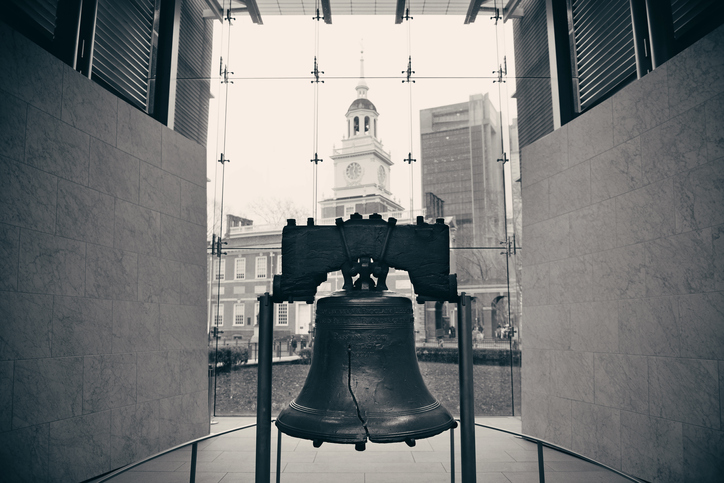
Calls for Freedom, Democracy & Secularism End Up with None of the Above by Hunter Baker
31.1—January/February 2018
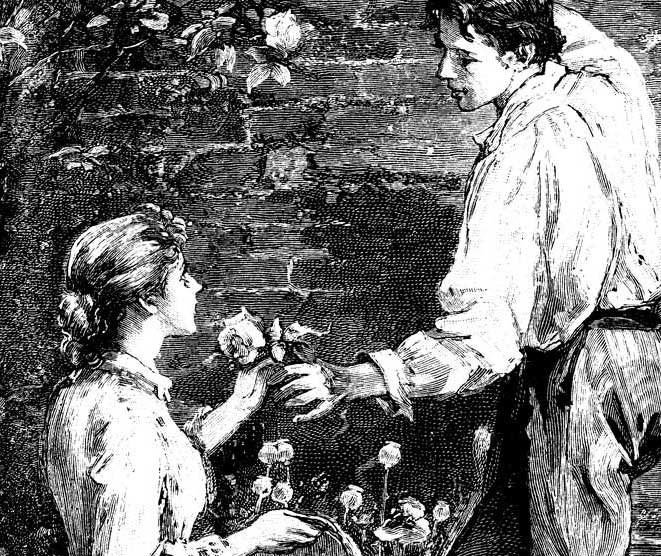
The Wisdom of the Victorian Quest for Innocence by David Sandifer
calling all readers
Please Donate
"There are magazines worth reading but few worth saving . . . Touchstone is just such a magazine."
—Alice von Hildebrand
"Here we do not concede one square millimeter of territory to falsehood, folly, contemporary sentimentality, or fashion. We speak the truth, and let God be our judge. . . . Touchstone is the one committedly Christian conservative journal."
—Anthony Esolen, Touchstone senior editor
