





2017 Conference Talk
Saved Through Fire
France's Reign of Terror & the Witness of the Church Militant
Contrary to stereotype, France in the eighteenth century was by no means an irreligious society. The level of practice was high, and it was unimaginable that before the end of the century the Catholic Church would be struggling merely to survive. But throughout the century religion was also being discredited—both legitimately and illegitimately—as a repressive superstition and a cause of division and persecution.
Religion remained vital, especially at the popular level of shrines, pilgrimages, processions, and patron saints, but it included learned preachers and theologians and programs of spiritual discipline. There was a general belief in miracles and a declining belief in sorcery. Most professions and occupations were organized around pious confraternities or guilds. Many of the aristocracy led scandalous lives, and Louis XV was thought to have offended God by his adulteries, but his daughter Louise joined a strict Carmelite convent.
France in the seventeenth century had experienced a great spiritual flowering that continued to nourish the eighteenth—Francis DeSales, Jane de Chantal, Vincent de Paul, Louise de Marillac, Jean-Jacques Olier, Armand Jean De Rancé, Jean-Baptiste de la Salle, Margaret Mary Alacoque.
Simultaneously, at the dawn of the Age of Reason, René Descartes sought a new synthesis between faith and reason, a philosophy accepted by many Catholics as an antidote to materialism. He also protected religious belief from scientific doubt on the grounds that, since it was based on divine revelation, religion was beyond empirical proof or disproof. (Unintentionally, he allowed later generations to conclude that there was no rational basis for faith.)
Descartes' near-contemporary Blaise Pascal was almost alone in seeing fully what was involved in this attempt to forestall skeptical rationalism. While the new science seemed to confirm a serenely ordered universe under God's presiding intelligence, Pascal saw that Descartes had merely proven the logical necessity of an abstract Supreme Being, not the existence of the living God.
Mere fashion played a part in the acceptance of new ideas that seemed daring. Although such ideas were potentially subversive, both the Catholic faith and the institutions of French life appeared so deeply rooted that it seemed safe to throw verbal stones at them.
Even as the Enlightenment became increasingly anti-Christian, most philosophes were Deists who extolled "natural religion" or the "religion of reason" and considered atheism irrational. Voltaire denounced atheism because it would make the universe unintelligible and encourage anarchy.
The issues were not simply between believers and skeptics. Deism existed in both mild and strong versions, and many Christians were complacent about the threat the Enlightenment posed. Some welcomed Deism as an antidote to atheism, so that, to varying degrees, the dogmas of Christianity were deemphasized, ignored, or denied.
The new spirit of critical inquiry penetrated everywhere, demythologizing politics (Locke, Montesquieu), historical Christianity (Gibbon), and morality (the discovery of new lands inspired fantasies of idyllic communities uncorrupted by old sexual taboos.) Besides rational skepticism, the Church was threatened by a new kind of religion that repudiated Christianity while retaining the religious instinct (Rousseau).
Although the philosophes attacked the Jesuits as ignorant bigots, in general the Jesuits were better-educated and more rigorous in their thinking than their opponents and at first even greeted the philosophes' Encyclopedia with qualified approval. (Some of it was in fact plagiarized from Jesuit authors.)
James Hitchcock is Professor emeritus of History at St. Louis University in St. Louis. He and his late wife Helen have four daughters. His most recent book is the two-volume work, The Supreme Court and Religion in American Life (Princeton University Press, 2004). He is a senior editor of Touchstone.
A Journal of Mere Christianity—Delivered to Your Door
- Essays on theology, culture, and the Church
- Contributors from across the Christian traditions

Six print issues (one year) of Touchstone, plus full online access and PDF downloads for only $39.95.

Get a one-year full-access subscription to the Touchstone online archives for only $19.95.
bulk subscriptions
Order Touchstone subscriptions in bulk and save $10 per sub! Each subscription includes 6 issues of Touchstone plus full online access to touchstonemag.com—including archives, videos, and pdf downloads of recent issues for only $29.95 each! Great for churches or study groups.
Transactions will be processed on a secure server.
more on history from the online archives
28.3—May/June 2015
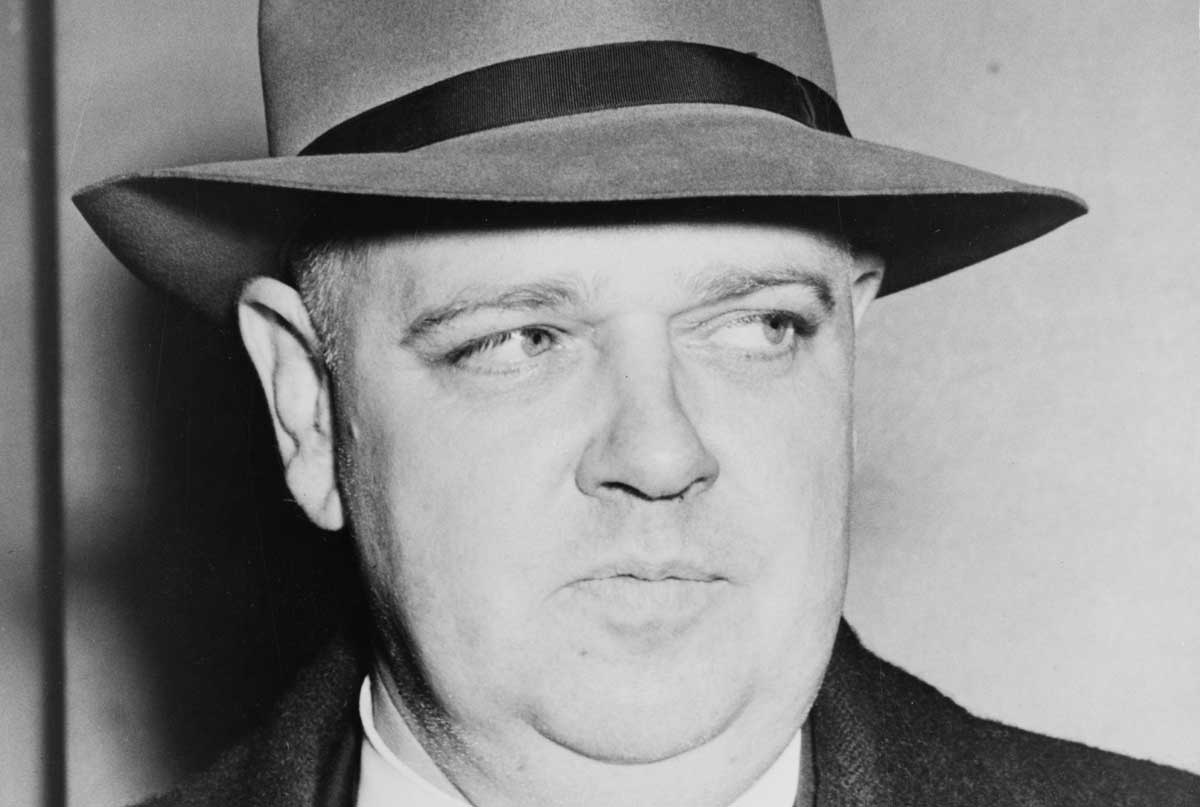
Whittaker Chambers's Lonely War Against Godless Collectivism by Hunter Baker
14.6—July/August 2001
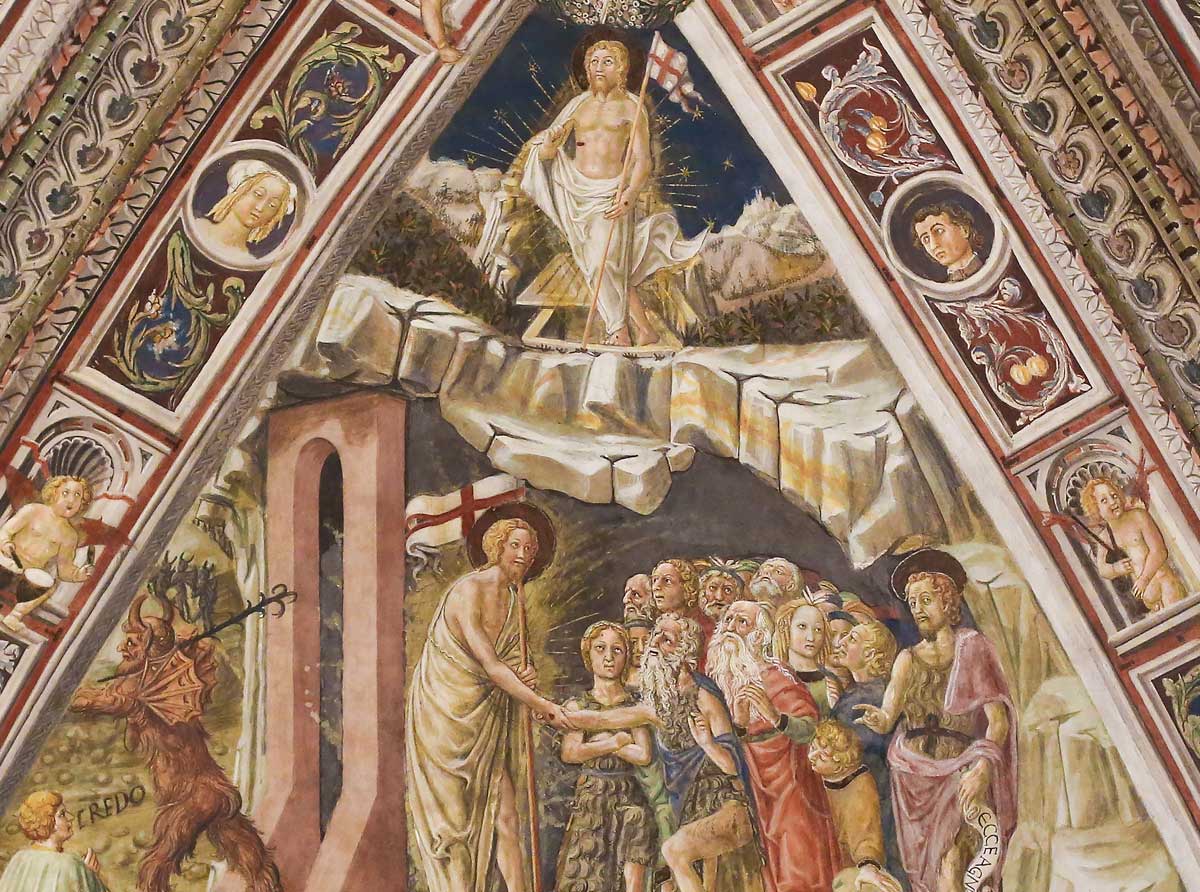
The Transformed Relics of the Fall
on the Fulfillment of History in Christ by Patrick Henry Reardon
15.6—July/August 2002
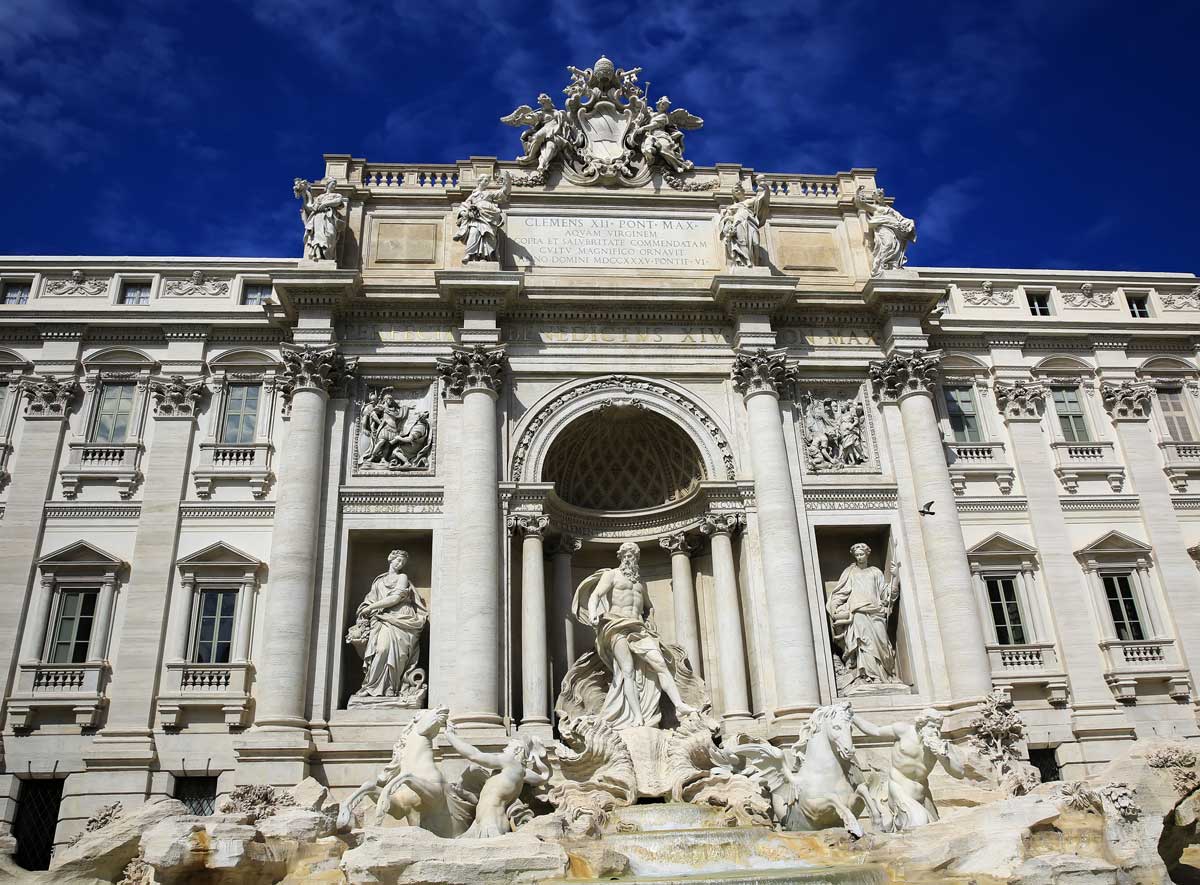
Things Hidden Since the Beginning of the World
The Shape of Divine Providence & Human History by James Hitchcock
more from the online archives
32.5—September/October 2019
on the Inhuman Transformation of Transgenderism by Anthony Esolen
22.8—November/December 2009
on the Real Men Behind the Christmas Carol by Michael Baum

26.1—Jan/Feb 2013
Manly Chastity, Hedonism & the Law of Non-contradiction by Anthony Esolen
calling all readers
Please Donate
"There are magazines worth reading but few worth saving . . . Touchstone is just such a magazine."
—Alice von Hildebrand
"Here we do not concede one square millimeter of territory to falsehood, folly, contemporary sentimentality, or fashion. We speak the truth, and let God be our judge. . . . Touchstone is the one committedly Christian conservative journal."
—Anthony Esolen, Touchstone senior editor
