





Communique
Icons of the Land
Places of Worship on the Road to Iron Nation
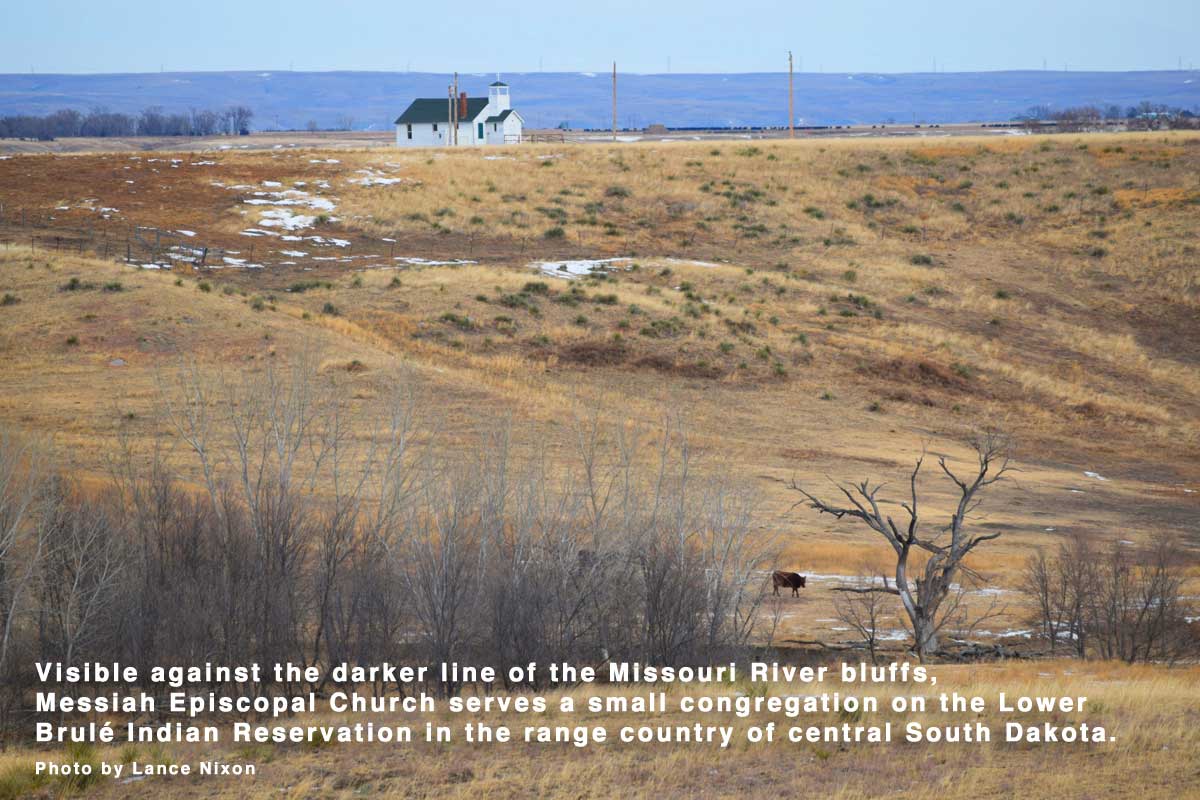
The wind roared through at about 100 miles per hour that night in June 2015. In the Missouri River country of central South Dakota, it punched in the sides of grain bins as though they were pop cans and dragged power lines and poles into fields like a cat playing with knitting needles and yarn. It knocked boards off houses and churches and barns. So, a few days later, while visiting the grave of a Brulé Lakota leader named Iron Nation—one of the "peace chiefs" you will never read about in history books because they didn't make war on the U.S.—I looked up and saw two older parishioners, a man and his wife, using an electric drill to fasten boards back onto the exterior of Messiah Episcopal Church.
I could hear their drilling across the cemetery. I went to visit with them. The woman was Lakota, or western Sioux. She told me she was raised in that congregation. Her husband was raised Lutheran but became Episcopalian after their marriage. Before long, the woman was telling me how that rural church had nourished their family in more ways than one—their five children had teethed on the boards of the pews at one time or another. No wonder the family had grieved when Messiah Episcopal closed in 1981, not quite a century after it had begun. The Episcopal faith had come to the Lower Brulé Sioux in 1871; Messiah Episcopal Church dated back to 1884.
THIS ARTICLE ONLY AVAILABLE TO SUBSCRIBERS.
FOR QUICK ACCESS:
Lance Nixon is a freelance writer based in Pierre, South Dakota, where he attends virtual services of New Life Assembly of God Church and also visits Trinity Episcopal Church virtually. He is also a fiction writer, and his latest stories about the Great Plains appeared in the November 2020 and November 2019 issues of Gray's Sporting Journal.
A Journal of Mere Christianity—Delivered to Your Door
- Essays on theology, culture, and the Church
- Contributors from across the Christian traditions

Six print issues (one year) of Touchstone, plus full online access and PDF downloads for only $39.95.

Get a one-year full-access subscription to the Touchstone online archives for only $19.95.
bulk subscriptions
Order Touchstone subscriptions in bulk and save $10 per sub! Each subscription includes 6 issues of Touchstone plus full online access to touchstonemag.com—including archives, videos, and pdf downloads of recent issues for only $29.95 each! Great for churches or study groups.
Transactions will be processed on a secure server.
more on america from the online archives
29.4—July/August 2016
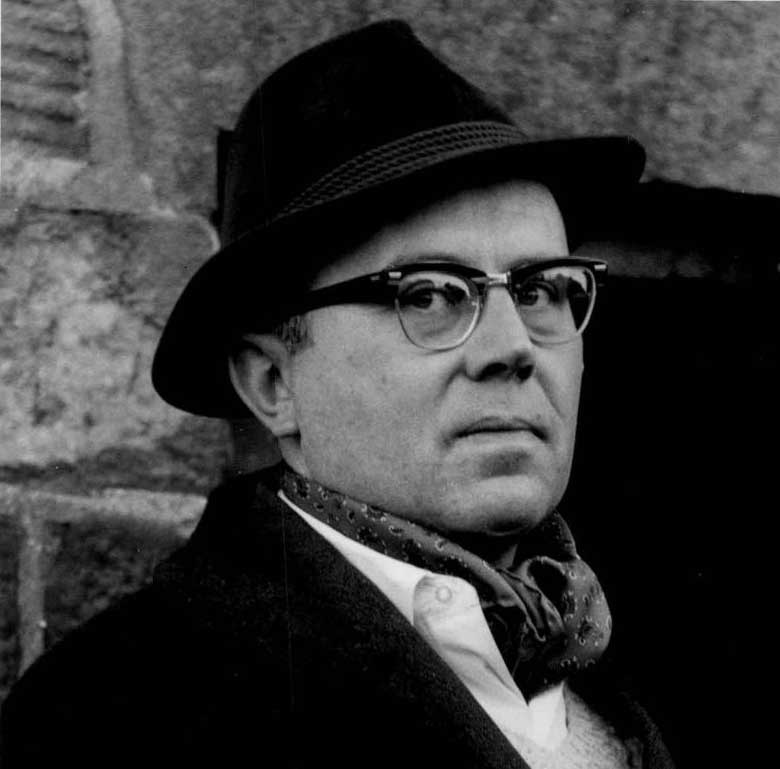
Russell Kirk: American Conservative by Bradley J. Birzer by Hunter Baker
29.2—March/April 2016
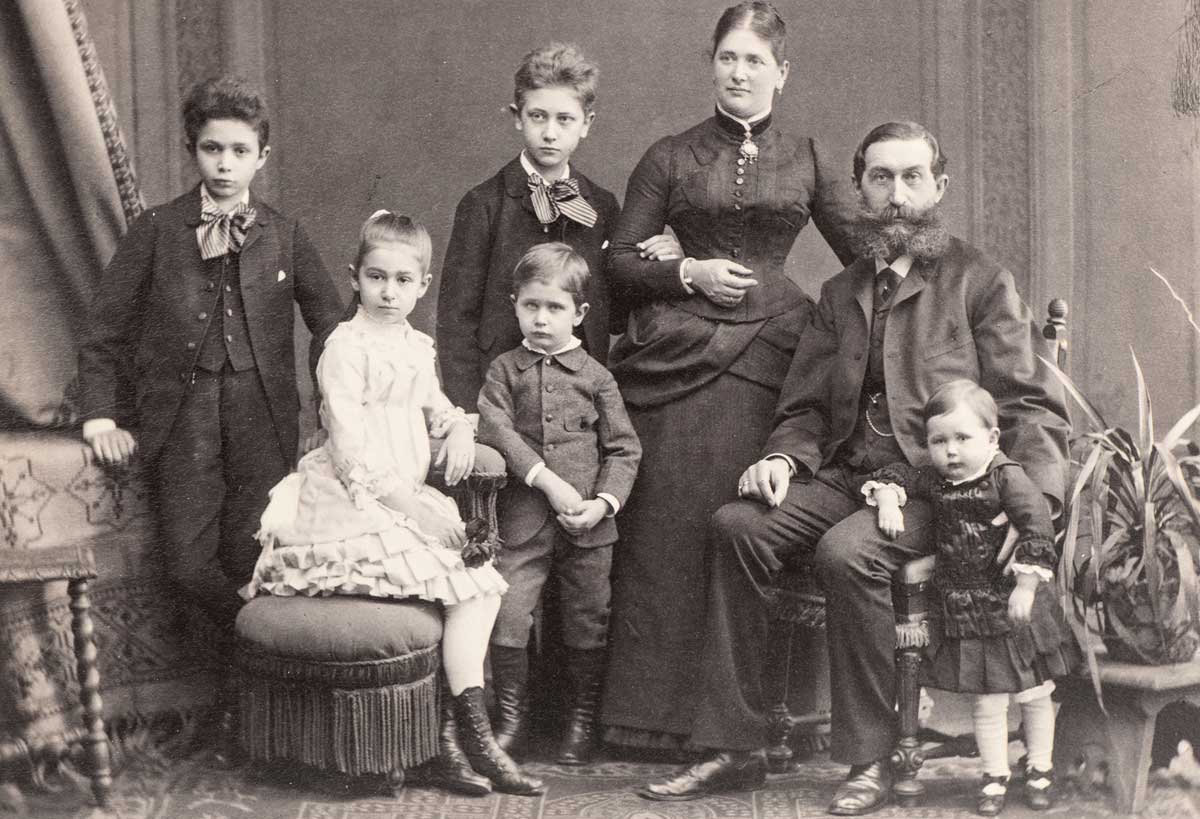
The History of Family Strength in America May Reveal Good News by Allan C. Carlson

30.5—Sept/Oct 2017
The Christian Cure for What Ails Modern Politics by David Bradshaw
more from the online archives
32.1—January/February 2019
The Diabolical Failure of Leaders in the Present Crises by James M. Kushiner

18.4—May 2005
The Idylls, Idols & Devils That Corrupt the Moral Imagination by Vigen Guroian

17.6—July/August 2004
Old Science Confronts a Formidable Challenge in the Scientific ID Movement by Jay W. Richards
calling all readers
Please Donate
"There are magazines worth reading but few worth saving . . . Touchstone is just such a magazine."
—Alice von Hildebrand
"Here we do not concede one square millimeter of territory to falsehood, folly, contemporary sentimentality, or fashion. We speak the truth, and let God be our judge. . . . Touchstone is the one committedly Christian conservative journal."
—Anthony Esolen, Touchstone senior editor
