





View
Judge Not
David C. Brenner on Being the Biggest Sinner in the Room
Many of us have been graced by the presence of “the smartest person in the room,” the guy or gal whom everyone else invariably defers to because of his or her towering intellect, awe-inspiring wisdom, or extraordinary insight. Perhaps, like me, you’re just a bit envious of that person, and even aspire yourself to the lofty role of being the “smartest person in the room.”
I propose, instead, that we set our sights on being “the biggest sinner in the room.” While some of us are naturally gifted as sinners, and would jump at the chance to compete for such a distinction, that’s not what I have in mind—although I’m all for setting attainable goals.
Rather, I am suggesting that, in any room or situation we find ourselves in, whether murderer’s row at San Quentin, a crack house, a convention of abortion “doctors,” or even a gathering of television evangelists, we think of ourselves as the baddest of the bad.
Why? Well, for one thing, it would be true, since it is consistent with what we know about ourselves and what we know about those around us. And yes, it is true even when we find ourselves in a room full of politicians or the most notorious serial killers. (Admittedly, the two groups may be hard to distinguish.)
How can that be? Because even if we haven’t committed the physical act of murder, no doubt you and I have killed hundreds of people in our thoughts, making us as bad as or worse than the most notorious known killers.
Sins of the Mind
A fundamental principle of Scripture is that any thought that leads up to or contributes to the breaking of a commandment is itself forbidden by that same commandment. This idea is underscored when Jesus admonishes, “But I tell you that anyone who looks at a woman lustfully has already committed adultery with her in his heart” (Matt. 5:28). Similarly, he seems to equate the consequences of hatred with those of murder when he warns that anyone who is “merely” angry with his brother (or sister) is in danger of hell-fire (Matt. 5:20–22).
As predecessors to evil acts, wicked thoughts earn God’s just disapprobation. Jesus’ teaching on the dangers of sins of the mind isn’t a New Covenant innovation—the same teaching appears in the Mosaic Law’s “top ten.” The Tenth Commandment—“Thou shall not covet”—explicitly forbids sins of the mind, thereby signaling mankind’s tendency toward external legalism. Indeed, if God’s law hadn’t specified that even evil thoughts are offensive to him, it would be easy to conclude that secretly toying with and nurturing sin is fine—as long as we don’t act on it.
Yet even God’s explicit prohibition against the harboring of sinful thoughts and desires didn’t keep Israel from practicing a show religion that was utterly at odds with the meaning and spirit of the Law. Quoting the prophet Isaiah, Jesus exclaims, “These people honor me with their lips, but their hearts are far from me” (Matt. 15:8).
Given our propensity for the internal, hidden sins of the heart, it’s a given that, by the time we reach adulthood, all of us have broken all of the Ten Commandments innumerable times. It stands to reason that our intimate knowledge of our own lawbreaking far outweighs what we know about the sins committed by even the most prolific of “external sinners.”
David C. Brenner is a writer who lives in northern Virginia with his wife and three sons. He attends Potomac Hills Presbyterian Church in Leesburg.
A Journal of Mere Christianity—Delivered to Your Door
- Essays on theology, culture, and the Church
- Contributors from across the Christian traditions

Six print issues (one year) of Touchstone, plus full online access and PDF downloads for only $39.95.

Get a one-year full-access subscription to the Touchstone online archives for only $19.95.
bulk subscriptions
Order Touchstone subscriptions in bulk and save $10 per sub! Each subscription includes 6 issues of Touchstone plus full online access to touchstonemag.com—including archives, videos, and pdf downloads of recent issues for only $29.95 each! Great for churches or study groups.
Transactions will be processed on a secure server.
more on christianity from the online archives
30.2—March/April 2017
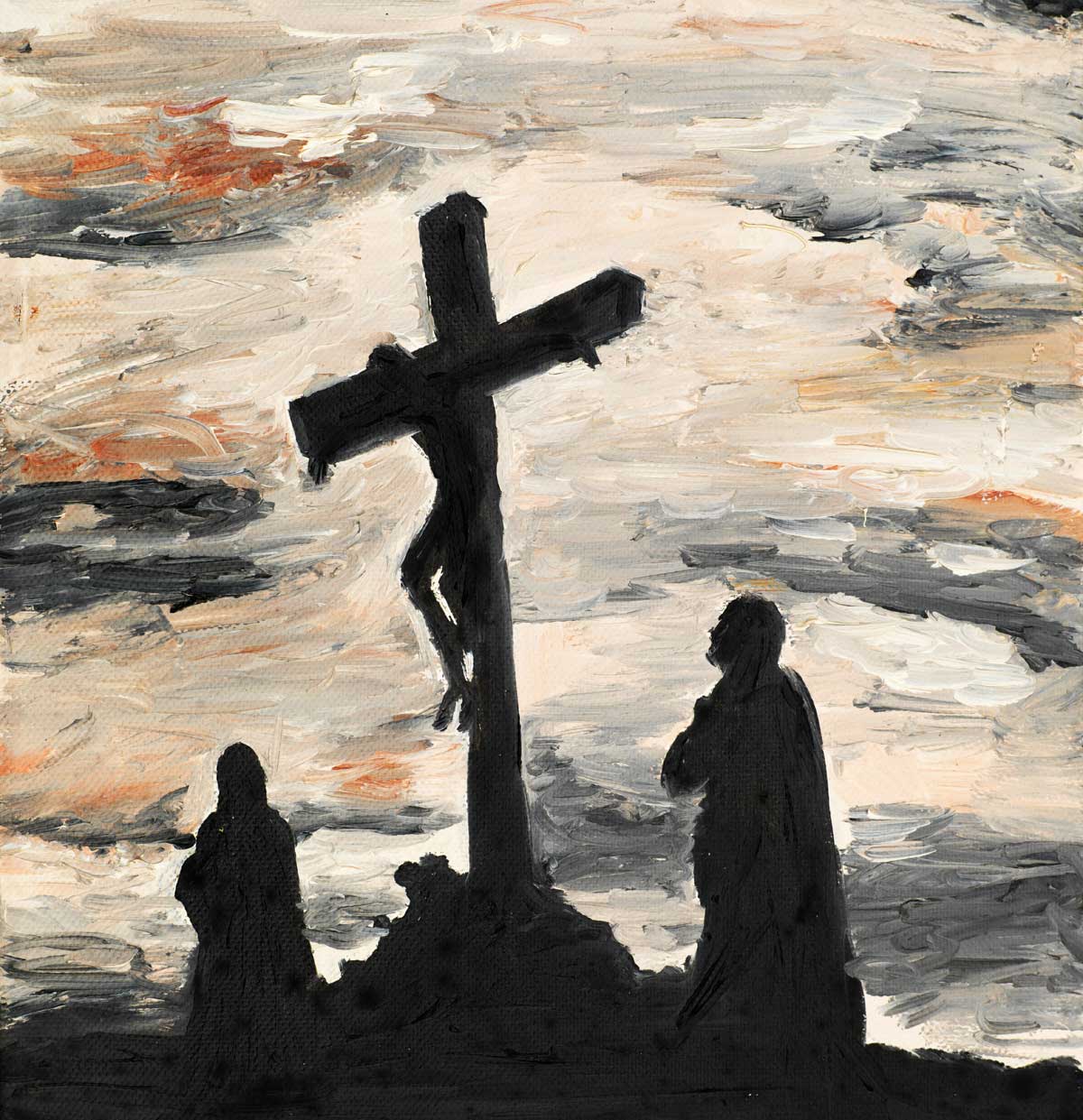
Our Path to Holiness Runs Straight Through Calvary by Robin Phillips

18.10—December 2005
on an Apostle’s Encounter with the Son’s Children by Anthony Esolen
8.4—Fall 1995
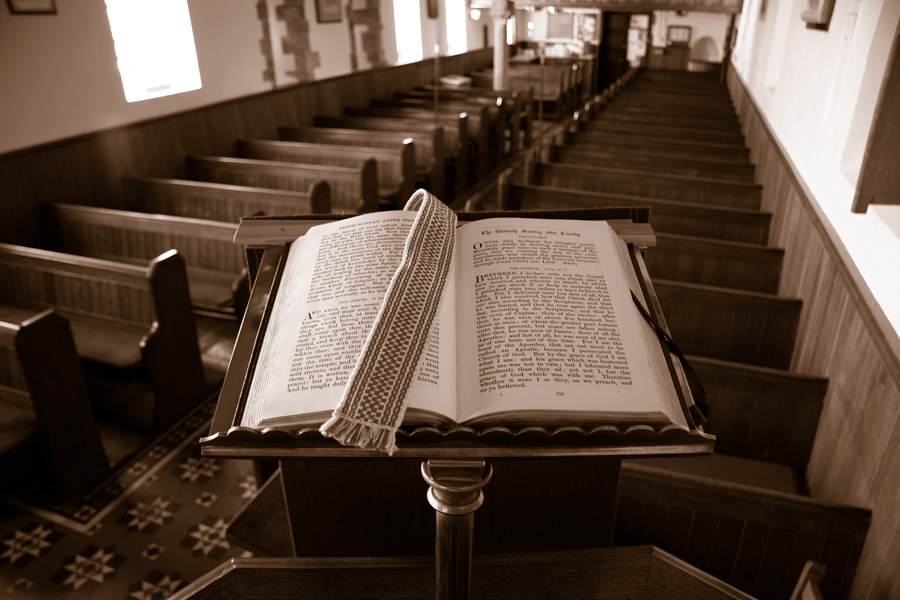
The Demise of Biblical Preaching
Distortions of the Gospel and its Recovery by Donald G. Bloesch
more from the online archives

31.6—November/December 2018
on Childhood Encounters with a Christmas Icon by Rebecca Sicree
30.2—March/April 2017
Our Path to Holiness Runs Straight Through Calvary by Robin Phillips
calling all readers
Please Donate
"There are magazines worth reading but few worth saving . . . Touchstone is just such a magazine."
—Alice von Hildebrand
"Here we do not concede one square millimeter of territory to falsehood, folly, contemporary sentimentality, or fashion. We speak the truth, and let God be our judge. . . . Touchstone is the one committedly Christian conservative journal."
—Anthony Esolen, Touchstone senior editor
