




Column
As It Is
Written . . .
The Light in the Darkness
When, on the occasion of the arrest of Peter and John, the Church assembled to pray, a chief component in the prayer was the second psalm. That psalm was chosen, obviously, because it spoke of a collusion of God's enemies against his Messiah: "The kings of the earth rise up and the princes come together against the Lord and against his Anointed One." In the arrest of her two notable apostles, the Church recognized the very collusion described in the psalm: "For truly against your holy servant (pais) Jesus, whom you anointed, both Herod and Pontius Pilate, along with the Gentiles and the people of Israel, have gathered together" (Acts 4:27–28). This meaning was—and is—
perfectly plain.
What is perhaps not so plain—a point, indeed, that begs for explanation—is the particular and striking way the Church invoked God at the beginning of the prayer: "Lord, you are he that made heaven and earth and the sea, and all that is in them" (4:24). Why, in the context of this prayer, where the historical circumstance is very specific, do we find this direct and explicit attention to God as the universal Creator? What was there about the arrest of Peter and John that prompted the Church to introduce the doctrine of Creation?
Universal & Restrictive
This question uncovers, I believe, the relationship joining the Church's Christological faith to the form of monotheism she inherited from Israel. The Jews of the Second Temple did not just believe in and worship one God. They believed in and worshipped a particular and identifiable God—namely, the God who created all things. Israel's God, they were persuaded—the God of the Exodus and the Covenant—was also the Lord and Ruler of all mankind, because he was the universal Creator.
That is to say, the monotheism of the Second Temple was both universal and restrictive. It was universal inasmuch as it worshiped the Creator who was, by a righteous claim, the God of the whole human race. It was restrictive in the sense that only Israel knew this unique God. The rest of the human race was plunged in idolatry, a darkness rebellious against the light.
Two New Testament sources direct attention to this dark rebellion against the Creator: John and Paul. We may consider them in turn.
St. John speaks of this hostile darkness when he describes the revelatory light God put into the world by its creation through the Logos: "All things were made through him, and without him nothing was made that was made." God's Logos, John goes on, was not a static and ideal form in creation but a living, revelatory presence. "In him was life," he writes. God the Creator, through his living and abiding Logos, continued to reveal himself to the human race: "The life was the light of men" (John 1:4).
This living light, however, shines forth in a hostile environment, inasmuch as "everyone who does evil hates the light and does not approach the light" (3:20). This darkness is far from neutral: "The light shines in the darkness (skotia), but the darkness avto ou katelaben." This last clause is ambivalent in the sense that it has two meanings. It declares both that "the darkness (skotia) did not conquer the light" and that "the darkness did not apprehend the light" (1:5).
St. Paul speaks of this hostile darkness when he describes the failure of men to discern the truth God reveals in the created order. Paul speaks of "all ungodliness and unrighteousness of men, who suppress the truth in unrighteousness." Because God's "invisible aspects (ta aorata) are perceived (kathoratai), being understood (nooumena) by the things that are made," writes Paul, these men "are without excuse." Although they did, in fact, "know God (gnontes ton Theon) . . . their foolish heart was darkened (eskotishe)" (Rom. 1:18–21).
John and Paul, in the course of their extensive ministries, had met this darkness many times. They understood the frustration of preaching the greater light of the gospel to men already resistant to the light revealed in creation.
Patrick Henry Reardon is pastor emeritus of All Saints Antiochian Orthodox Church in Chicago, Illinois, and the author of numerous books, including, most recently, Out of Step with God: Orthodox Christian Reflections on the Book of Numbers (Ancient Faith Publishing, 2019).
A Journal of Mere Christianity—Delivered to Your Door
- Essays on theology, culture, and the Church
- Contributors from across the Christian traditions

Six print issues (one year) of Touchstone, plus full online access and PDF downloads for only $39.95.

Get a one-year full-access subscription to the Touchstone online archives for only $19.95.
bulk subscriptions
Order Touchstone subscriptions in bulk and save $10 per sub! Each subscription includes 6 issues of Touchstone plus full online access to touchstonemag.com—including archives, videos, and pdf downloads of recent issues for only $29.95 each! Great for churches or study groups.
Transactions will be processed on a secure server.
more from the online archives

27.5—Sept/Oct 2014
on Growing Vegetables as a Primer in Moral Philosophy by Rachel Lu
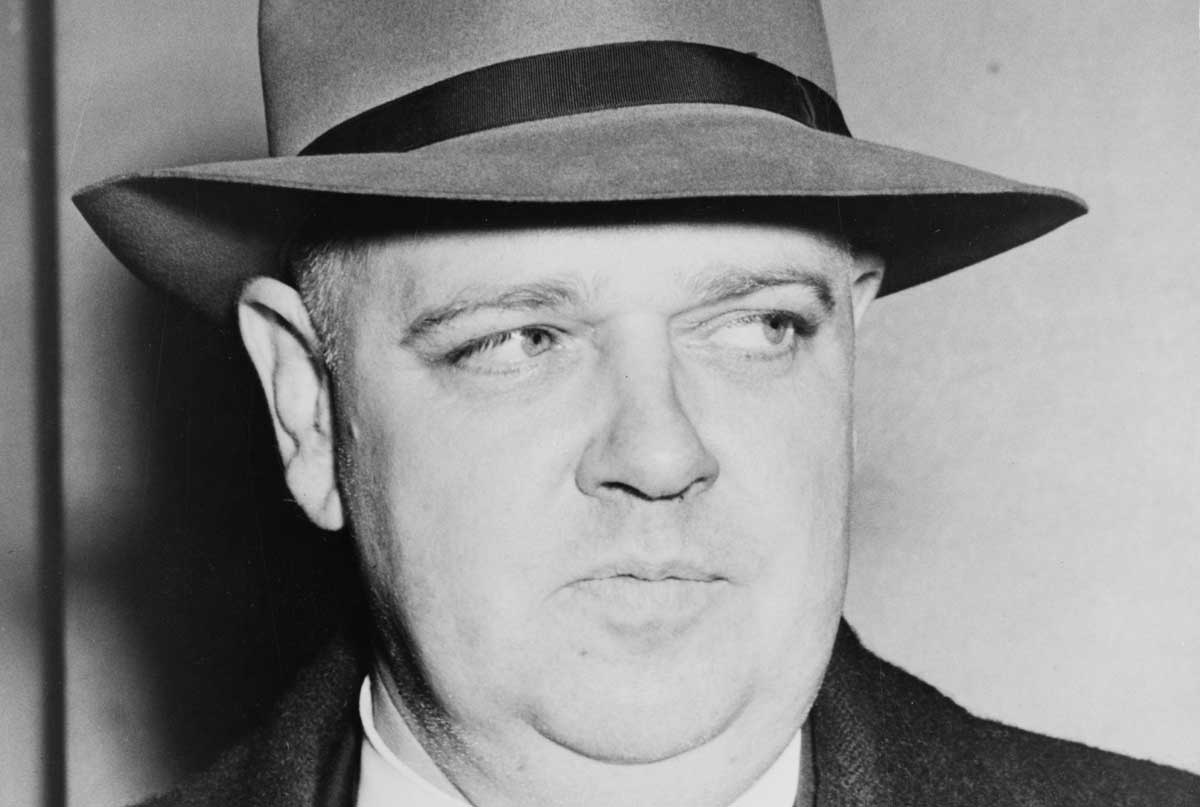
28.3—May/June 2015
Whittaker Chambers's Lonely War Against Godless Collectivism by Hunter Baker

28.1—January/February 2015
on State Impositions & Church Acquiescence by Stephen Baskerville
calling all readers
Please Donate
"There are magazines worth reading but few worth saving . . . Touchstone is just such a magazine."
—Alice von Hildebrand
"Here we do not concede one square millimeter of territory to falsehood, folly, contemporary sentimentality, or fashion. We speak the truth, and let God be our judge. . . . Touchstone is the one committedly Christian conservative journal."
—Anthony Esolen, Touchstone senior editor
