




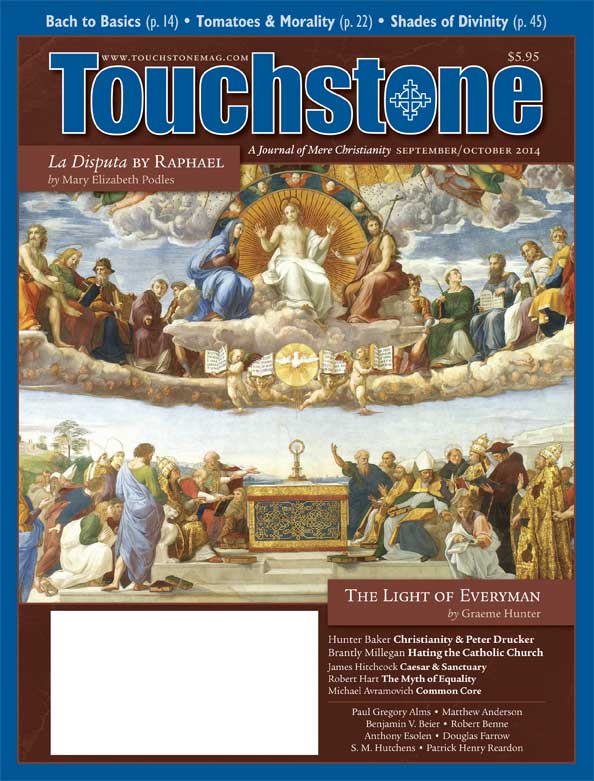
Vineyard of the Son
A theology of the Atonement would be incomplete, I think, without a thorough treatment of the Parable of the Vine Growers in Mark 12:1–12. Here, however, I propose to limit these comments to Jesus' introduction—in the subsequent development of the story—of "the stone the builders rejected." According to Mark, Jesus says to his enemies, "Have you not even read this Scripture: 'The stone the builders rejected / Has become the chief cornerstone. / This is the Lord's doing, / And it is marvelous in our eyes'?"
The parable's transition from a "son" to a "stone"—a bit of a stretch, not only in English, but also in the inspired Greek text—makes perfect sense when traced to the Hebrew wording of the psalm Jesus quotes. In Hebrew a "son" is a ben, and a "stone" is an 'eben. In fact, this play on words appears repeatedly in the Targumic literature related to Psalm 118 (Greek 117).
Several observations are in order with respect to this sudden quotation from the Book of Psalms: First, Jesus may have been somewhat preoccupied with this psalm during the last week of his life. According to Mark's chronological sequence, the enthusiastic crowd cited this psalm with respect to Jesus on Sunday (Mark 11:9), and, in the context of the parable, Jesus quotes it again on Tuesday of Holy Week.
Associated with David
Second, an ancient Jewish interpretation of this psalm identifies young David as the son, or stone, originally "rejected" among the sons of Jesse. He was, after all, the youngest boy, so that his father did not even invite him to the messianic "rehearsal" with the prophet Samuel, as described in 1 Samuel 16. At some point in the history of this psalm, it was understood as a celebration of David's improbable rise to the monarchy.
The association of David with this psalm explains the acclaim of the crowd on Palm Sunday: "Blessed is he that comes in the name of the Lord! Blessed is our father David's kingdom that comes in the name of the Lord!" Jesus' association with David appears one more time in his Holy Week confrontations with his enemies. He finishes these confrontations by declaring, "How is it that the scribes say that the Messiah is the Son of David? . . . David himself calls him 'Lord'; how can he be his Son?" (Mark 12:35,37).
Prophecy of Rejection
Third, the vocabulary in the builders' "rejection" of the chosen stone is consistent with Mark's narrative of the Passion. The relevant verb is apodokimazo. Thus, when the psalm speaks of the "stone the builders rejected (apedokimasan)," the verb picks up an idea Mark introduced in his third prophecy of the Passion, where we learned, "the Son of Man must suffer many things, and be rejected (apodokimasthenai) by the elders and chief priests and scribes" (Mark 8:31).
It is significant that that prophecy immediately followed Peter's confession of Jesus as "the Messiah" (8:29). That confession, repeated by Bartimaeus (10:47–48) and then by the crowd at Jerusalem (11:10), prepared for the crisis during which Jesus told the parable of the Vine Growers. Their plotted murder of the Beloved Son will fulfill Jesus' three prophecies.
Under New Management
Fourth, whereas in the parable in Isaiah 5, the vineyard is destroyed, this is not the case in Jesus' parable. Here the vine growers, not the vineyard, are destroyed. As for the vineyard itself, it is—so to speak—put under new management: "Therefore what will the owner of the vineyard do? He will come and destroy the vine growers, and give the vineyard to others" (Mark 12:9). Israel's current leaders—the men who comprise the Sanhedrin—lose their place of authority over the People of God.
Patrick Henry Reardon is pastor emeritus of All Saints Antiochian Orthodox Church in Chicago, Illinois, and the author of numerous books, including, most recently, Out of Step with God: Orthodox Christian Reflections on the Book of Numbers (Ancient Faith Publishing, 2019).
A Journal of Mere Christianity—Delivered to Your Door
- Essays on theology, culture, and the Church
- Contributors from across the Christian traditions

Six print issues (one year) of Touchstone, plus full online access and PDF downloads for only $39.95.

Get a one-year full-access subscription to the Touchstone online archives for only $19.95.
bulk subscriptions
Order Touchstone subscriptions in bulk and save $10 per sub! Each subscription includes 6 issues of Touchstone plus full online access to touchstonemag.com—including archives, videos, and pdf downloads of recent issues for only $29.95 each! Great for churches or study groups.
Transactions will be processed on a secure server.
more from the online archives

27.6—Nov/Dec 2014
Tales of Forbidden Stereotypes
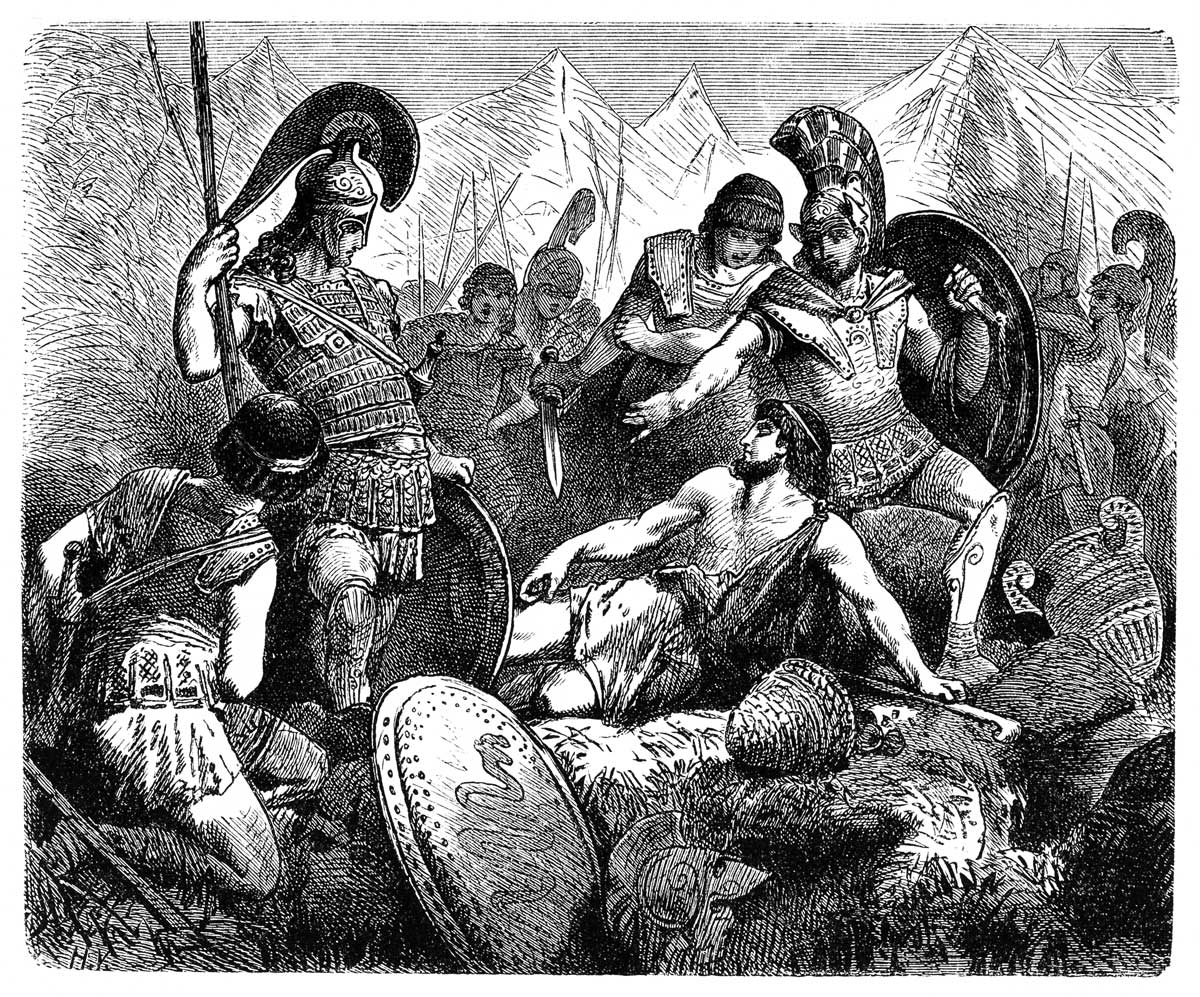
Real-Life Men & Women & the Tragic Loss of Human Comedy by Anthony Esolen
31.6—November/December 2018
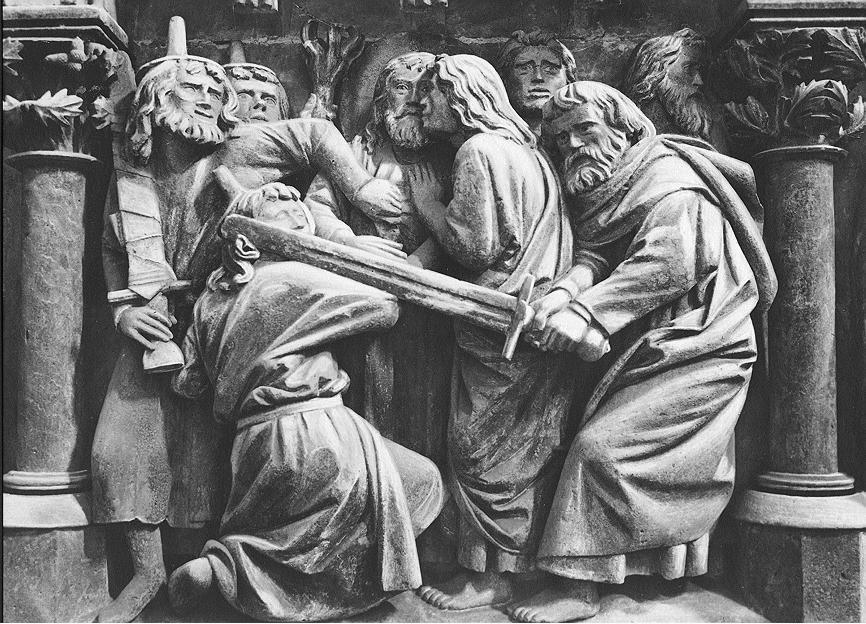
on Futility & the Open Door to Deliverance by Patrick Henry Reardon
calling all readers
Please Donate
"There are magazines worth reading but few worth saving . . . Touchstone is just such a magazine."
—Alice von Hildebrand
"Here we do not concede one square millimeter of territory to falsehood, folly, contemporary sentimentality, or fashion. We speak the truth, and let God be our judge. . . . Touchstone is the one committedly Christian conservative journal."
—Anthony Esolen, Touchstone senior editor
