





A THOUSAND WORDS by Mary Elizabeth Podles
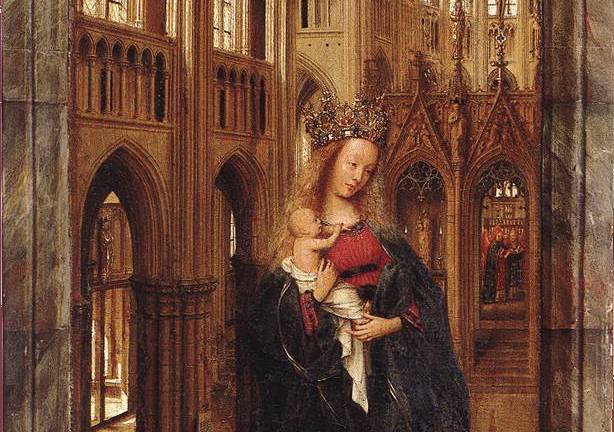
Jan van Eyck's The Madonna in a Church
We are so accustomed to oil paintings that we seldom give the medium a second thought: it is essentially our default position for Old Master and fine art painting. But it was not always so. The sixteenth-century chronicler and art historian Giorgio Vasari credits Jan van Eyck with the invention of oil painting in the fifteenth century; while this is not strictly true, Van Eyck's mastery of the oil technique probably made Italian painters aware of its range of possibilities for the first time. It is worth a look.
In early Italian and Byzantine painting, the colored pigments were bound to their support with an admixture of egg yolk, which any washer of dishes can tell you is a tenacious substance, but one which by nature is rather opaque. When linseed or some other oil was substituted for the egg, pigments became transparent and could, once dry, be overlaid with other transparent colors for a nuanced richness and luminosity not before possible.
THIS ARTICLE ONLY AVAILABLE TO SUBSCRIBERS.
FOR QUICK ACCESS:
Mary Elizabeth Podles is the retired curator of Renaissance and Baroque art at the Walters Art Museum in Baltimore, Maryland. She is the author of A Thousand Words: Reflections on Art and Christianity (St. James Press, 2023). She and her husband Leon, a Touchstone senior editor, have six children and live in Baltimore, Maryland. She is a contributing editor for Touchstone.
A Journal of Mere Christianity—Delivered to Your Door
- Essays on theology, culture, and the Church
- Contributors from across the Christian traditions

Six print issues (one year) of Touchstone, plus full online access and PDF downloads for only $39.95.

Get a one-year full-access subscription to the Touchstone online archives for only $19.95.
bulk subscriptions
Order Touchstone subscriptions in bulk and save $10 per sub! Each subscription includes 6 issues of Touchstone plus full online access to touchstonemag.com—including archives, videos, and pdf downloads of recent issues for only $29.95 each! Great for churches or study groups.
Transactions will be processed on a secure server.
more on art from the online archives
32.4—July/August 2019
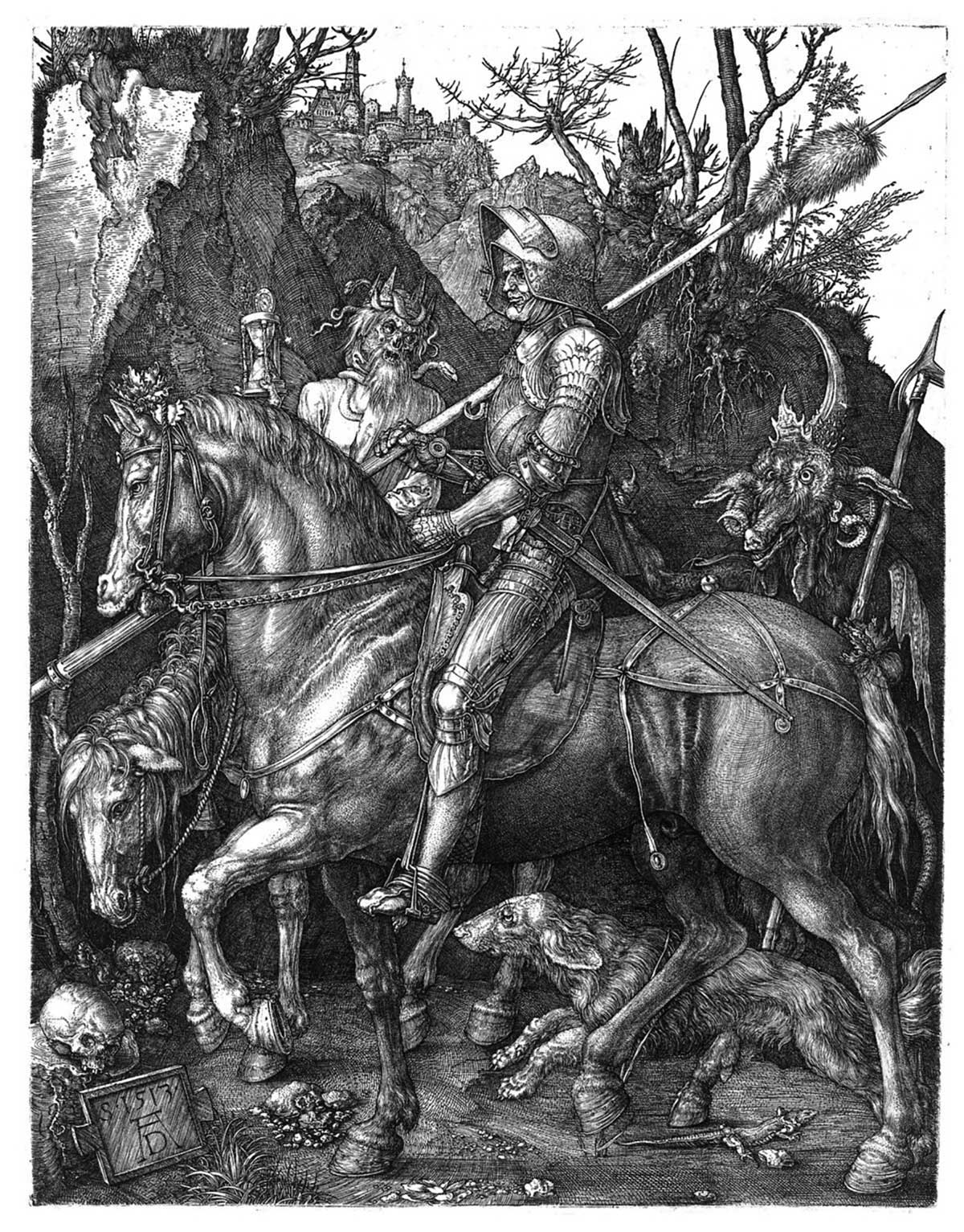
on Single-Mindedness in Durer's Ritter, Tod, und Teufel by Anthony Costello
33.2—March/April 2020
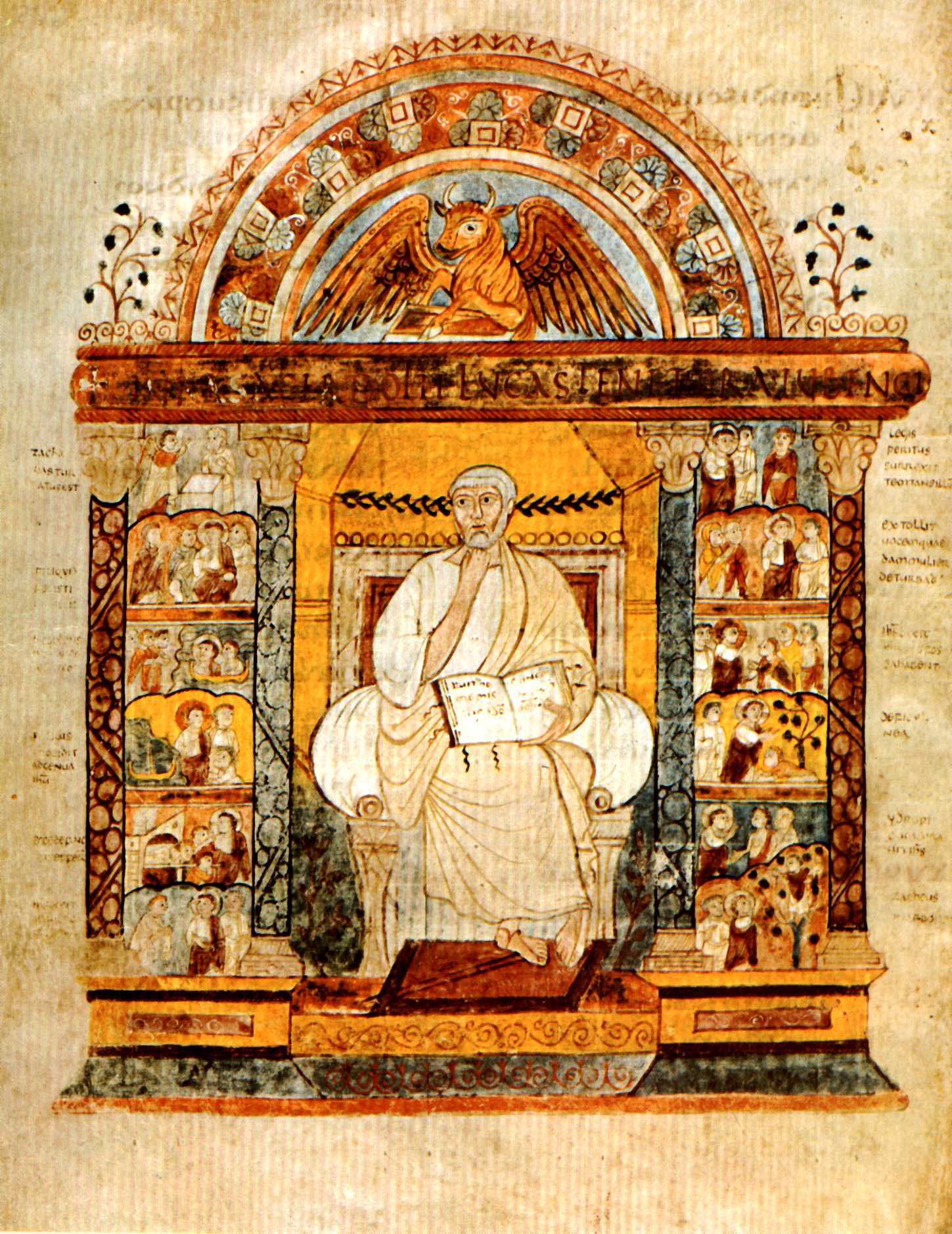
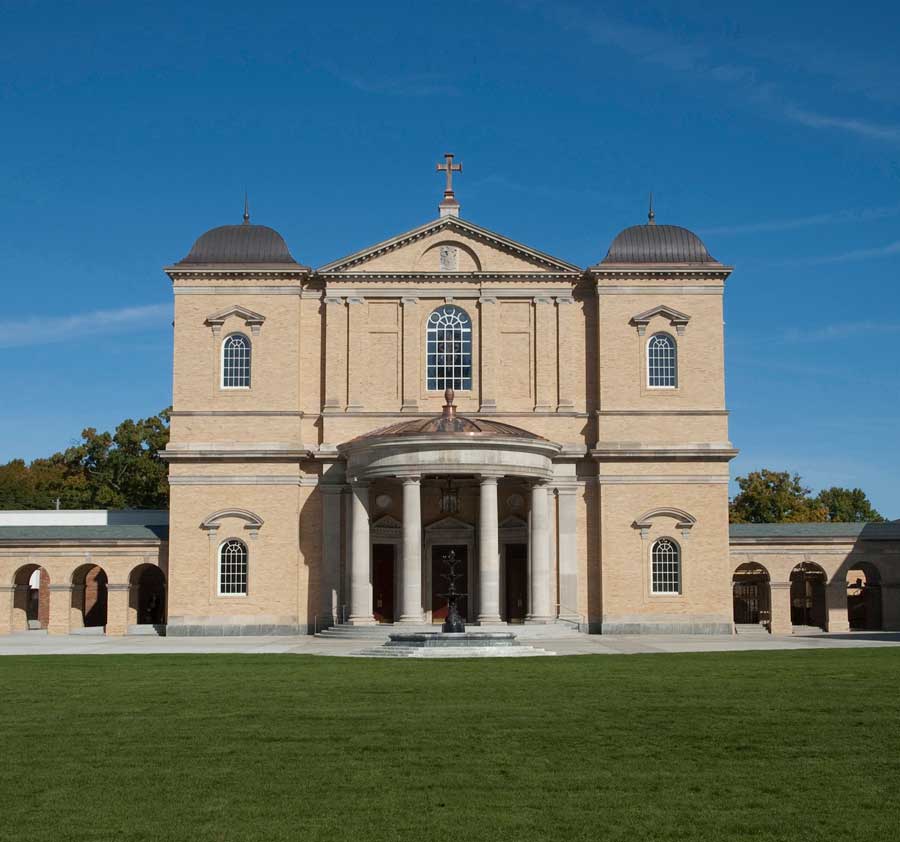
An Architectural Sign of Mere Christianity by Michael Ward
more from the online archives


22.8—November/December 2009
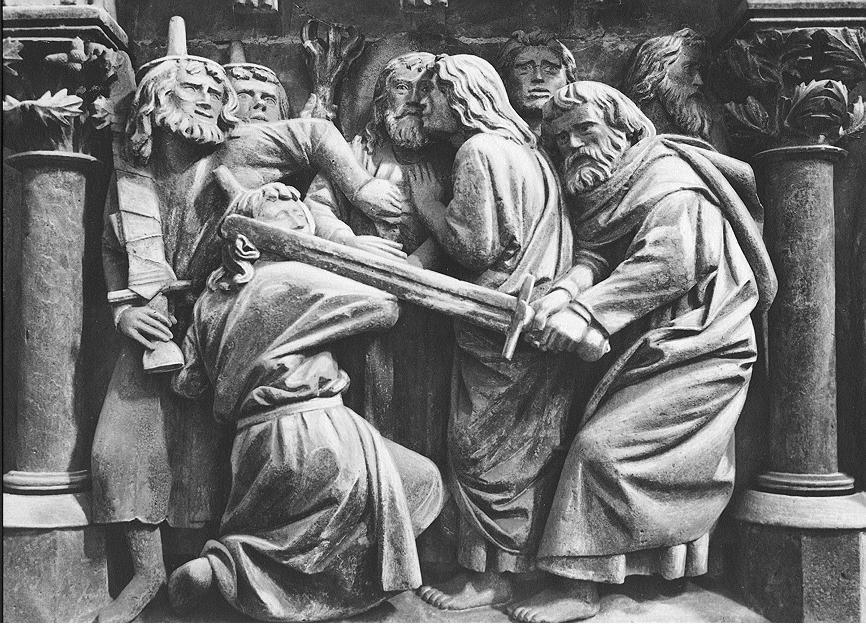
Looking for Beauty & Justice 150 Years After Darwin’s Classic by Charles Taliaferro
calling all readers
Please Donate
"There are magazines worth reading but few worth saving . . . Touchstone is just such a magazine."
—Alice von Hildebrand
"Here we do not concede one square millimeter of territory to falsehood, folly, contemporary sentimentality, or fashion. We speak the truth, and let God be our judge. . . . Touchstone is the one committedly Christian conservative journal."
—Anthony Esolen, Touchstone senior editor
