





A Thousand Words
Trinity
by Andrei Rublev
by Mary Elizabeth Podles
Some time in the early years of the fifteenth century, the painter Andrei Rublev produced this icon of the Trinity, possibly for the church of the Monastery of the Holy Trinity, which he himself had entered at an early age. I say "produced" rather than painted, because to an Orthodox iconographer, it is the Holy Spirit who inspires any sacred image, and the painter who transcribes it with his hands. Thus, the iconographer would never sign a painting as being by Andrei Rublev, but rather by the hand of Rublev.

Andrei Rublev's Triinity
Ideally, too, an iconographer should be a man of prayer who leads a holy life; at least in Rublev's case, this happened to be true, and he is recognized by the Orthodox Church as a saint. But good intentions, alas, do not always produce good art. It is also extremely fortunate that Andrei Rublev was an exceptionally gifted painter. A few words about this, his most famous icon, might begin to demonstrate the depth of his talents.
One, and Also Three
On a narrative level, Rublev shows us the visit of the three mysterious strangers to Abraham at the Oak of Mamre. Though they are three, Abraham recognizes them to be one, prostrates himself and speaks as he would to the Lord. Thus, from the first manifestation of the Godhead to the first patriarch, God is recognized as one in three. While Rublev does depict the three, he encloses them in the abstract shape of a circle that passes over their heads, continues around the shoulders and sides of the flanking figures, and closes beneath their feet. The circle is an ancient symbol of unity, perfection, and eternity, attributes of the one God.
Though they are one, they are also three. Rublev distinguishes between them: God the Father, at the left, is clothed in a royal purple. He raises his hand in a speaking gesture, while the other two incline their heads toward him, both as if listening, and as if lowering their heads in deference. Behind him stands a little house. On a narrative level, it is Abraham's house, but symbolically, it stands for the Father's heavenly mansion, which he has prepared for us.
The figure at the right represents the Holy Spirit. It is generally agreed that colors carry symbolic weight in icon painting, but among scholars, the significance of individual colors is not always a matter of consensus. Most scholars see this angel's clothing as blue and white, representative of the sky and clouds, the celestial realm, while others see blue and a pale green as representing earth and sky, all infused with life by the Spirit.
In any case, the angel in the center is surely meant to be God the Son. Above him is a tree: the Oak at Mamre, but also the Tree of Life, and by implication, the Cross. He wears the traditional red and blue of Jesus' raiment, generally recognized as symbolizing Christ's two natures, the red of the Incarnation and the blue of the celestial and divine. In addition, he makes the gesture of blessing over the sacrificial meal Abraham has prepared.
Usually Christ blesses with two fingers upraised, symbolizing his two natures, and three fingers joined as a symbol of the Trinity. But the Trinity is here, present and visible: the three fingers, then, are tucked away out of sight. The calf's head, the offering of the Old Testament patriarch, sits in a golden chalice like a Eucharistic offering, and if we look at the empty space that surrounds the central figure, it, too, takes on the shape of a chalice enclosing the body of God the Son. So the sacrifice of the Old Order is subsumed into the Eucharist, the offering of the Son contained forever in the invisible chalice surrounding him.
Orders of Time & Eternity
In fact, three orders of time are implied in this icon: the past, in Abraham's sacrifice; the present, in the Eucharist, which is offered every day; and the eternal. The gold of the haloes, the wings, and the background stands for the uncreated light of God, which breaks through into the natural realm in the liturgy and the Eucharist. In the Eucharist, we see in the present moment the same manifestation that Abraham saw for the first time at Mamre. Remember that this icon would have stood between worshiper and altar, like a window onto the heavenly realm.
Mary Elizabeth Podles is the retired curator of Renaissance and Baroque art at the Walters Art Museum in Baltimore, Maryland. She is the author of A Thousand Words: Reflections on Art and Christianity (St. James Press, 2023). She and her husband Leon, a Touchstone senior editor, have six children and live in Baltimore, Maryland. She is a contributing editor for Touchstone.
A Journal of Mere Christianity—Delivered to Your Door
- Essays on theology, culture, and the Church
- Contributors from across the Christian traditions

Six print issues (one year) of Touchstone, plus full online access and PDF downloads for only $39.95.

Get a one-year full-access subscription to the Touchstone online archives for only $19.95.
bulk subscriptions
Order Touchstone subscriptions in bulk and save $10 per sub! Each subscription includes 6 issues of Touchstone plus full online access to touchstonemag.com—including archives, videos, and pdf downloads of recent issues for only $29.95 each! Great for churches or study groups.
Transactions will be processed on a secure server.
more on art from the online archives
32.4—July/August 2019
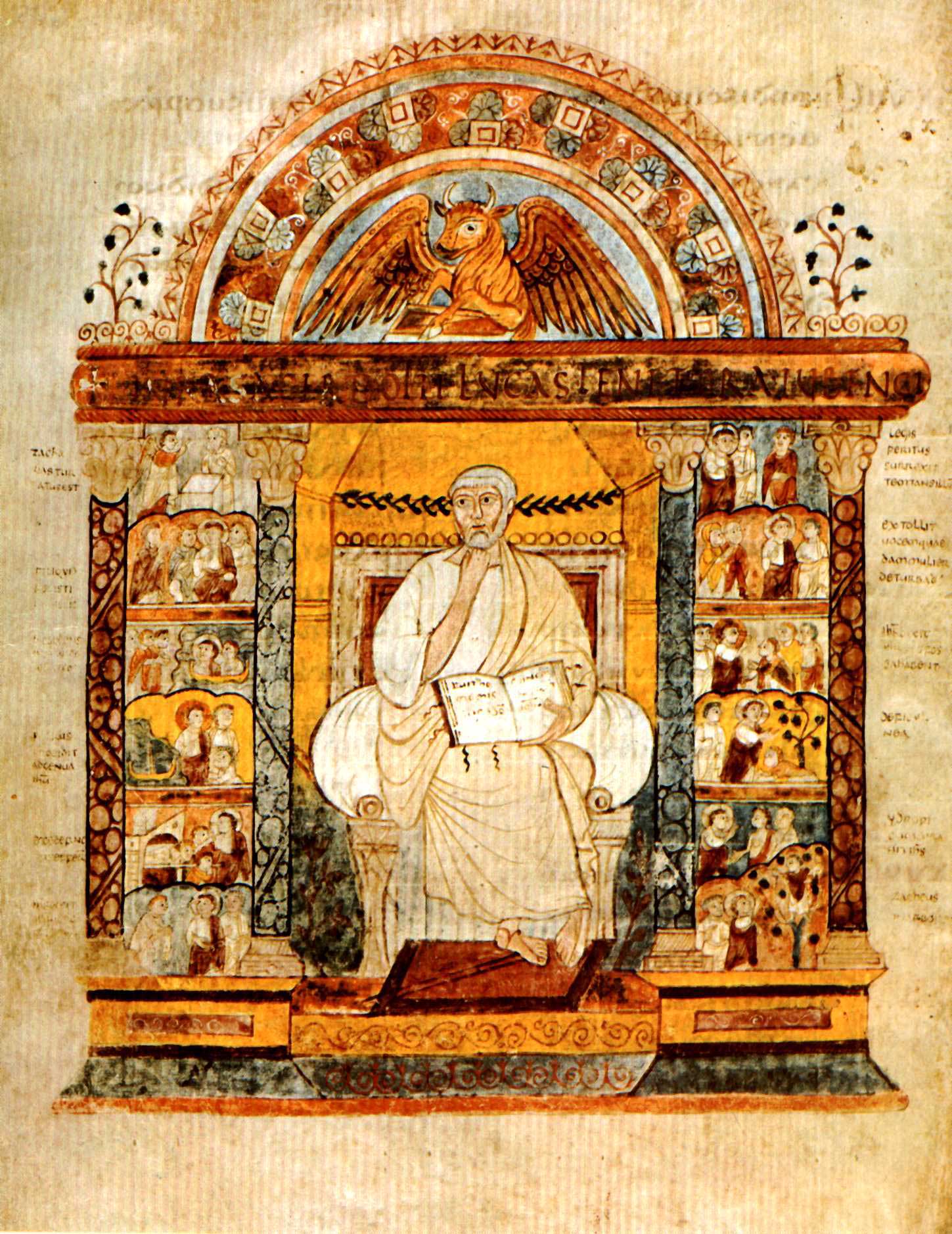
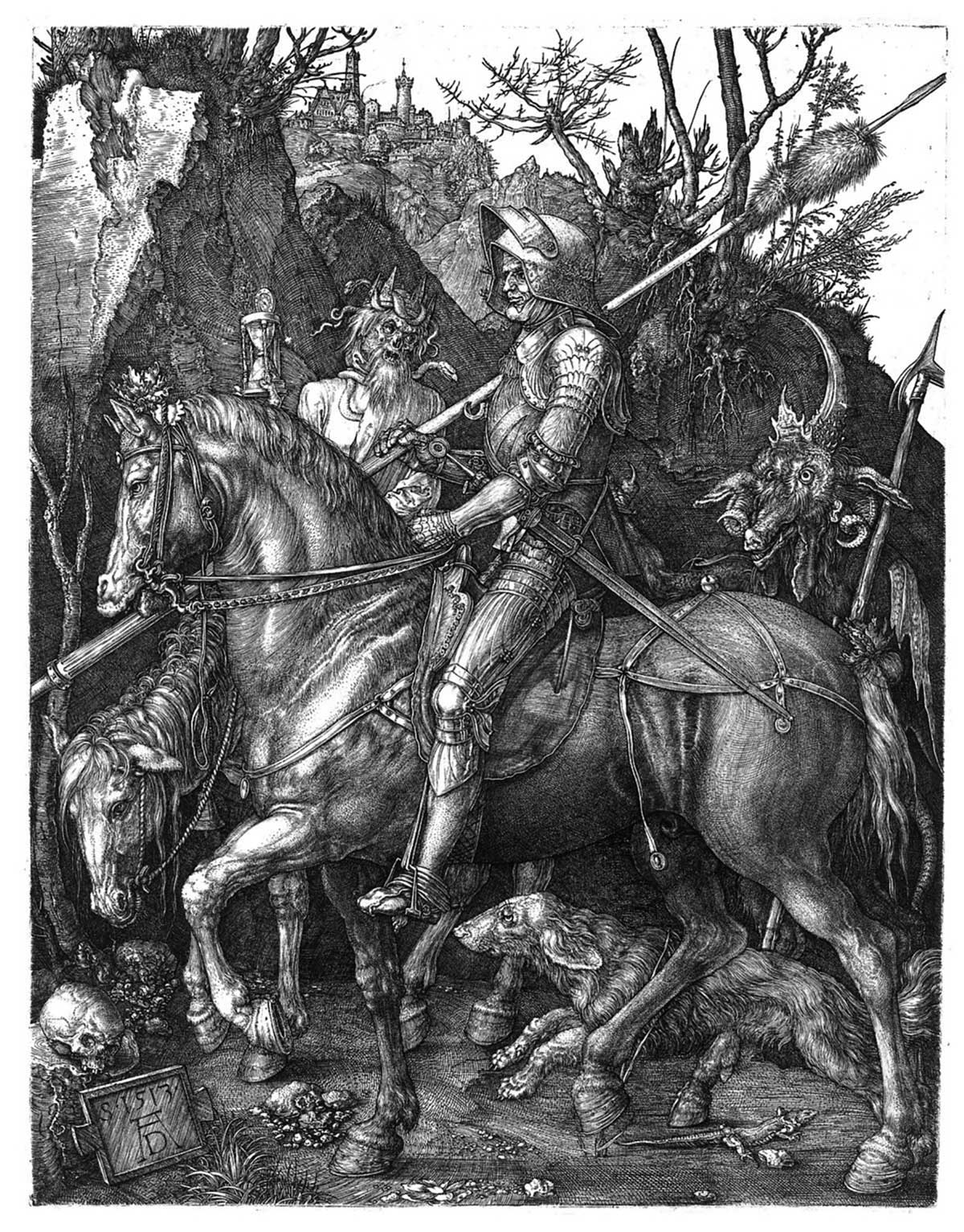
on Single-Mindedness in Durer's Ritter, Tod, und Teufel by Anthony Costello
33.2—March/April 2020
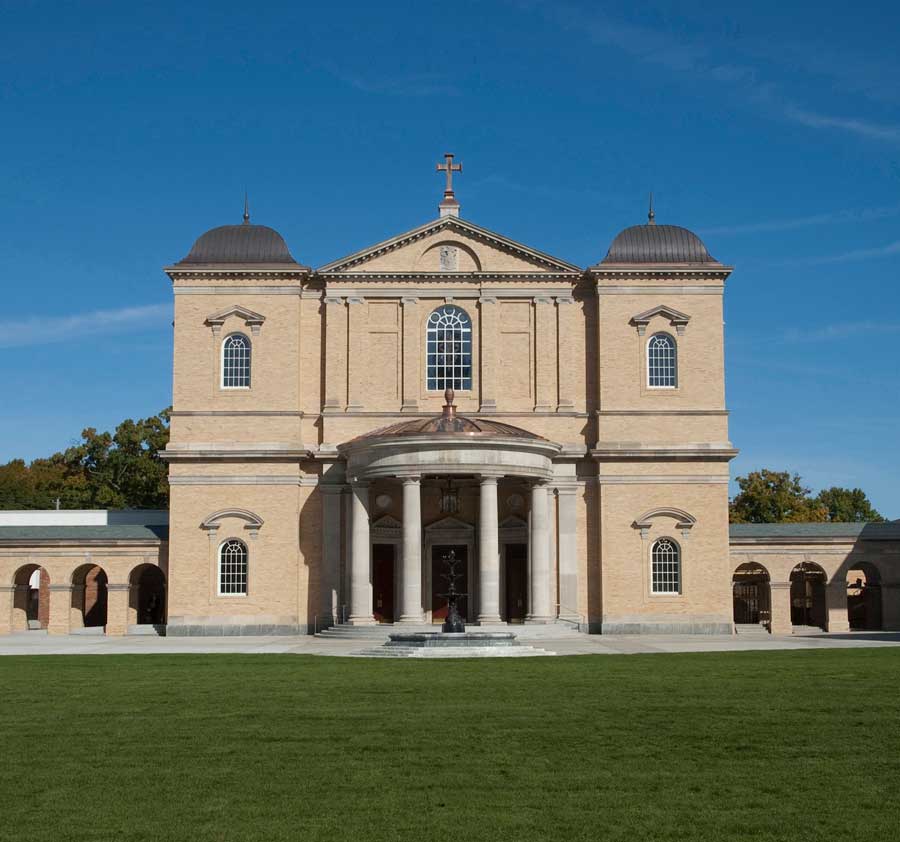
An Architectural Sign of Mere Christianity by Michael Ward
more from the online archives
22.6—July/August 2009
on the Integration of Anger into the Virtuous Life by Leon J. Podles
37.5—Sept/Oct 2024
The Death of Conservatism & the Negative World by J. Douglas Johnson
calling all readers
Please Donate
"There are magazines worth reading but few worth saving . . . Touchstone is just such a magazine."
—Alice von Hildebrand
"Here we do not concede one square millimeter of territory to falsehood, folly, contemporary sentimentality, or fashion. We speak the truth, and let God be our judge. . . . Touchstone is the one committedly Christian conservative journal."
—Anthony Esolen, Touchstone senior editor
