




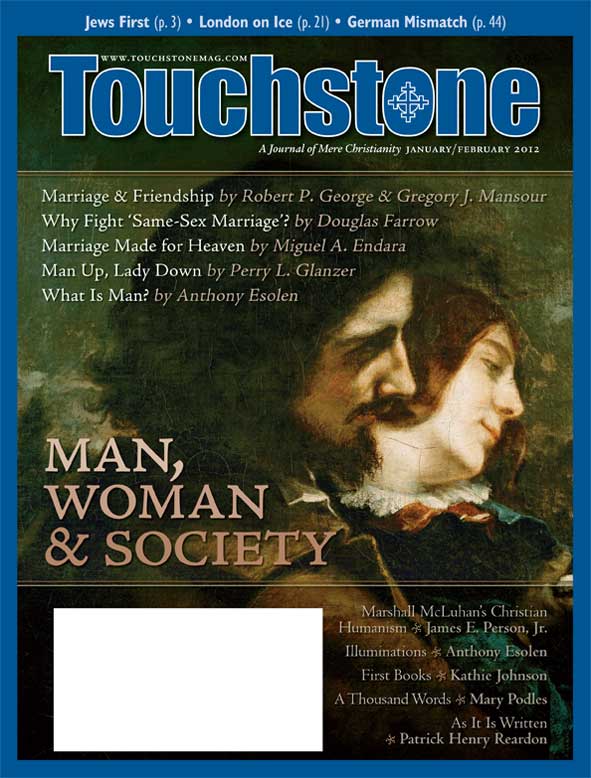
Marriage or Friendship?
Gregory J. Mansour & Robert P. George on Defending Marriage & Not Confusing It with Other Things
No one should be against true friendship, whether friends are of the same sex or opposite sexes. Friendships are good, and they can be very deep and fulfilling. The ideal of friendship as a union of hearts and minds in which each one loves the other’s good as his or her own is beautifully exemplified in the friendship of David and Jonathan: “The soul of Jonathan was knit to the soul of David, and Jonathan loved him as his own soul” (1 Sam. 18:1).
Likewise, friendship was hardly absent from the life of our Lord. Jesus taught the value of ultimate sacrifice in terms of friendship (John 15:13); he wept over the death of his dear friend Lazarus (John 11:35); revealed his innermost self to his apostles in order to transform them from servants into friends (John 15:15); brought Peter, James, and John closer to him than the others (Matt. 17:1; Mark 9:2; Luke 9:28); and was closest of all to the “beloved disciple,” who reclined on his chest at the last supper (John 13:23).
Friendship, however, must not be confused with marriage. While friendships are unions of hearts and minds, marriage by its nature unites hearts, minds, and bodies. While friendships come in different degrees and kinds of commitment, marriage calls for a permanent and exclusive commitment as well as sexual complementarity. While friendships can be shaped by a variety of pursuits, marriage is naturally fulfilled by, and provides the best possible context for, the conception, care, and upbringing of children.
A Comprehensive Union
This is by no means to deny that spouses should be friends. But marriage is more than an especially deep friendship. Marriage, unlike ordinary friendship, is a comprehensive union oriented to procreation. Its unique commitment is sealed, embodied, and renewed by conjugal acts—acts of the sort that are in themselves apt for procreation, though, of course, procreation does not always result from them. When children do come, the loving marital bond of husband and wife offers them the distinctive parental contributions, including the gender role modeling, of both a mother and a father, putting the children’s needs first. The possibility of truly conjugal acts, and thus the possibility of marriage itself, depends on the reproductive complementarity of the sexes.
Marriage, as the Church so beautifully teaches us, has both procreative and unitive significance, and these two dimensions of the overall marital good are connected in a profound way. Marriage obviously serves the noble end of handing on the gift of life. At the same time, marriage, including its sexual dimension, is an end in itself; it fulfills spouses even when they cannot conceive a child.
Just as it is wrong to think of marriage in its sexual dimension as a mere recreational activity that can be detached from its procreative meaning, it is an error to suppose that marital relations are valuable only as a means to conceiving and rearing children. Conjugal acts in their openness to new life are honorable and meaningful in themselves because they truly unite husband and wife as “one flesh”—as Jesus, recalling Genesis, teaches us (Gen. 2:24; Matt. 19:5; Mark 10:8). When the gift of a child comes of the spouses’ “one flesh” union, it is certainly a cause for great joy. Even when a child is not conceived, however, this union expresses and embodies the marriage as something valuable for its own sake.
No Right to the Impossible
The debate about same-sex “marriage” often refers to a “right to marriage” and an opposition to this “right.” The absence of sexual complementarity makes the marriage of two people of the same sex impossible: they cannot realize the procreative sort of union—including the bodily union—distinctive of marriage. Something that is impossible cannot be “denied” to anyone; nor can anyone have a “right” to it.
Moreover, no one has a right to have the law or the institutions of the state call something other than what it is. Truth itself demands that we recognize as marriages only those unions that truly are marriages. Two persons of the same sex can have a deep friendship; they can support and care for each other very much, but that relationship (whether chaste, as it should be, or unchaste) must be called and treated as what, in truth, it is: a deep friendship, not a marriage.
A Journal of Mere Christianity—Delivered to Your Door
- Essays on theology, culture, and the Church
- Contributors from across the Christian traditions

Six print issues (one year) of Touchstone, plus full online access and PDF downloads for only $39.95.

Get a one-year full-access subscription to the Touchstone online archives for only $19.95.
bulk subscriptions
Order Touchstone subscriptions in bulk and save $10 per sub! Each subscription includes 6 issues of Touchstone plus full online access to touchstonemag.com—including archives, videos, and pdf downloads of recent issues for only $29.95 each! Great for churches or study groups.
Transactions will be processed on a secure server.
more on marriage from the online archives

28.1—January/February 2015
on State Impositions & Church Acquiescence by Stephen Baskerville
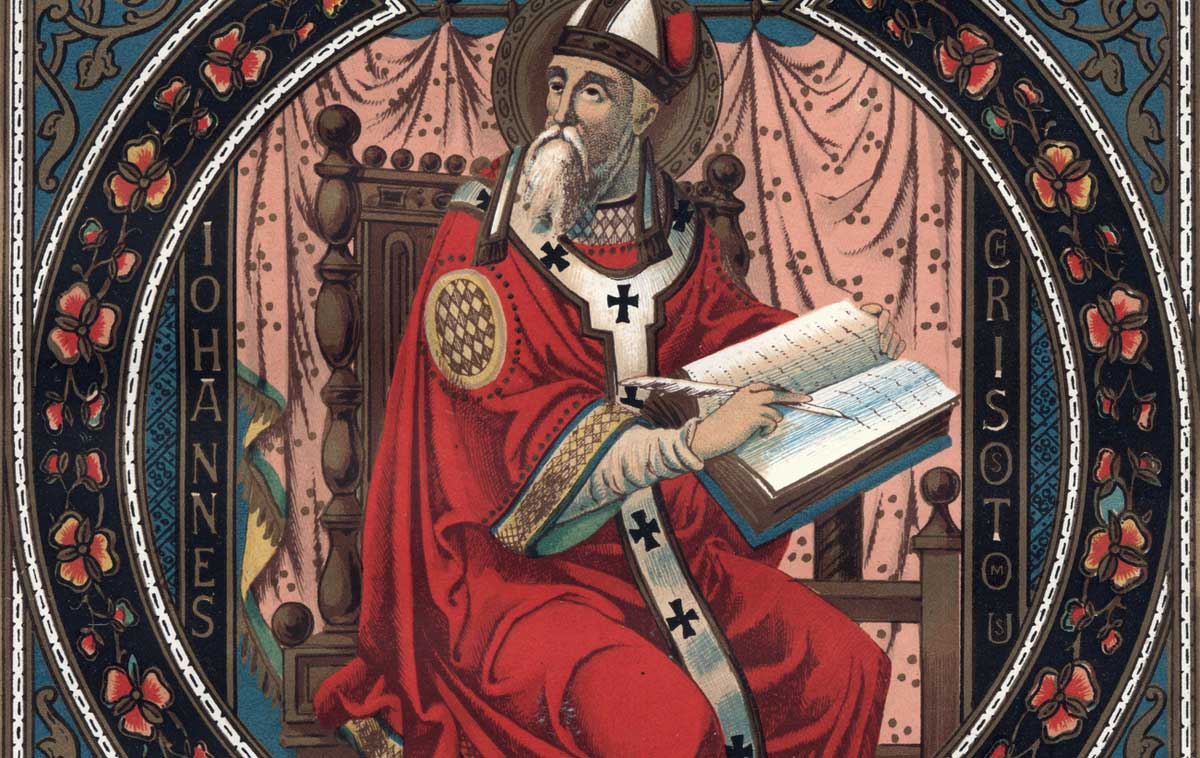
21.1—January/February 2008
John Chrysostom’s Discovery of the Blessings & Mysteries of Marriage by Mike Aquilina

24.1—January/February 2011
Marriage Thrives in Reality, Not in Our Dreams by Nathan Schlueter
more from the online archives
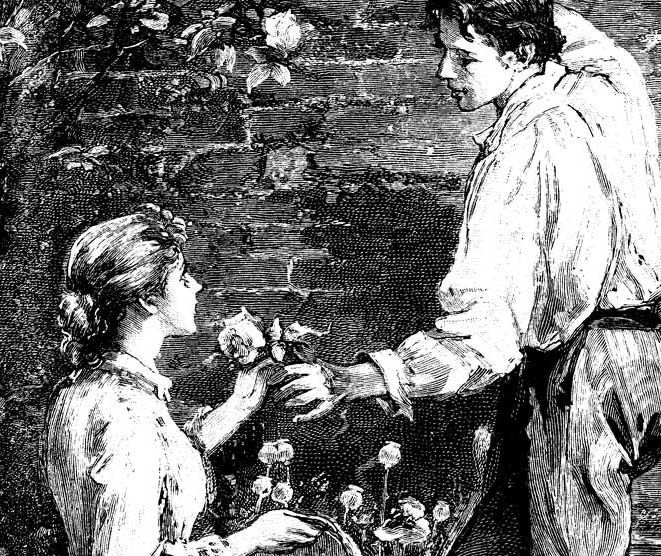
31.1—January/February 2018
The Wisdom of the Victorian Quest for Innocence by David Sandifer

33.2—March/April 2020
Christian Pro-Family Governments?
Old & New Lessons from Europe by Allan C. Carlson
35.2—Mar/Apr 2022
on Fatigued Christians Deciding to Engage the Culture by Keith Lowery
calling all readers
Please Donate
"There are magazines worth reading but few worth saving . . . Touchstone is just such a magazine."
—Alice von Hildebrand
"Here we do not concede one square millimeter of territory to falsehood, folly, contemporary sentimentality, or fashion. We speak the truth, and let God be our judge. . . . Touchstone is the one committedly Christian conservative journal."
—Anthony Esolen, Touchstone senior editor
