




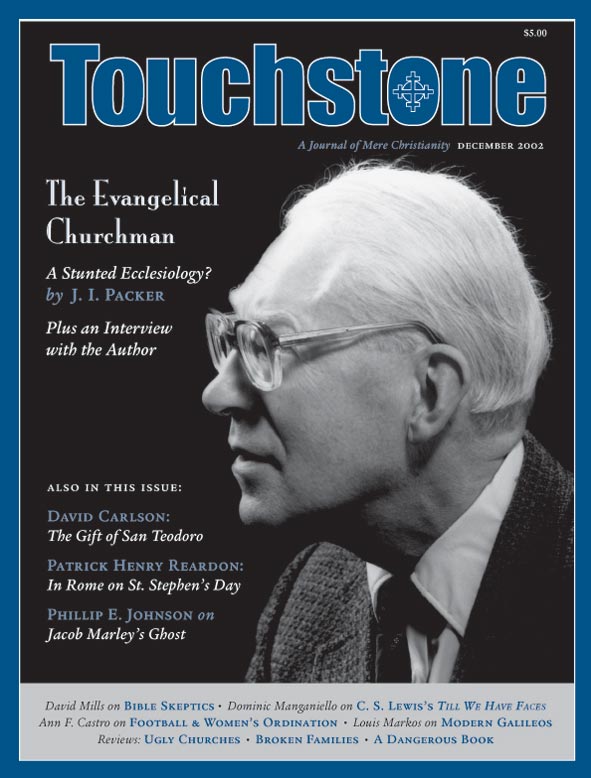
East Meets West in Rome
Patrick Henry Reardon on an Ecumenical Experiment
Around noon, the cab dropped Denise and me at our hotel just off the northeast corner ofthe massive piazza fronting the monument of Victor Emmanuel. I shall never forget the bitter wind in the Eternal City that winter day in 1996. Even for the feast of Stephen, this was fearsome weather, worse than I had ever known in Rome during the winters I lived there in years gone by.
Denise was very tired, and understandably so, after a sleepless night during the transatlantic flight, preceded by a weary Christmas afternoon spent in the airports of Pittsburgh and Philadelphia. Indeed, we had missed that previous night’s sleep as well, because of the midnight Divine Liturgy, followed by the festive family activities of Christmas morning. Anyway, cold and exhausted, Denise did the sensible thing and headed right for bed.
My Cultural Center
Not I. We had not been to Italy in several years, and I wanted to get started right away. I had missed the place so very, very much. Rome has always been, yet remains, and to the end will be the cultural center in my world of reference, ever since that boyhood day when I picked up a book and ascertained the main thing, the caput rei, that every little boy and girl should learn early, namely, that “All of Gaul is divided into three parts, one of which the Belgians inhabit.” That book I bore in my pocket now, along with some others that Denise and I would read in situ over the next several days.
Bundled against the weather, then, in heavy jacket and cap, I went off alone for the next few hours. Skirting the Victor Emmanuel Monument, I walked southeast past the Mamertine Prison, sanctified centuries ago by the Apostle Peter. Resolving not to visit that holy place until Denise could be with me, I continued past the Forum and the Church of Sts. Cosmas and Damien, toward the Colosseum and the Arch of Constantine. I knew exactly where I wanted to make my first stop on this pilgrimage. Veering south again at the Arch, I passed between the Coelian and Palatine hills, marveling how the large and richly odiferous roses still adorned the latter in this bitter weather.
At the end of the little valley I turned west to face the large, oblong, empty field that lies between the Palatine and Aventine hills. This is the Circus Maximus, deeply soaked of old in the martyrs’ blood. From another pocket I extracted a New Testament and Psalter, and using these I spent the next half-hour pacing out the Way of the Cross on the hallowed soil. I kept my back to the bitter westerly wind that blew from over the nearby Tiber. This bleak field is the spiritual center of Rome, I think, along with the catacombs and the holy graves of Peter and Paul. (St. John Chrysostom speaks of those two apostolic tombs as the eyes of Rome looking out upon the whole world.)
The next stop on the pilgrimage lay close by. I walked back over to the Coelian Hill to pay my respects to the man chiefly responsible for the evangelization of Western Europe. As I rang the bell at the gate of the ancient monastery dedicated to the Apostle Andrew, I reflected lovingly on the Benedictine monks who, in 596, had exited this gate in order to bring the gospel to England and, in due course, to all of northwestern Europe. This old abbey was the home of the father of Western European civilization, St. Gregory the Great, who became pope of Rome in 590, determined to use the vast prestige and authority of that office for the spread of the gospel to the unconverted barbarian tribes to the north.
I expected my summons at the bell to be answered by a white-robed Camaldolese Benedictine hermit, for I knew that this monastery had long served as the generalate house of that order. To my considerable surprise, however, the gate was opened by a tall young man clad in a black ryassa and skufia, Byzantine monastic robe and headdress. My first thought was that there must have been a change since I was last there, and that the monastery was now staffed by Catholic Byzantine monks. Still, I gathered my wits and properly wished the young monk a cheery buon giorno, asking for permesso to come into the church and pay miei respetti to St. Gregory the Great.
No, he explained patiently, this request was totalmente impossibile because the church, vede, was siempre locked up during this ora di giorno, and I would just have to ritornare at another occasione if I wanted to entrare. He was sorry, he said, but that was simply the stato di cose and there was assolutamente niente he could do about it.
A Sacerdote Ortodosso
Patrick Henry Reardon is pastor emeritus of All Saints Antiochian Orthodox Church in Chicago, Illinois, and the author of numerous books, including, most recently, Out of Step with God: Orthodox Christian Reflections on the Book of Numbers (Ancient Faith Publishing, 2019).
A Journal of Mere Christianity—Delivered to Your Door
- Essays on theology, culture, and the Church
- Contributors from across the Christian traditions

Six print issues (one year) of Touchstone, plus full online access and PDF downloads for only $39.95.

Get a one-year full-access subscription to the Touchstone online archives for only $19.95.
bulk subscriptions
Order Touchstone subscriptions in bulk and save $10 per sub! Each subscription includes 6 issues of Touchstone plus full online access to touchstonemag.com—including archives, videos, and pdf downloads of recent issues for only $29.95 each! Great for churches or study groups.
Transactions will be processed on a secure server.
more on ecumenism from the online archives
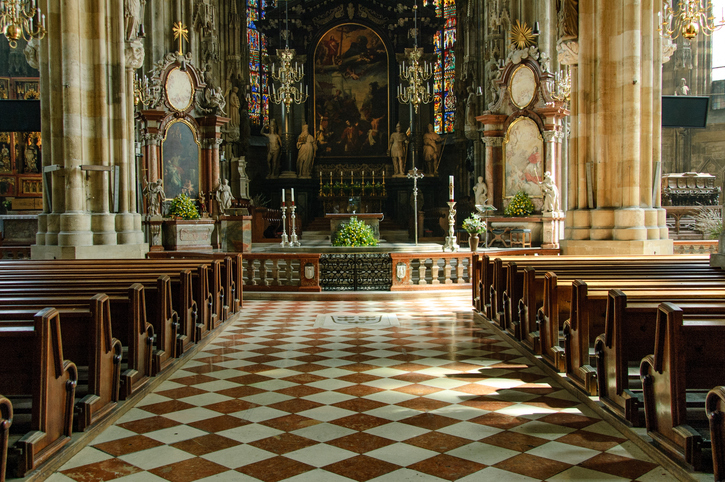
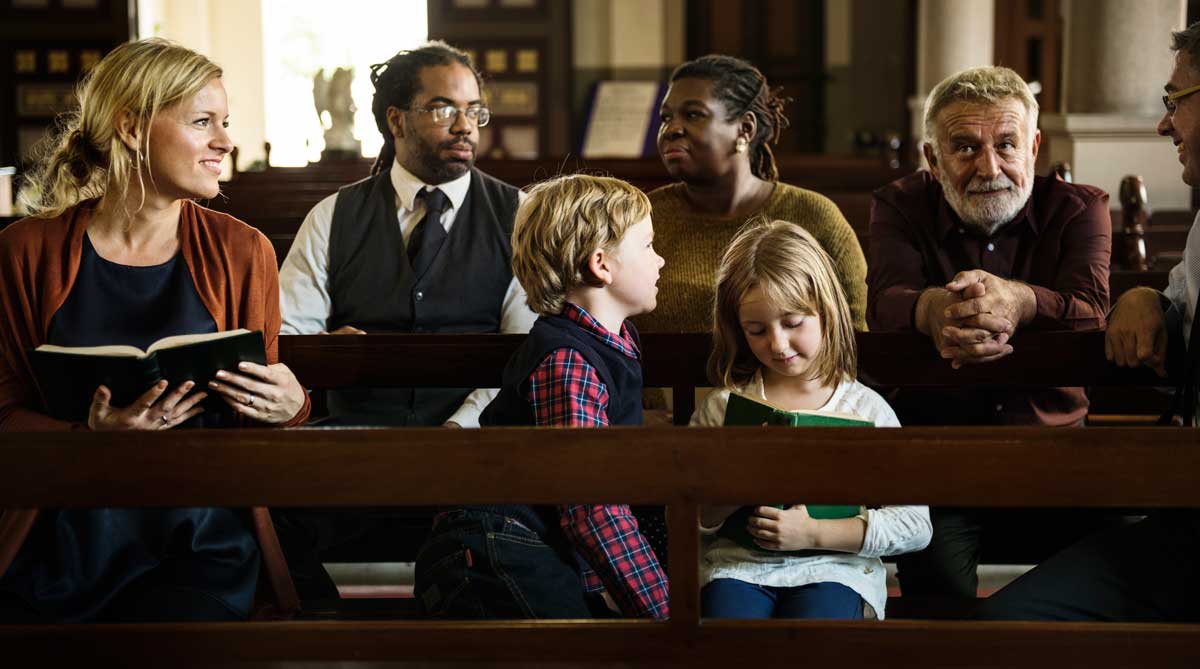
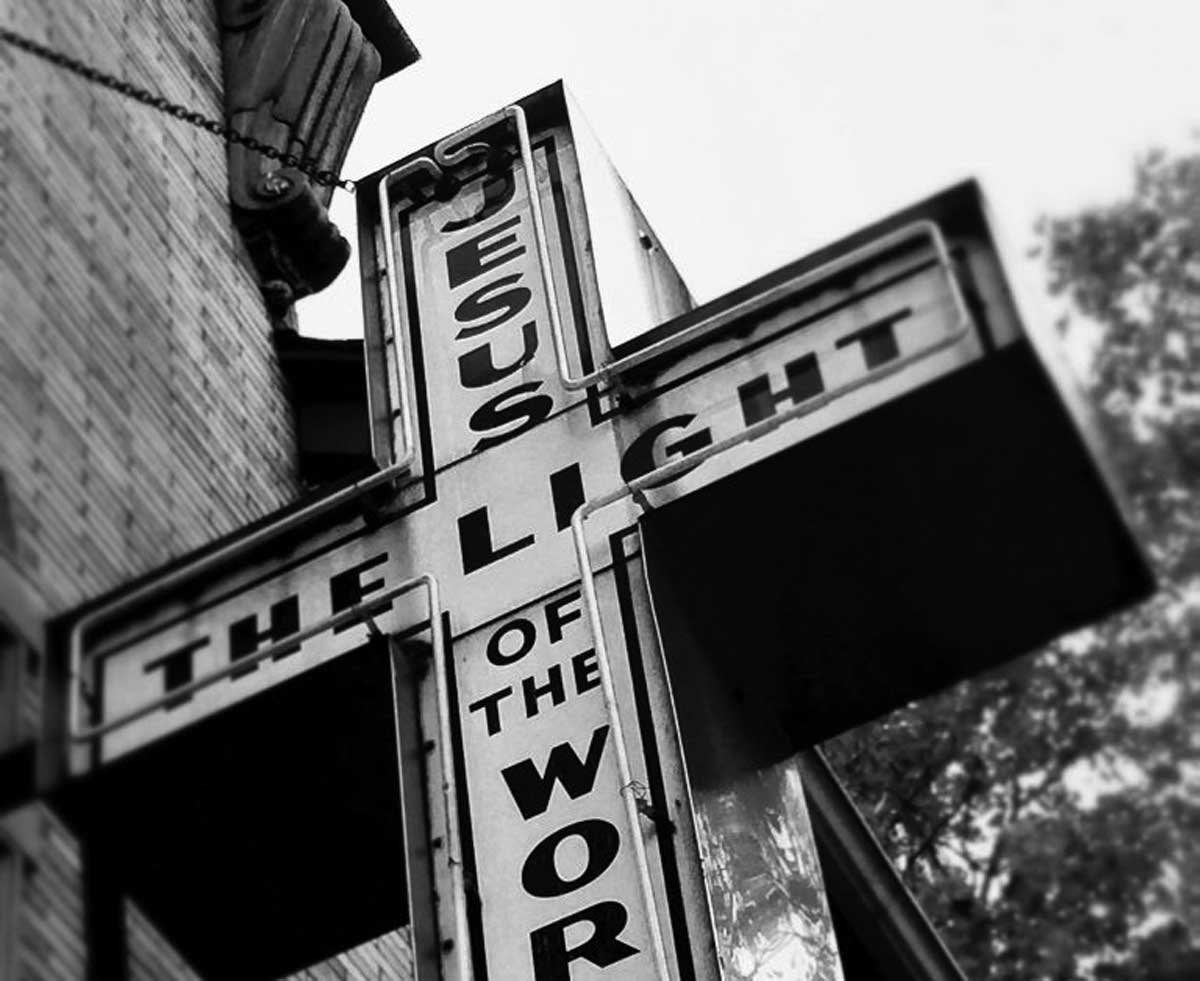
31.4—July/August 2018
Labels & the Ecumenism of Discipleship by James M. Kushiner
more from the online archives
29.5—Sept/Oct 2016
on the Loss of True Community & Rising Political Desperation by Karl D. Stephan

19.6—July/August 2006
The Three-Fold Cord of Imagination, Reason & Will in C. S. Lewis by Michael Ward
calling all readers
Please Donate
"There are magazines worth reading but few worth saving . . . Touchstone is just such a magazine."
—Alice von Hildebrand
"Here we do not concede one square millimeter of territory to falsehood, folly, contemporary sentimentality, or fashion. We speak the truth, and let God be our judge. . . . Touchstone is the one committedly Christian conservative journal."
—Anthony Esolen, Touchstone senior editor
