




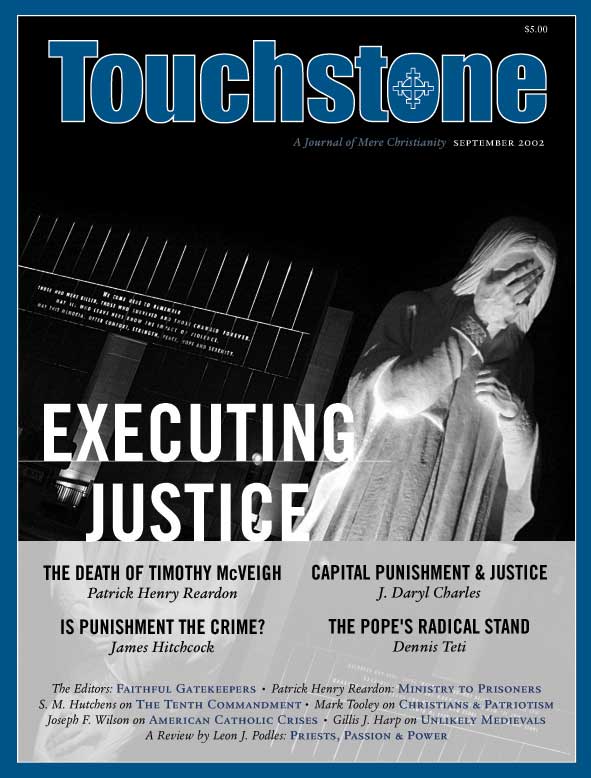
Our Not-So-Glorious Selves
Joseph F. Wilson on the Crises of the American Catholic Church
It is ironic that the Catholic Church in the United States has become such a spectacle for the world. For years, I have dealt with African and Eastern Europeans who arrived here as summer supply priests with the idea firmly implanted in their minds that the American Church was a model of efficient organization for the rest of the world—a conviction that I have always found extremely naive.
It is now undeniable that something is very wrong. The revelations of situations of clerical sexual abuse of minors in various dioceses have arrived with numbing regularity, yet as horrifying as these are, how much more so what we have learned about the failure of the various dioceses to focus upon the victims and respond in a timely, compassionate way.
As I write this, the bishops are preparing to gather in Dallas for a meeting devoted to the crisis, but they will make a most serious mistake, as will we all, if they fall into the trap of considering the clergy sexual abuse crisis in isolation. It is not an isolated crisis; it has a context, a severe and dismal context, which is why I always thought my African friends naive in their high regard for our efficient organization. Ultimately, little or nothing will be accomplished for the good of the Church if we neglect the context.
A Series of Crises
The fact is, we do not face a single crisis, but a series of them: Ten or twelve easily identifiable, major crises afflict the Catholic Church in America. They have not suddenly or recently sprung up; we have been laboring under them for forty years, desperately trying to ignore them by keeping up a constant chatter about this “age of renewal.” Monsignor George Kelly chronicled them in The Battle for the American Church, and since then the problems have only worsened.
After forty years of this “renewal,” our Catholic colleges and universities are largely secularized, our Religious communities are rapidly declining into extinction, and religious education has been effectively gutted of its content so that at least two generations have grown up woefully ignorant of Catholicism—most Mass-goers cannot identify the Catholic teaching on the Eucharist when it is put before them. Seminaries are afflicted with serious problems (as recounted by Michael Rose in his recently published Good Bye, Good Men), and Catholic moral teachings have been rejected by so many that it often seems as though most Catholics are indistinguishable from amiable pagans in their opinions on moral issues.
At the very heart of this turmoil stands one particular area of crisis, which, I would suggest, has strongly affected all of the rest: the crisis in the sacred Liturgy. The Liturgy should touch the life of every baptized member of the Church. It draws us together weekly, even daily, for worship; our thoughts and reflections, our prayers, our understanding of God and his ways are shaped by its images, rites, and words.
Forty years ago, the Fathers of the Second Vatican Council directed that a long-awaited liturgical renewal should begin. Many fine scholars had worked towards this renewal for decades. The council Fathers set forth the basic principles as well as some concrete directives. They called for the preservation of Latin in the Mass, the fostering of Gregorian chant, and the recovery for liturgical use of ancient, worthy texts that had been lost through the centuries; and they directed that, where over the centuries the rites had been obscured by additions, the liturgy be restored to its noble simplicity. Anyone reading the liturgical directives of Vatican II will see that it called for a deeply traditional liturgical renewal.
Most Catholics would find that startling news indeed—and therein lies my point. Forty-five years ago, some 78 percent of Catholic Americans were drawn to Mass at least every Sunday. The Liturgy used by the priest at the altar was essentially unchanged in its invariable parts from the days of Pope St. Gregory the Great, who died in 604. The ceremonies used by the priest were carefully prescribed, each gesture expressive of reverence and adoration. The unchanging reverence of that Liturgy spoke deeply to Catholics about the very nature of the Faith; the Liturgy and the Faith were gifts from God, a precious inheritance handed to us from the previous generation to be guarded and lovingly passed on in turn.
That world was turned upside down within a few short years. Stories of postconciliar liturgical excesses are too widely known to need rehearsing here. Many parishes seemed to consider that they had implemented the renewal by switching to English, installing a picnic table altar, and assembling a folk group. The Liturgy had become a kind of consecrated karaoke night, and anyone who wished might perform. We were told that we were returning to the simplicity of the early Church, that we had gotten rid of the medieval baggage.
A Journal of Mere Christianity—Delivered to Your Door
- Essays on theology, culture, and the Church
- Contributors from across the Christian traditions

Six print issues (one year) of Touchstone, plus full online access and PDF downloads for only $39.95.

Get a one-year full-access subscription to the Touchstone online archives for only $19.95.
bulk subscriptions
Order Touchstone subscriptions in bulk and save $10 per sub! Each subscription includes 6 issues of Touchstone plus full online access to touchstonemag.com—including archives, videos, and pdf downloads of recent issues for only $29.95 each! Great for churches or study groups.
Transactions will be processed on a secure server.
more on Catholic from the online archives
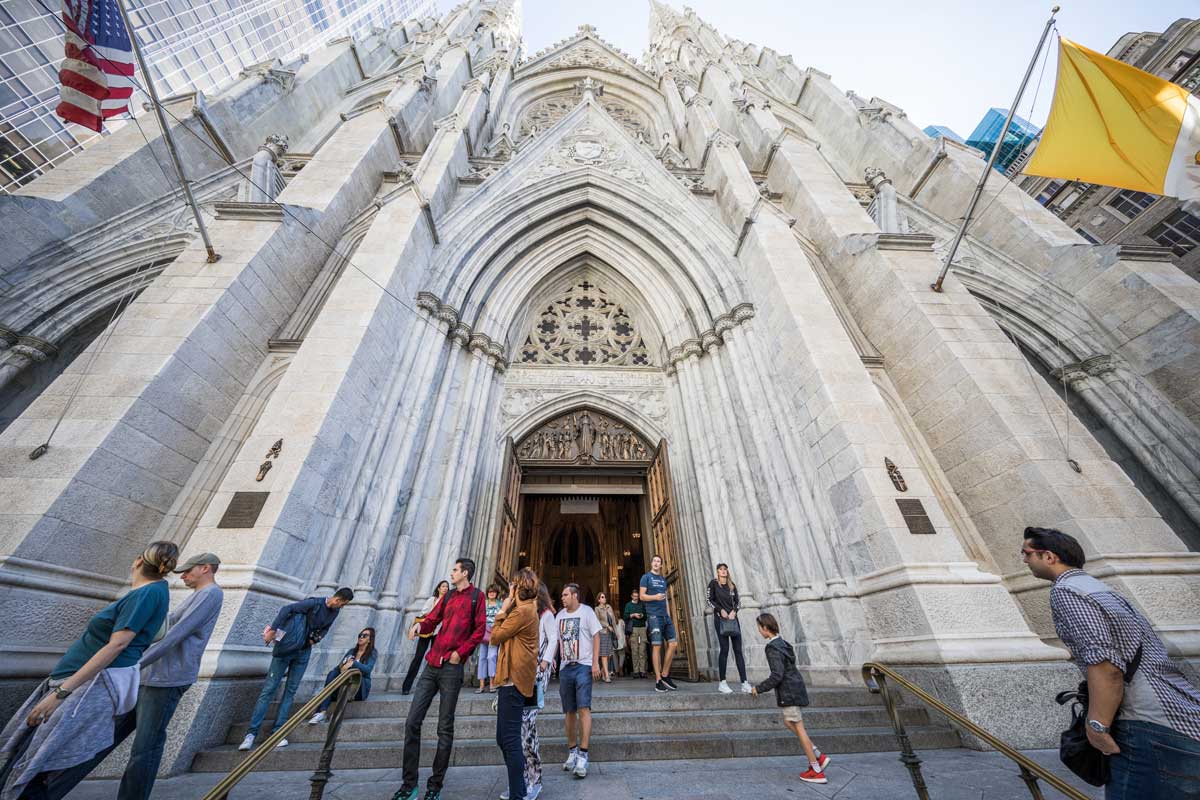
29.3—May/June 2016
A Deathbed Reflection on Catholic Social Teaching & Our Future Prospects by Karl D. Stephan
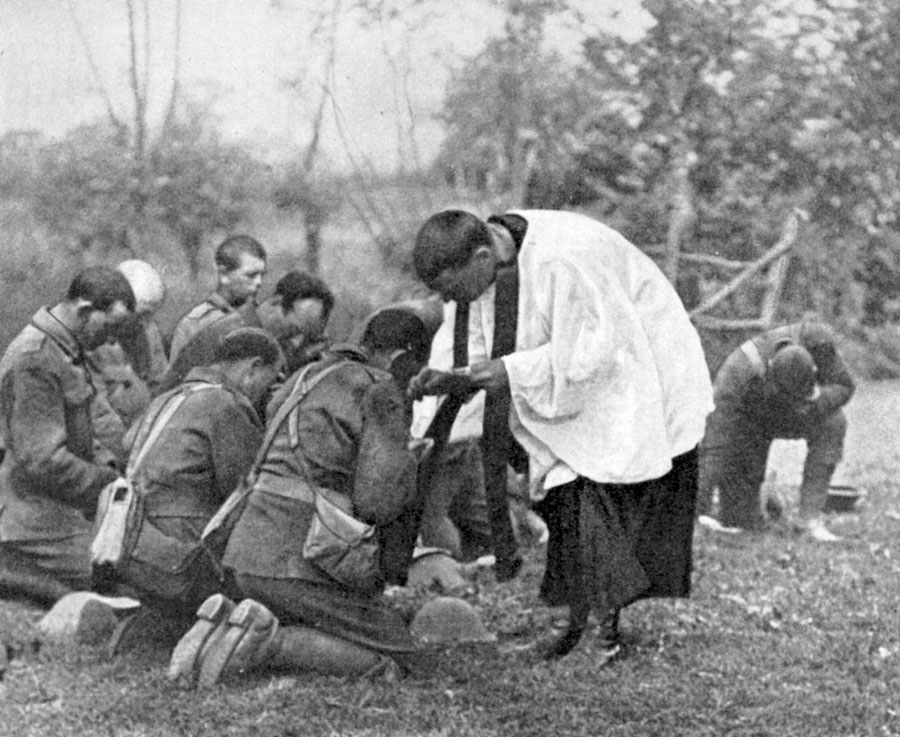
35.4—Jul/Aug 2022
The Death Rattle of a Tradition
Contemporary Catholic Thinking on the Question of War by Andrew Latham
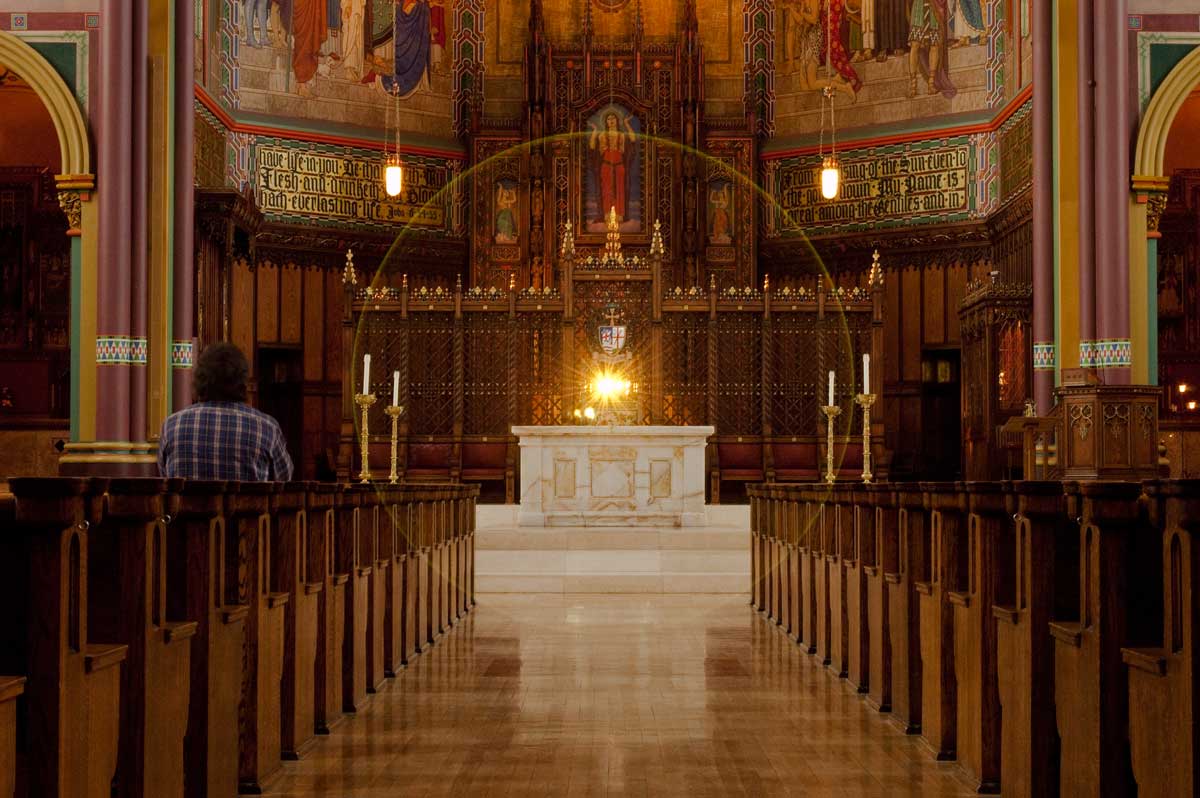
27.5—Sept/Oct 2014
The Culture of Death's Campaign Against the Catholic Church by Brantly Millegan
more from the online archives
25.3—May/Jun 2012
Calls for Freedom, Democracy & Secularism End Up with None of the Above by Hunter Baker

30.6—Nov/Dec 2017
on C. S. Lewis, Brideshead Revisited & the Middle Things by Ben Reinhard
calling all readers
Please Donate
"There are magazines worth reading but few worth saving . . . Touchstone is just such a magazine."
—Alice von Hildebrand
"Here we do not concede one square millimeter of territory to falsehood, folly, contemporary sentimentality, or fashion. We speak the truth, and let God be our judge. . . . Touchstone is the one committedly Christian conservative journal."
—Anthony Esolen, Touchstone senior editor
