





A THOUSAND WORDS
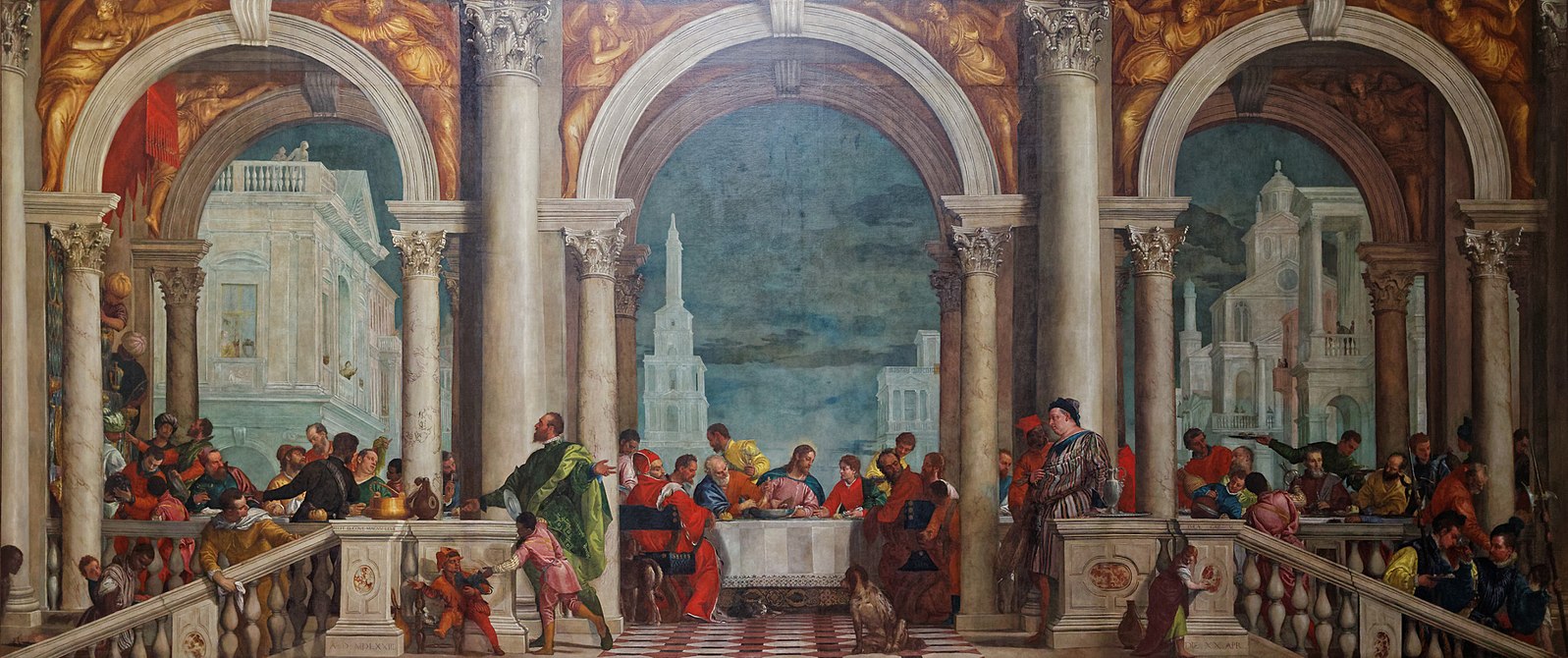
The Feast in the House of Levi
by Paolo Caliari (Veronese)
This 1573 painting is a whopper. For starts, it measures nearly fifty feet long by eighteen high. It is as if the curtain has gone up on a mighty operatic staging of the text from Luke 5:29, "And Levi made him a great feast in his house; and there was a large company of tax collectors and others sitting at table with them." Three huge arches like a Palladian theater frame the action, and what action it is. There are nearly fifty figures, among them turbaned Turks, African servants, a man with a nosebleed, well-heeled Venetians in colorful silks, German mercenaries, a little girl, a jester, a dwarf, a parrot, two dogs, and a cat.
What are we to make of all this? Most of the action takes place in the foreground, in front of the framing arches, up and down the two flanking staircases, and in the windows of the fantasy architecture behind the central space of the portico. Within the upper room, however, there is only the long table, Christ, his apostles, and a few servants. In the center, John turns to Christ, lips parted and hands upturned as if to ask him a question. Christ, tall and serious in the center of the arch, listens closely. Meanwhile, Judas, the uneasy figure in red, glances down toward the cat just emerging from under the table, while a servant at the right draws the attention of another apostle, perhaps Thomas, to the dog in the foreground.
THIS ARTICLE ONLY AVAILABLE TO SUBSCRIBERS.
FOR QUICK ACCESS:
Mary Elizabeth Podles is the retired curator of Renaissance and Baroque art at the Walters Art Museum in Baltimore, Maryland. She is the author of A Thousand Words: Reflections on Art and Christianity (St. James Press, 2023). She and her husband Leon, a Touchstone senior editor, have six children and live in Baltimore, Maryland. She is a contributing editor for Touchstone.
subscription options
Order
Print/Online Subscription

Get six issues (one year) of Touchstone PLUS full online access including pdf downloads for only $39.95. That's only $3.34 per month!
Order
Online Only
Subscription

Get a one-year full-access subscription to the Touchstone online archives for only $19.95. That's only $1.66 per month!
bulk subscriptions
Order Touchstone subscriptions in bulk and save $10 per sub! Each subscription includes 6 issues of Touchstone plus full online access to touchstonemag.com—including archives, videos, and pdf downloads of recent issues for only $29.95 each! Great for churches or study groups.
Transactions will be processed on a secure server.
more on art from the online archives
33.2—March/April 2020
An Architectural Sign of Mere Christianity by Michael Ward
32.4—July/August 2019
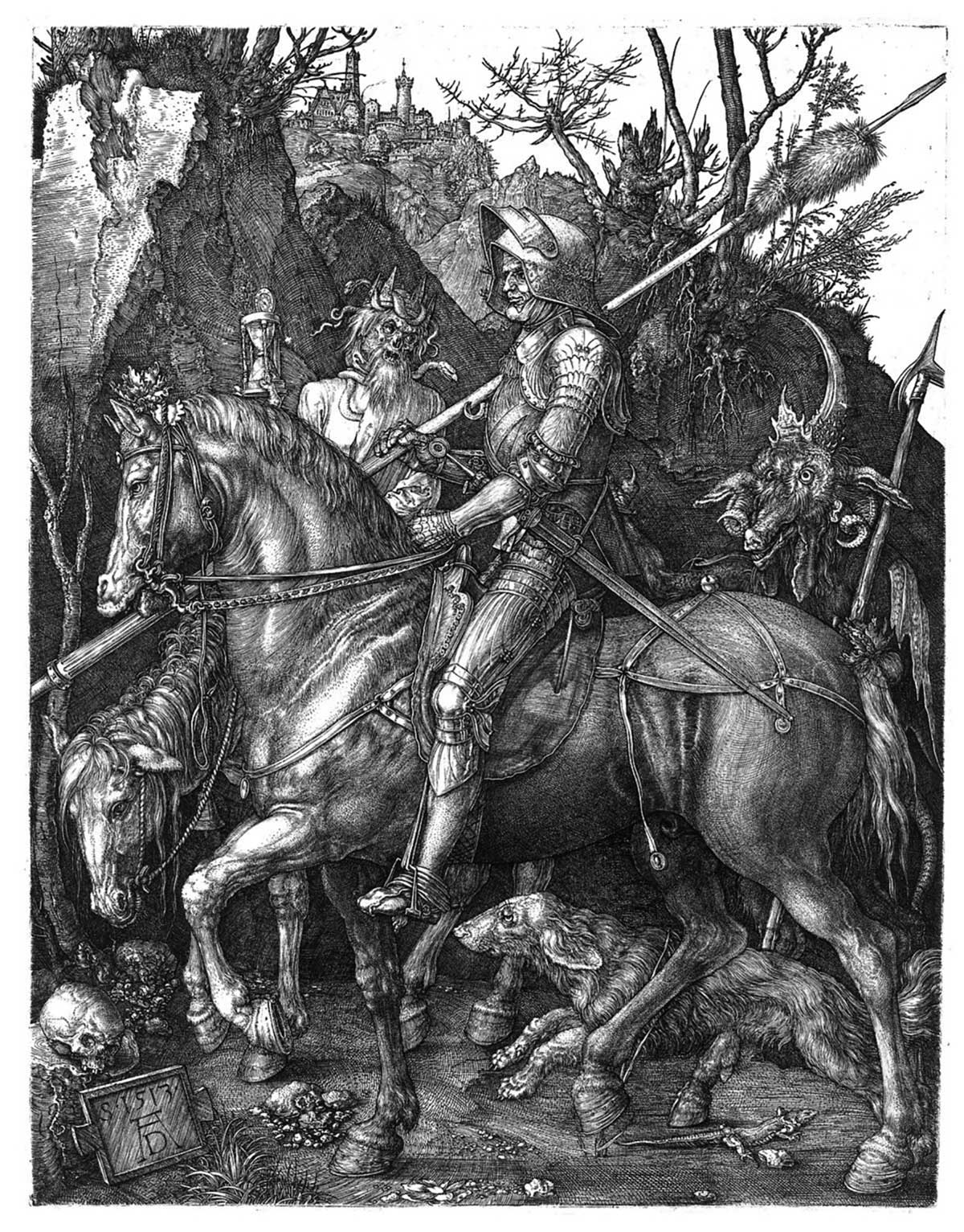
on Single-Mindedness in Durer's Ritter, Tod, und Teufel by Anthony Costello
more from the online archives
31.4—July/August 2018
The Difficulty of Apologetics for Dead Souls in the Real World by R. J. Snell
37.5—Sept/Oct 2024
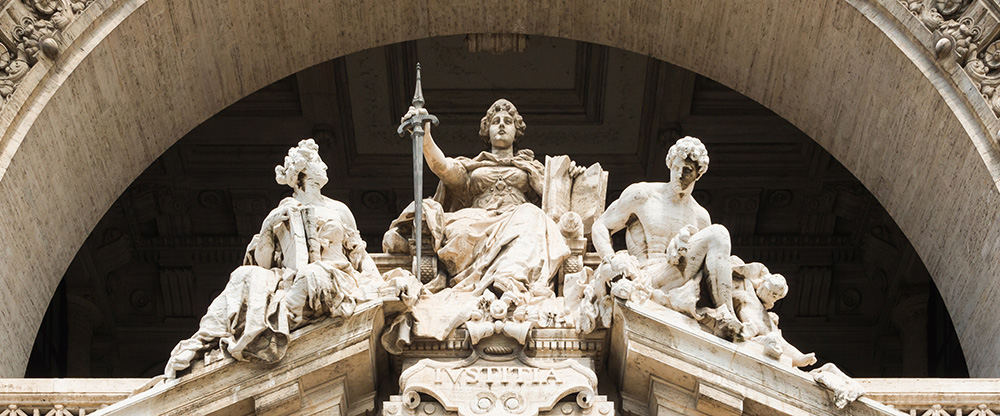
An Abandoned Ruling Principle & How to Get It Back by Adam MacLeod
calling all readers
Please Donate
"There are magazines worth reading but few worth saving . . . Touchstone is just such a magazine."
—Alice von Hildebrand
"Here we do not concede one square millimeter of territory to falsehood, folly, contemporary sentimentality, or fashion. We speak the truth, and let God be our judge. . . . Touchstone is the one committedly Christian conservative journal."
—Anthony Esolen, Touchstone senior editor
