





The War on Error
The Business of Confronting Heresy
Reading the last few weeks in the church fathers and reformers, I was struck once again by what we would call their rudeness. It is hard to go far in their writings without finding them bluntly identifying their opponents as heretics, perverts, madmen, liars, and tools of the devil.
These days, however, polite Christian society will have none of that: It is the sort of thing one expects only of the unwashed fundamentalist. Truth be told, among many professing Christians, defamation, even though done frequently by the Lord and the apostolic writers, simply isn’t regarded as Christian conduct. What sort of person, after all, would call apparently well-intentioned and perfectly respectable people, often very important, very religious people, snakes or hypocrites, or compare them to dirty tableware, whitewashed tombs, or ravening wolves?
This improvement on the Lord’s behavior is typified by a commenter on a blogsite I also read today, deploring the accusation of heresy. We’re all Christian brothers here, he noted, and this sort of thing, especially between Christians, is contemptible. He regarded the name-calling as prima facie immoral, and as a practical matter counter-productive because it serves to cut off the constructive dialogue by which errors can be corrected and the bond of peace maintained.
Education & Judiciousness
Let me give the commenter his due. No reasonable person, especially if he has attained any age in wisdom, needs to be informed—although constant reminding is good—on the dangers of the tongue, and thus also, obviously, its imaging apparatus, laid out so graphically in St. James’s Epistle, nor is the importance of patience, kindness, and the other virtues which so often move one to guard one’s speech ever to be minimized. Accusing people of being heretics or liars or of saying things that befit only the insane or demonic is simply not Christian behavior.
Unless, that is, it is true, and the time to say it has arrived. This is particularly important for those who have teaching and pastoral responsibilities. Identifying heresy and falsehood and those who teach it is a duty which, if shirked, will subject the souls under one’s influence to the tender mercy of the wolves and one’s own soul to the judgment reserved for the shepherd who did not protect his flock. How many pastors and teachers I have known who have been called upon to decide whether to break with their peers by speaking the truth about doctrine or conduct, or with God, and how many appear to break with God.

One must be very sure the accusation is right. This means work: education to competence on what one is talking about. One must ascertain according to good method what the apparent errorist has actually said, avoiding hearsay evidence and that given by unexamined witnesses, consulting others of good judgment on the matter. (In my youth I was led astray many times by bad witnesses. Now I always read the original sources before I consult anyone else.) These accusations should not be made lightly, and we will surely be judged for bearing false witness if we are careless or inaccurate. Sometimes it is more confusion than error that is to be found, in which case it is the confusion that must be named. Many “heresy hunters,” more interested in the approval of their party than truth, fall down on all these points.
If an accusation is made, it must be made clearly, forcefully, and memorably, so that it is understood by those one is trying to protect from false doctrine: “This is untrue; it is heresy; avoid these people who teach it.”
This must be done judiciously and in the line of duty. If I have any quarrel with certain fathers, it is not that they identified false teaching for what it was, but that they sometimes did it so frequently that it may have become difficult to hear. There is besides a certain pathological temperament that enjoys hunting down and denouncing error and subjecting those who commit it to terror and humiliation that hardens them against truth. The heresy-hunting inquisitor is not a divine office, whereas pastor and teacher are. To the former mentality, exposing error is not a painful task cast in one’s path by the duties of office, but a form of pleasure—a dungeoner’s pleasure of which no good man would be proud.
S. M. Hutchens is a senior editor and longtime writer for Touchstone.
A Journal of Mere Christianity—Delivered to Your Door
- Essays on theology, culture, and the Church
- Contributors from across the Christian traditions

Six print issues (one year) of Touchstone, plus full online access and PDF downloads for only $39.95.

Get a one-year full-access subscription to the Touchstone online archives for only $19.95.
bulk subscriptions
Order Touchstone subscriptions in bulk and save $10 per sub! Each subscription includes 6 issues of Touchstone plus full online access to touchstonemag.com—including archives, videos, and pdf downloads of recent issues for only $29.95 each! Great for churches or study groups.
Transactions will be processed on a secure server.
more from the online archives

24.5—Sept/Oct 2011
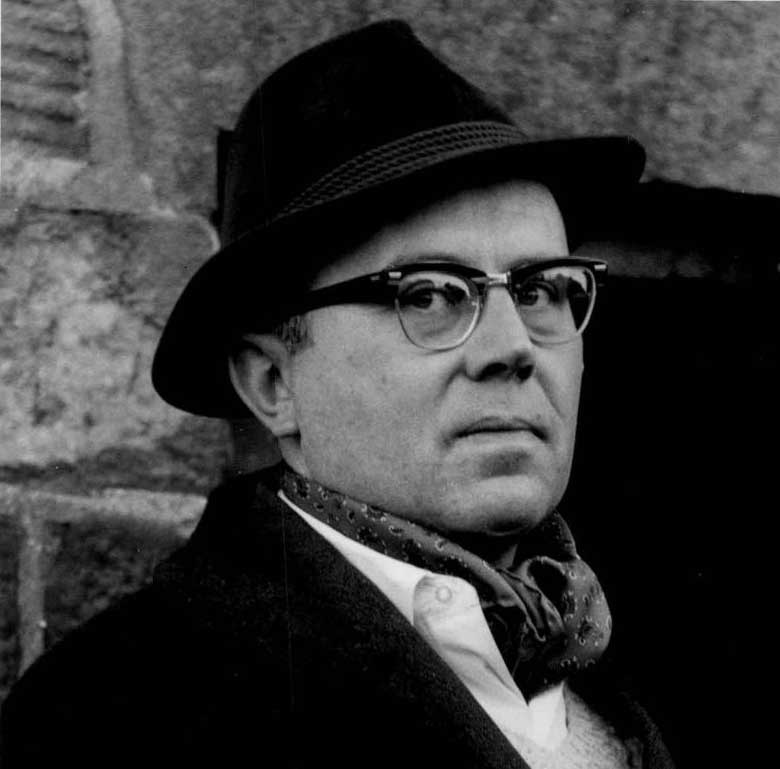
A Critical Memoir of Thomas Merton at Gethsemani Abbey by Patrick Henry Reardon
29.4—July/August 2016
Russell Kirk: American Conservative by Bradley J. Birzer by Hunter Baker

30.5—Sept/Oct 2017
The Christian Cure for What Ails Modern Politics by David Bradshaw
calling all readers
Please Donate
"There are magazines worth reading but few worth saving . . . Touchstone is just such a magazine."
—Alice von Hildebrand
"Here we do not concede one square millimeter of territory to falsehood, folly, contemporary sentimentality, or fashion. We speak the truth, and let God be our judge. . . . Touchstone is the one committedly Christian conservative journal."
—Anthony Esolen, Touchstone senior editor
