




Pale Male
Manliness
by Harvey C. Mansfield
Yale University Press, 2006
(280 pages, $27.50, hardcover)
reviewed by Gerald J. Russello
With his talk of “manly men” and women as “the weaker sex,” Harvey Mansfield no doubt intends to stir up debate about how we think about men and women. Lawrence Summers’s remarks about women in science demonstrate that discussing what we know, and do not know, about men and women remains an ideological minefield.
Mansfield, long a professor of government at Harvard and no stranger to intellectual combat, asserts in this brilliant, idiosyncratic, and needed book that “our gender-neutral society needs to readopt the distinction between public and private that is characteristic of liberalism. . . . In public it should not permit sex stereotypes to operate; in private it should admit that they are true.” He mounts a defense of manliness against a society that has determined—against logic and experience—that there are no differences between men and women.
Virtues of Manliness
But, of course, there are differences. Books like Men Are from Mars, Women Are from Venus explain what most people know without being told: Men and women think and act differently. And a growing body of work in several disciplines, from biology to neurology, has confirmed these commonsense observations about sex.
This research occurs amid increased concern about sexual differences. The radical rejection of traditional “gender roles” in the 1960s and 1970s has itself largely been repudiated, but its legacy has been significant cultural damage and a loss of moral bearings, the extent of which is just now being widely realized. How we perceive men and women is at the center of a number of crucial issues, from how we raise our children to economic issues, such as how we prioritize work over family, and whether certain work is more appropriate to one sex or the other.
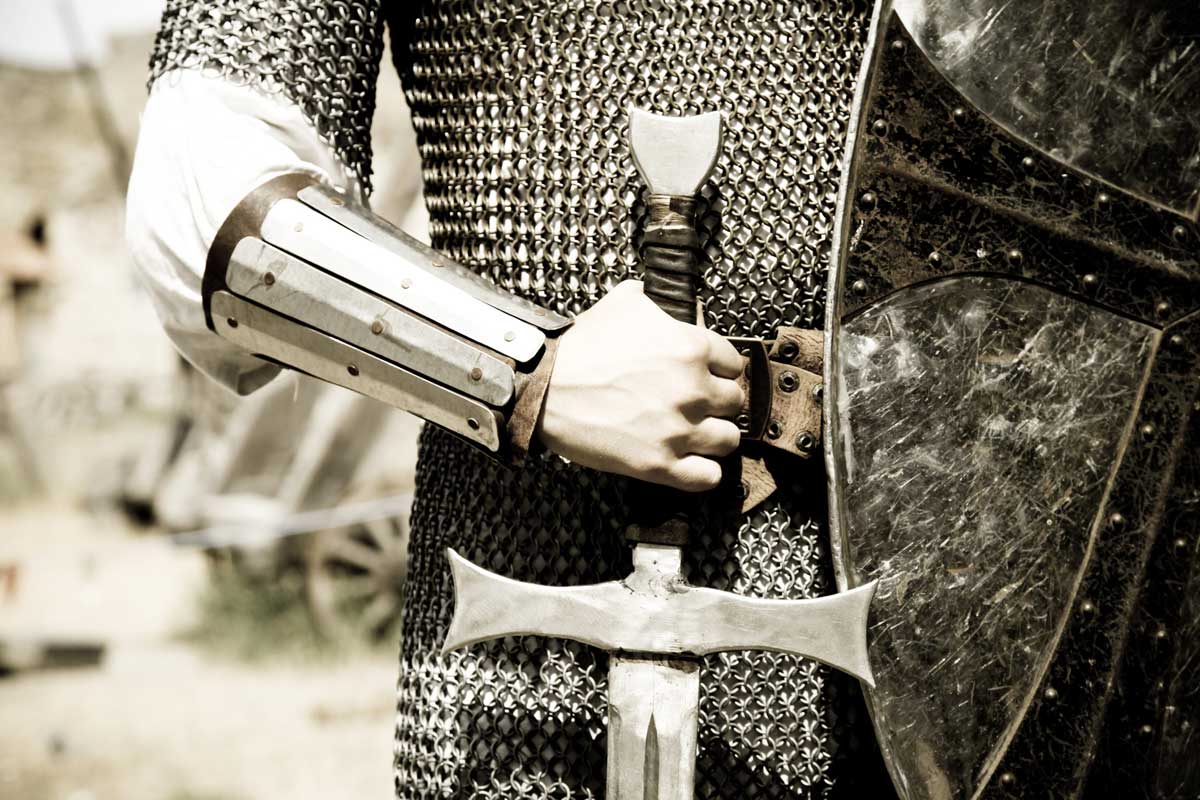
What is manliness, for Mansfield? It is a characteristic (not limited only to men, but found mostly there) that “seeks and welcomes drama and prefers times of war, conflict, and risk. . . . Manliness is the next to last resort, before resignation and prayer.” It is assertive in its own interests, aggressive, not exactly rational, and as likely to be selfish as selfless.
Mansfield is no blind cheerleader for the more brutish aspects of manliness, but he wants us to see the whole picture. Against the vision of some feminists, for example, that manliness is a negative force fit only to be restrained, he argues for its virtues.
For example, manliness indicates assertiveness, and moreover, it tends to be assertiveness for a cause: Manly men hold their lives cheap when honor is at stake. Manly men assert their interests over others; sometimes, as Mansfield indicates, this can be done through brute force. But manly men also communicate the causes for their actions with one another. These causes need to be articulated through reason, and hence, manliness is the progenitor of politics.
Darwinian Unmanliness
Gerald J. Russello is Editor of The University Bookman and a Fellow of the Chesterton Institute at Seton Hall University.
A Journal of Mere Christianity—Delivered to Your Door
- Essays on theology, culture, and the Church
- Contributors from across the Christian traditions

Six print issues (one year) of Touchstone, plus full online access and PDF downloads for only $39.95.

Get a one-year full-access subscription to the Touchstone online archives for only $19.95.
bulk subscriptions
Order Touchstone subscriptions in bulk and save $10 per sub! Each subscription includes 6 issues of Touchstone plus full online access to touchstonemag.com—including archives, videos, and pdf downloads of recent issues for only $29.95 each! Great for churches or study groups.
Transactions will be processed on a secure server.
more from the online archives

18.8—October 2005
European Islam & the Doubtful Future of Christian Europe by William Murchison

14.1—January/February 2001
A Sociologist Looks at Fatherlessness & Its Causes by David Blankenhorn
calling all readers
Please Donate
"There are magazines worth reading but few worth saving . . . Touchstone is just such a magazine."
—Alice von Hildebrand
"Here we do not concede one square millimeter of territory to falsehood, folly, contemporary sentimentality, or fashion. We speak the truth, and let God be our judge. . . . Touchstone is the one committedly Christian conservative journal."
—Anthony Esolen, Touchstone senior editor
