





The Angels Sing, the Shepherds Too
by Ken Myers
According to my American Heritage Dictionary, the first definition of the word "Noël" is simply "Christmas." The second definition is "a Christmas carol." The word entered Middle English from Old French, where it earlier derived from a Latin family of words tied to birth and the day of a birth. It's the same neighborhood from which our English words natal, native, nature, and nativity derive.
Etymological trajectories can teach us a lot about how creation is ordered and about how cultures take shape in light of that order. The birthday that Christians know simply as "The Nativity" inexorably calls forth music, and of a particular character. The birth of Jesus contains paradoxes and otherwise unimaginable contrasts: a King born in a stable, God in humble human flesh, the turning point of history witnessed initially only by humble rustics. Likewise, the Christmas carols with the most power and longevity seem to combine—in both text and music—simplicity and depth, reverence and festivity, a sense of tentative wonder ("Can this possibly be happening?") and confident decisiveness ("Yes! God has made it so!").
THIS ARTICLE ONLY AVAILABLE TO SUBSCRIBERS.
FOR QUICK ACCESS:
Ken Myers is the host and producer of the Mars Hill Audio Journal. Formerly an arts editor with National Public Radio, he also serves as music director at All Saints Anglican Church in Ivy, Virginia. He is a contributing editor for Touchstone.
A Journal of Mere Christianity—Delivered to Your Door
- Essays on theology, culture, and the Church
- Contributors from across the Christian traditions

Six print issues (one year) of Touchstone, plus full online access and PDF downloads for only $39.95.

Get a one-year full-access subscription to the Touchstone online archives for only $19.95.
bulk subscriptions
Order Touchstone subscriptions in bulk and save $10 per sub! Each subscription includes 6 issues of Touchstone plus full online access to touchstonemag.com—including archives, videos, and pdf downloads of recent issues for only $29.95 each! Great for churches or study groups.
Transactions will be processed on a secure server.
more on Christmas from the online archives

28.6—Nov/Dec 2015
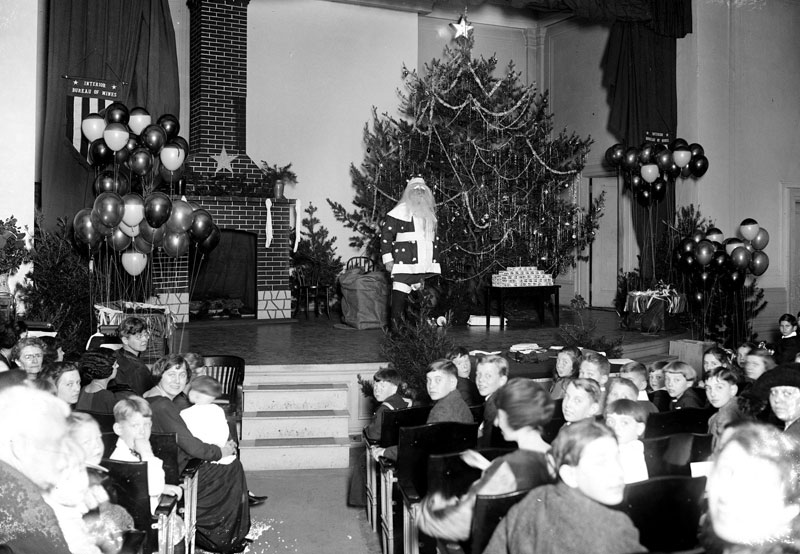
on the Deepest Longings of the Restless & the Lonely by William Graddy
21.10—December 2008
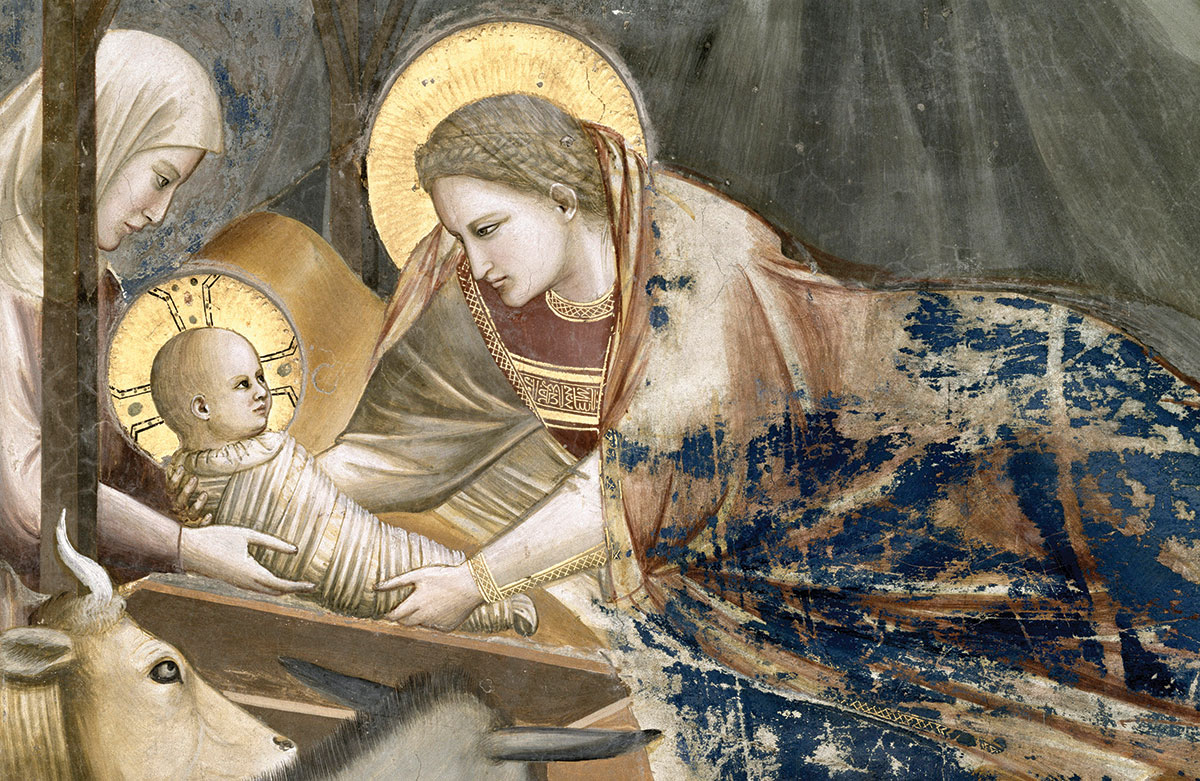
Early Christian Teaching on the Incarnation & Redemption by Patrick Henry Reardon
more from the online archives
33.2—March/April 2020
on How Bodily Resurrection Informs Social Justice by W. Ross Blackburn
33.2—March/April 2020
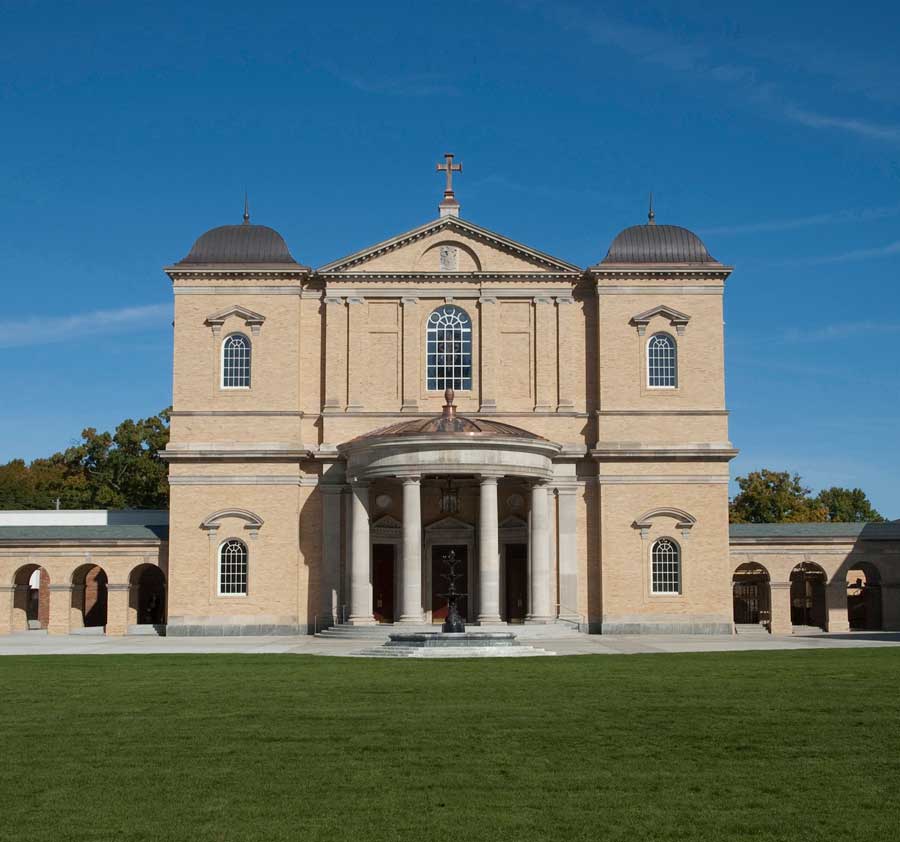
An Architectural Sign of Mere Christianity by Michael Ward

29.4—July/August 2016
Russell Kirk: American Conservative by Bradley J. Birzer by Hunter Baker
calling all readers
Please Donate
"There are magazines worth reading but few worth saving . . . Touchstone is just such a magazine."
—Alice von Hildebrand
"Here we do not concede one square millimeter of territory to falsehood, folly, contemporary sentimentality, or fashion. We speak the truth, and let God be our judge. . . . Touchstone is the one committedly Christian conservative journal."
—Anthony Esolen, Touchstone senior editor
