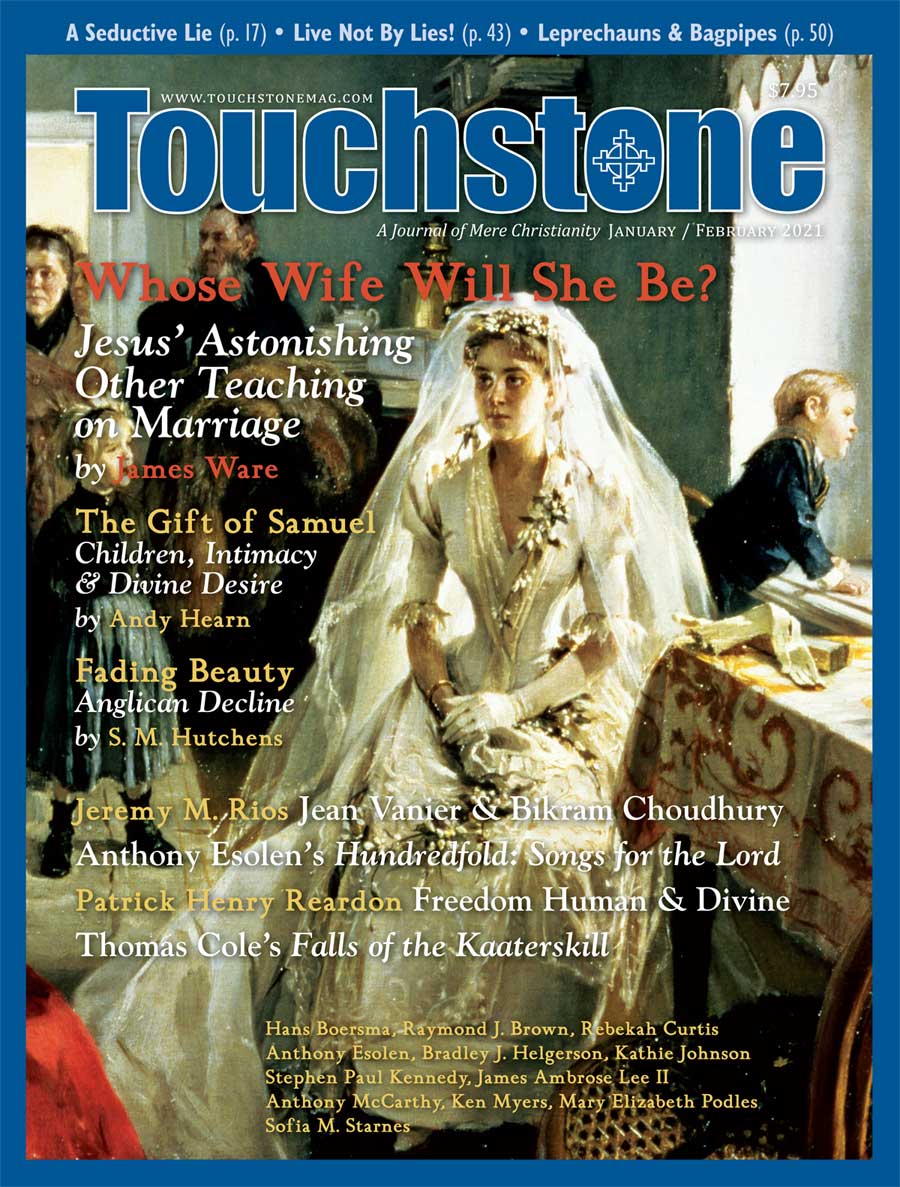
Pastoral Guidance by James Ambrose Lee II

Pastoral Guidance

The Care of Souls: Cultivating a Pastor's Heart by Harold L. Senkbeil

Drawing upon nearly fifty years of service in the Office of the Holy Ministry, Dr. Senkbeil has written a work of pastoral theology that is Christo-logical in its foundation and scope, while interweaving wisdom handed down through the tradition of the Church, accompanied by insight and instruction gained from his study and experience. It is written with love and appreciation from one pastor to his fellow pastors (Amtbrüdern).

In an age when pastors are tempted to imitate TED Talk thought leaders, podcast mavens, and Silicon Valley entrepreneurs, Senkbeil makes the case that pastors ought to model their ministry after the diligent and habitual work of a farmer, and follow the patient and careful example of a medical doctor in the diagnosis of a patient. Pastoral work requires specialized knowledge and study, like agricultural and medical work, but just as knowledge alone is not sufficient to become a good farmer or doctor, pastoral care requires more of the man in the office than the sum of classroom instruction.

Echoing the pastoral writings of John Chrysostom and Gregory the Great and even the nineteenth-century Lutheran C. F. W. Walther, Senkbeil stresses that knowledge must be coupled with an internal disposition that is formed through habit, experience, and repetition—a pastoral habitus. Yet, this habitus only comes gradually through the daily work of the office, and this disposition differs from the agricultural or medical character that farmers and doctors develop because it is worked in the pastor by special action of the Holy Spirit. As a pastor shepherds his flock with prayer and study, with God's word and the sacraments, his pastoral habitus takes shape.

Physician of the Soul

Senkbeil reminds his readers that even though pastoral work is replete with administrative tasks and responsibilities, the chief charge of the pastoral office is not administration, vision-casting, or leadership. Running the church is not the essential work of this office. Rather the "classical model" of pastoral care depicts the pastor as a physician of the soul (Seelsorger). The human person is an embodied soul, and pastoral care is the ongoing work of diagnosing the maladies and obstacles that afflict and torment it (e.g., sin, guilt, and shame), and administering the word of God and the means of grace as the treatment of its troubles.

Although such care involves counsel, and despite the etymological associations, Senkbeil warns against conflating the care of the soul with either therapy or psychology. The end of all careful and patient pastoral diagnoses and counsel is the discernment of the various maladies afflicting the soul and the application of the specific word of God required by the situation. All care for the soul that its physician is able to provide is the declaration and application of the salvific work of Christ: "the reality of sins forgiven and broken hearts mended," "a clean heart and a right spirit," and the delivery of "a clear and good conscience before God" (127).

While this book teems with great insight and well-honed suggestions to assist in pastoral diagnosis (see especially chapters three, four, and five), Senkbeil reminds his readers that the only avenue for learning how to listen to and speak the appropriate word of God is through a life dually formed by prayer and study, and shaped by the experiences of the pastoral vocation.

Christ's Sheep-Dogs

The treasures of this work overflow every page, with insights, advice, and even some helpful personal anecdotes from his half-century of pastoral ministry. But what situates Senkbeil's work more in the lineage of the great pastoral writings of the fathers of the Church than in the pattern of some modern-day expert, guru, or coach is that he understands there is no hack method to the Holy Ministry. There are no Five Simple Rules whose mastery results in successful ministry.

While he generously shares wisdom from his years of pastoral service, and even offers some insightful anecdotes that help enflesh his pastoral theology, he never promotes himself or advances his secrets for success. Rather, he proposes that what is essential for faithful and fruitful pastoral ministry is the proper identity and foundation for it. Senkbeil succinctly expresses this with the following axiom: "Action flows from being; identity defines activity" (16).


James Ambrose Lee II is Assistant Professor of Theology at Concordia University Chicago. He has published articles on neo-Lutheranism and the Confessional Revival, nineteenth-century German theology, and the relationship between the Catholic Tübingen School and Nouvelle Théologie.

A Journal of Mere Christianity—Delivered to Your Door

  • Essays on theology, culture, and the Church
  • Contributors from across the Christian traditions

Subscribe (Print + Online)

Six print issues (one year) of Touchstone, plus full online access and PDF downloads for only $39.95.

Subscribe (Online Only)

Get a one-year full-access subscription to the Touchstone online archives for only $19.95.


bulk subscriptions

Order Touchstone subscriptions in bulk and save $10 per sub! Each subscription includes 6 issues of Touchstone plus full online access to touchstonemag.com—including archives, videos, and pdf downloads of recent issues for only $29.95 each! Great for churches or study groups.

Transactions will be processed on a secure server.


more from the online archives

30.2—March/April 2017

Rescuing Cervantes

on Reading Don Quixote in Its Original Christian Context by Luis Cortest

29.1—Jan/Feb 2016

Wilberforce for Good

on Marriage, Moral Corruption & the Christian Duty of Witness by Regis Nicoll

30.2—March/April 2017

Keep Them from Idols

The Education of Children Takes Generations of Fidelity by W. Ross Blackburn

calling all readers

Please Donate

"There are magazines worth reading but few worth saving . . . Touchstone is just such a magazine."
—Alice von Hildebrand

"Here we do not concede one square millimeter of territory to falsehood, folly, contemporary sentimentality, or fashion. We speak the truth, and let God be our judge. . . . Touchstone is the one committedly Christian conservative journal."
—Anthony Esolen, Touchstone senior editor

Support Touchstone

00