




View
Unsaintly Saintliness
Steven Faulkner on Graham Greene's Whisky Priest
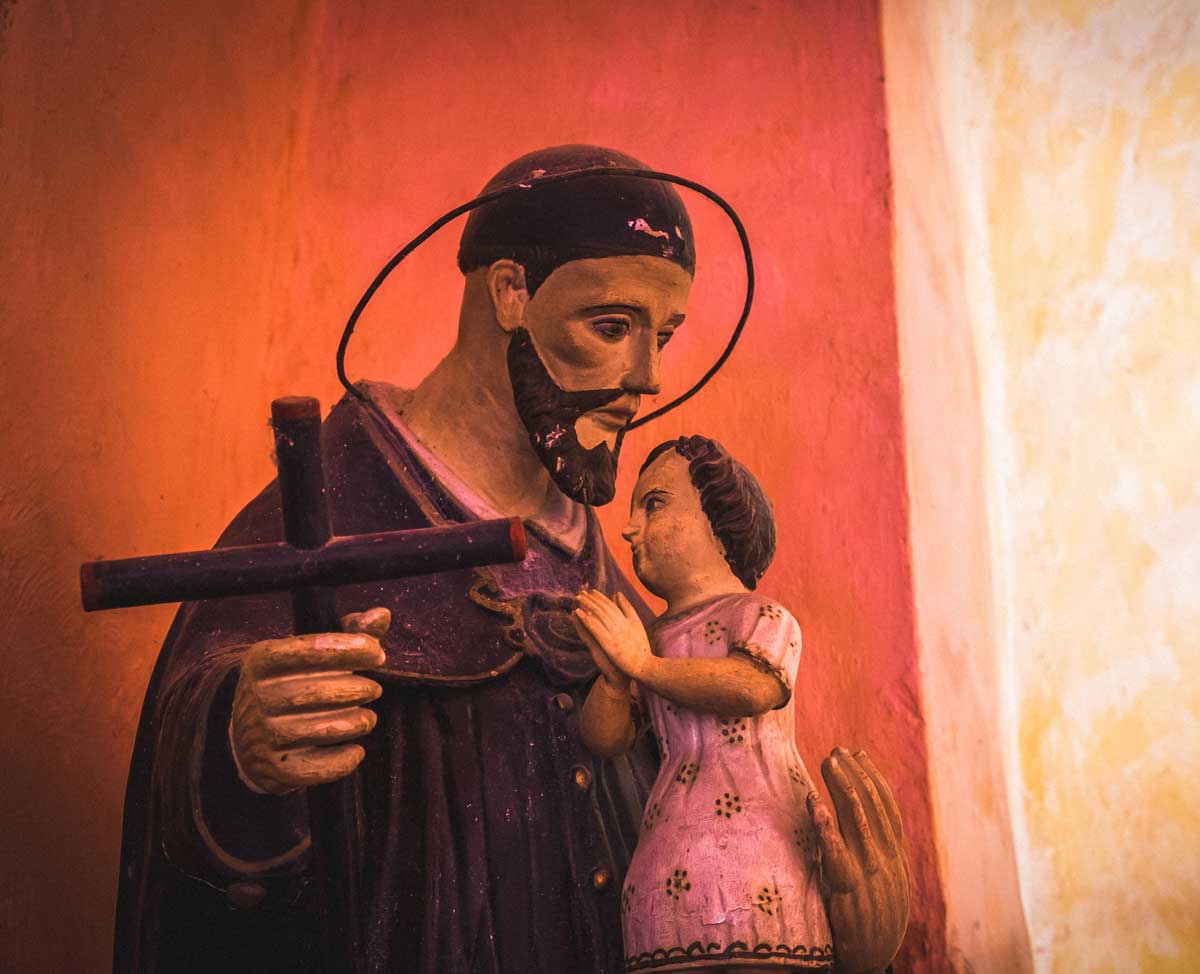
Two or three decades ago I read Graham Greene's novel The Power and the Glory. I didn't like it. Greene's protagonist, the "whisky priest," is so self-critical, so completely self-incriminating, that there seemed no space left for the intervention of grace in his life, no vestige of power or glory. His mind and soul are crowded with self-loathing; he is an alcoholic, and he has conceived a child by a village woman. He realizes that he loves the child who is the fruit of his mortal sin, and this love of the bastard child seems to him evidence of his inability to repent honestly of his sin; how can you repent when you go on loving the fruit of your sin? Though the priest ends up being shot for his faith, Greene does everything possible to convince us that he is not a holy martyr, not a saint, just a plump-faced, ragged little man who cannot rise to any level of heroism.
But having just reread the novel, I've changed my mind.
THIS ARTICLE ONLY AVAILABLE TO SUBSCRIBERS.
FOR QUICK ACCESS:
Steven Faulkner teaches creative writing at Longwood University in southern Virginia. He is the author of Waterwalk: A Passage of Ghosts (2007) and Bitterroot: Echoes of Beauty and Loss (2016). Both books are memoirs of father-son journeys that followed the paths of missionary priests: Marquette (in Waterwalk) and De Smet (in Bitterroot).
A Journal of Mere Christianity—Delivered to Your Door
- Essays on theology, culture, and the Church
- Contributors from across the Christian traditions

Six print issues (one year) of Touchstone, plus full online access and PDF downloads for only $39.95.

Get a one-year full-access subscription to the Touchstone online archives for only $19.95.
bulk subscriptions
Order Touchstone subscriptions in bulk and save $10 per sub! Each subscription includes 6 issues of Touchstone plus full online access to touchstonemag.com—including archives, videos, and pdf downloads of recent issues for only $29.95 each! Great for churches or study groups.
Transactions will be processed on a secure server.
more on literature from the online archives

30.2—March/April 2017
on Reading Don Quixote in Its Original Christian Context by Luis Cortest

30.5—Sept/Oct 2017
on Costly Grace in Breece D'J Pancake's Flyover Country by Casey Chalk
32.2—March/April 2019
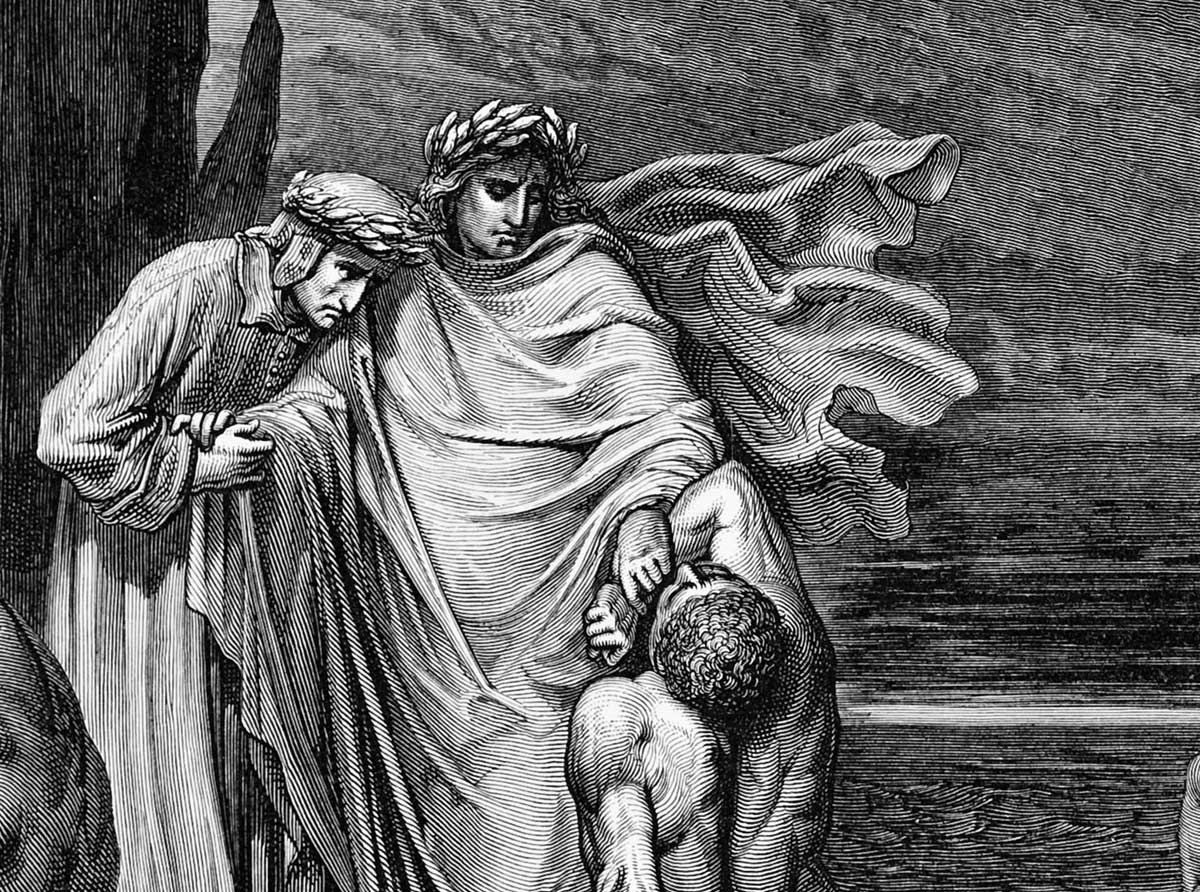
Misguided Mercy & Dante's Infernal Purgation by Joshua Hren
more from the online archives
22.6—July/August 2009
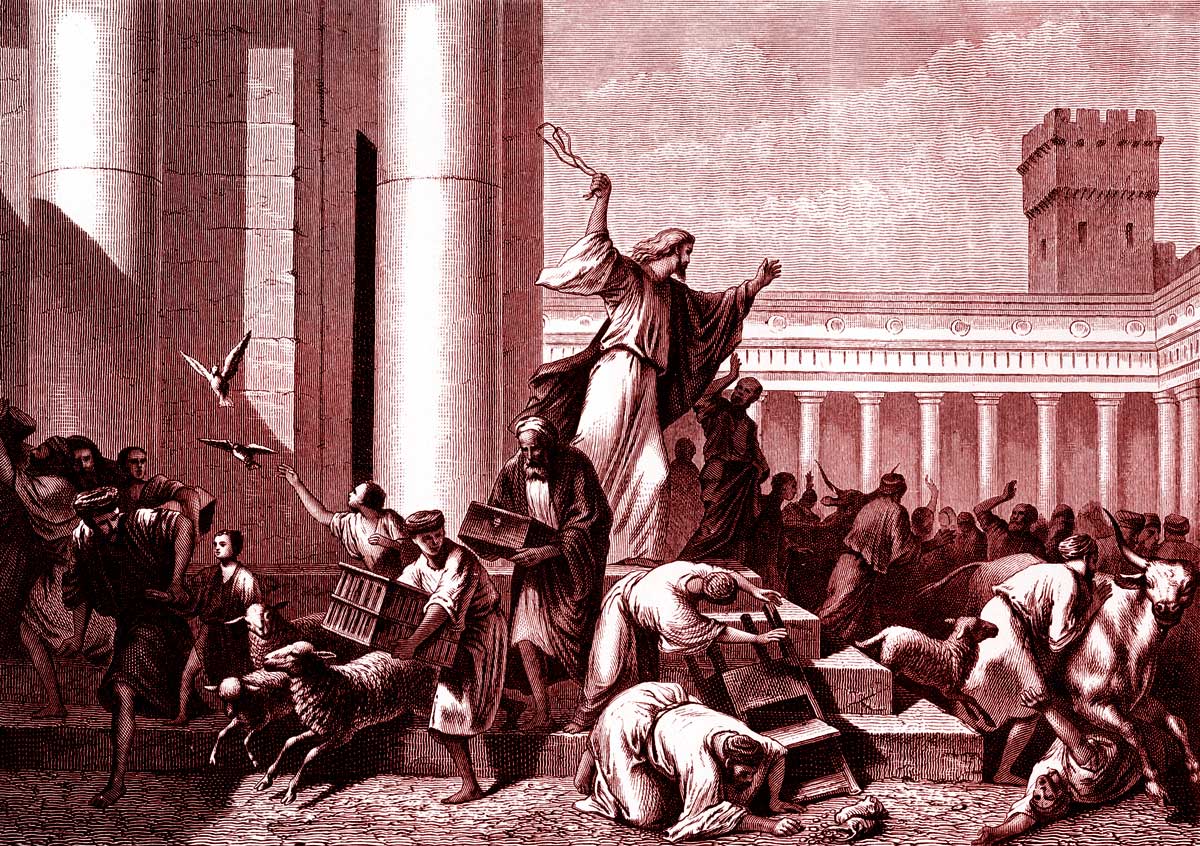
on the Integration of Anger into the Virtuous Life by Leon J. Podles

17.6—July/August 2004
Old Science Confronts a Formidable Challenge in the Scientific ID Movement by Jay W. Richards

30.3—May/June 2017
Insider Attempts to Disorient the Orthodox by Alexander F. C. Webster
calling all readers
Please Donate
"There are magazines worth reading but few worth saving . . . Touchstone is just such a magazine."
—Alice von Hildebrand
"Here we do not concede one square millimeter of territory to falsehood, folly, contemporary sentimentality, or fashion. We speak the truth, and let God be our judge. . . . Touchstone is the one committedly Christian conservative journal."
—Anthony Esolen, Touchstone senior editor
