




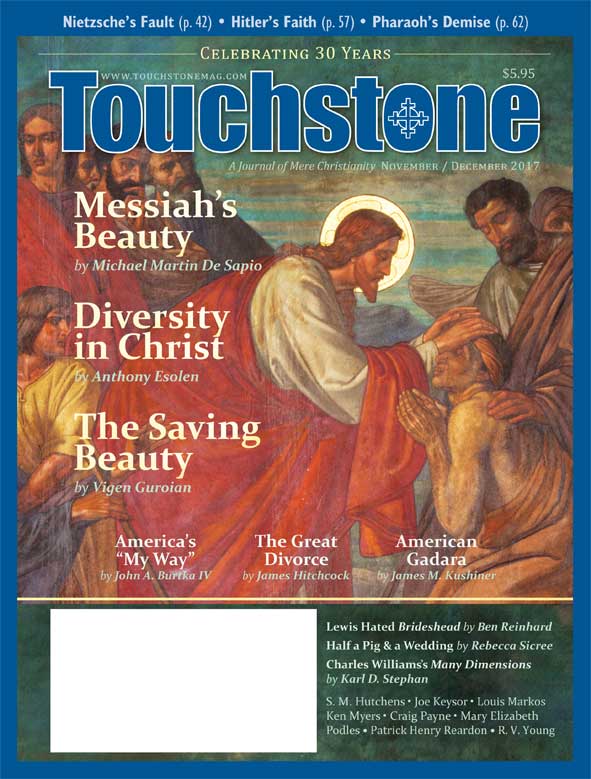
Feature
Can Beauty Save the World?
Neither Dostoevsky nor Prince Myshkin Makes the Case by Vigen Guroian
Twenty years ago, in a small but important book titled On Beauty, Elaine Scarry arraigned what she called the "banishing" of the study of beauty in her own field of English and among the humanities in general. According to her, the complaint against beauty was that study of it, somehow or other, detracts from attention to real suffering in this world and thus also hampers the pursuit of social justice. What is more, even the "look" or the "stare" at a person or thing for its beauty is condemned because that "look" or "stare" objectifies or "reifies" the person or thing that is the subject of the look.
These are silly arguments, but there are many silly arguments that process in academic robes. The ideologically motivated exclusion of beauty as a subject for contemplation and study is, in the last analysis, ridiculous. To her credit, Scarry calls it out as such. Rightly, she argues that an appreciation of and attention to beauty can be unselfish and not self-centered, and may therefore prompt us to take note of the suffering in the world and do something about it, to act fairly towards others and pursue a broader justice.
Her project, however, is narrower than it might have been. Absent in Scarry's book is the full or "complete" argument for beauty that the great tradition of Western thought has made. That tradition has lifted up beauty, together with goodness and truth, as a transcendental through which human beings may participate in all that is divine and eternal. Scarry is not willing to take the bold step of placing beauty on that footing because, I suspect, she, no less than her errant colleagues, has the interests of liberal social justice in mind, above and beyond an appreciation of the contemplation of beauty as in itself ennobling.
There has been a resurgence and renewal of philosophical and theological aesthetics since the publication of On Beauty. And happily, within this renewal books have appeared that make a fuller argument for beauty's transformative power in human life, education, and culture. Those books that immediately come to mind include David Bentley Hart's The Beauty of the Infinite, Roger Scruton's Beauty: A Very Short Introduction, Aidan Nichols's Redeeming Beauty, Gregory Wolfe's Beauty Will Save the World, and Stratford Caldecott's Beauty for the Sake of Truth.
Attributed but Never Spoken
Within the conversation about beauty one often hears reference to the line from Fyodor Dostoevsky's novel The Idiot that "Beauty will save the world." More often than not, this line is cited as if it were a statement Dostoevsky may have made in a speech, letter, or essay. It has thus become something of a maxim regarding the transformative power of beauty that most anyone can pick up and run with.
Scant attention has been given to the meaning that the line obtains in the novel, however. In the novel, several characters attribute the statement to the protagonist Prince Myshkin. In addition to the significant fact that Myshkin does not make the statement in the present, no other character cites or repeats it with a conviction that it is unambiguously true. Within the novel's dramatic action, Dostoevsky's brilliant literary invention obtains a meaning that is not so obviously a self-evident maxim, but is fraught, rather, with ambiguity. In his correspondence, Dostoevsky stated that his aim for the novel was to portray "a perfectly beautiful man." Prince Myshkin was supposed to be that man. But from Dostoevsky's notebooks and letters we learn that, as he wrote the novel, he increasingly recognized that this goal was beyond his creative capacities. After its completion, he wrote to his niece Sofya Ivanovna that he had not succeeded in conveying "a tenth" of what he had set out to accomplish.
The novel begins with Prince Myshkin's descent into Petersburg society one chilly winter day from a mountainous Swiss retreat where for four years he had been treated for the "falling sickness." We soon realize that his eyes and imagination arestrongly attracted to beauty. He is drawn to and bedazzled by beauty, like the fairytale prince who searches for a beautiful princess bride. And yet, early in the novel, when confronted with just such beauty, Myshkin is moved to confess that "Beauty is a riddle." When Lizaveta Prokoyevna Epanchin, the matron of the prosperous family to which he becomes attached, asks the prince how the youngest of her three daughters, Aglaya Ivanovna, impresses him, Myshkin exclaims: "You're an extraordinary beauty, Aglaya Ivanovna. You're so good-looking that one is afraid to look at you." He then adds, "Beauty is difficult to judge; I'm not prepared yet. Beauty is a riddle."
Aglaya Epanchin is one of several characters in the novel from whom we hear that Myshkin has said, "Beauty will save the world." Before a dinner party at which her engagement to Myshkin will be announced, she makes mention of this as she chides him for his idealism and tentativeness about marriage. "Listen, once and for all . . . if you start talking about something like capital punishment, or the economic situation in Russia, or that 'beauty will save the world' . . . I'll certainly be glad and laugh very much, but . . . I'm warning you ahead of time: don't let me set eyes on you afterwards."
Aglaya's barbed jibe echoes Myshkin's earlier confession that Aglaya is "an extraordinary beauty," except that on that occasion, as we have observed, he confessed that he was not "prepared" to speak definitively about beauty. "Beauty is a riddle," he said. Yet if beauty is a riddle, what are we to make of this statement which Aglaya has apparently heard from his lips, "Beauty will save the world"? And if, in that statement, Myshkin has in mind a woman's beauty, how can he be taken seriously? Aglaya unreflectively hears him in this way and so scoffs at the idea.
Vigen Guroian was, until his retirement, Professor of Religious Studies in Orthodox Christianity at the University of Virginia in Charlottesville. His books include Tending the Heart of Virtue: How Classic Stories Awaken a Child's Moral Imagination (2002) and The Orthodox Reality: Culture, Theology, and Ethics in the Modern World (Baker Academic, 2018).
A Journal of Mere Christianity—Delivered to Your Door
- Essays on theology, culture, and the Church
- Contributors from across the Christian traditions

Six print issues (one year) of Touchstone, plus full online access and PDF downloads for only $39.95.

Get a one-year full-access subscription to the Touchstone online archives for only $19.95.
bulk subscriptions
Order Touchstone subscriptions in bulk and save $10 per sub! Each subscription includes 6 issues of Touchstone plus full online access to touchstonemag.com—including archives, videos, and pdf downloads of recent issues for only $29.95 each! Great for churches or study groups.
Transactions will be processed on a secure server.
more on literature from the online archives
32.2—March/April 2019
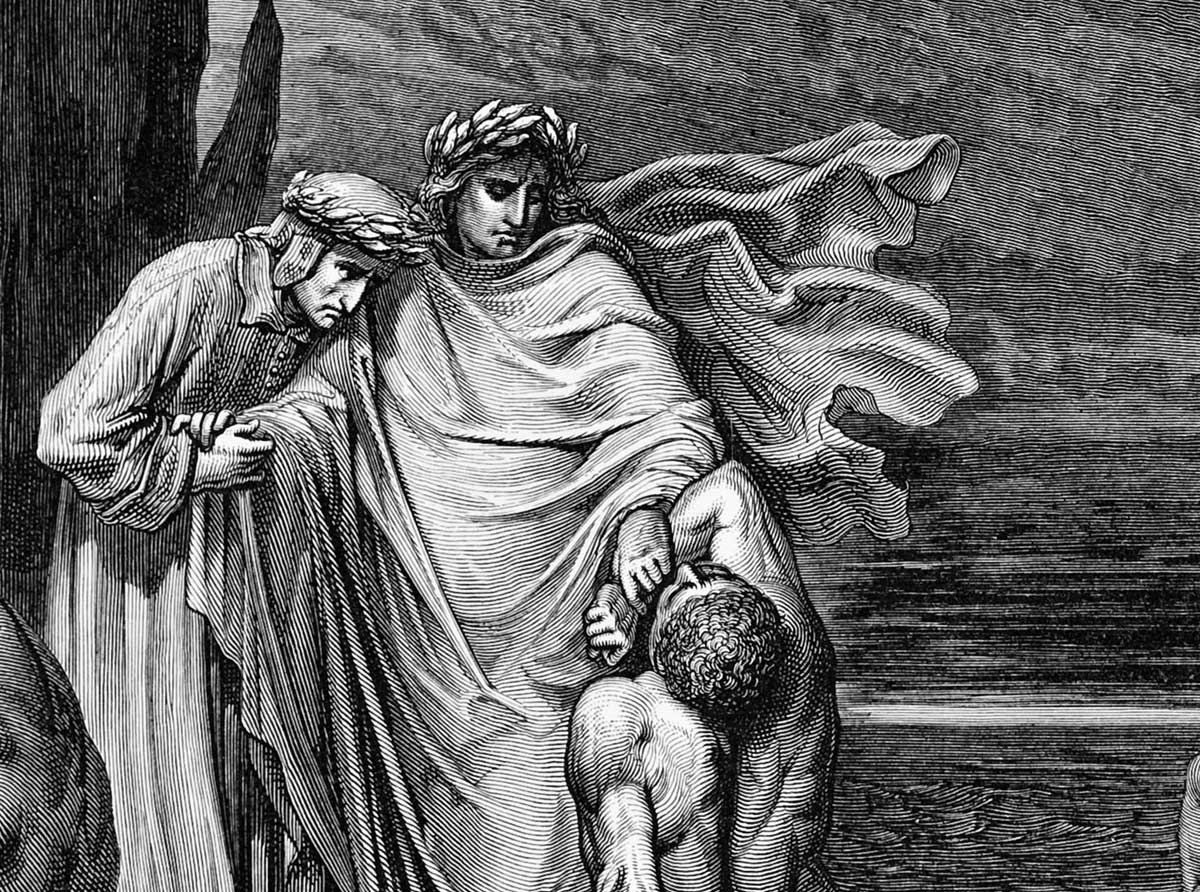
Misguided Mercy & Dante's Infernal Purgation by Joshua Hren


24.1—January/February 2011
Ruminations on the Monstrous Envy of the Soul-Devouring State by Anthony Esolen
more from the online archives
22.6—July/August 2009
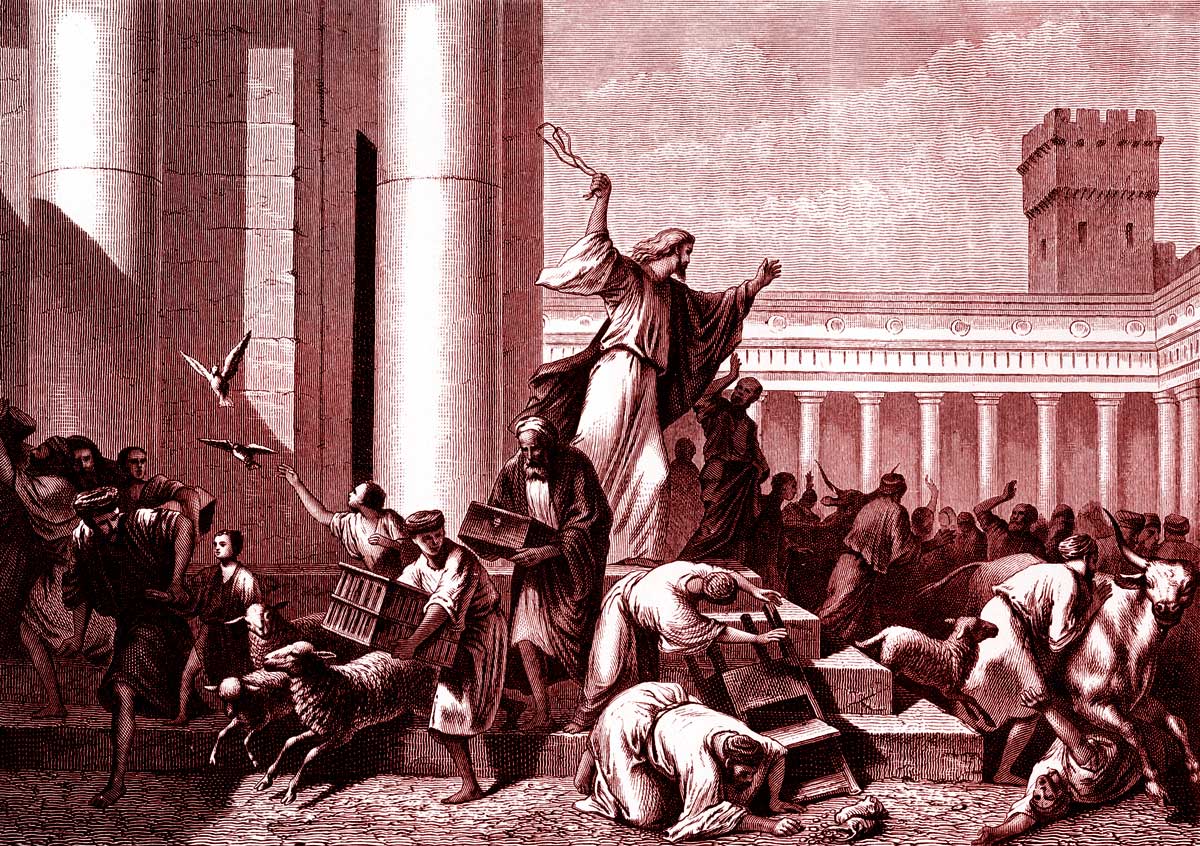
on the Integration of Anger into the Virtuous Life by Leon J. Podles
21.10—December 2008
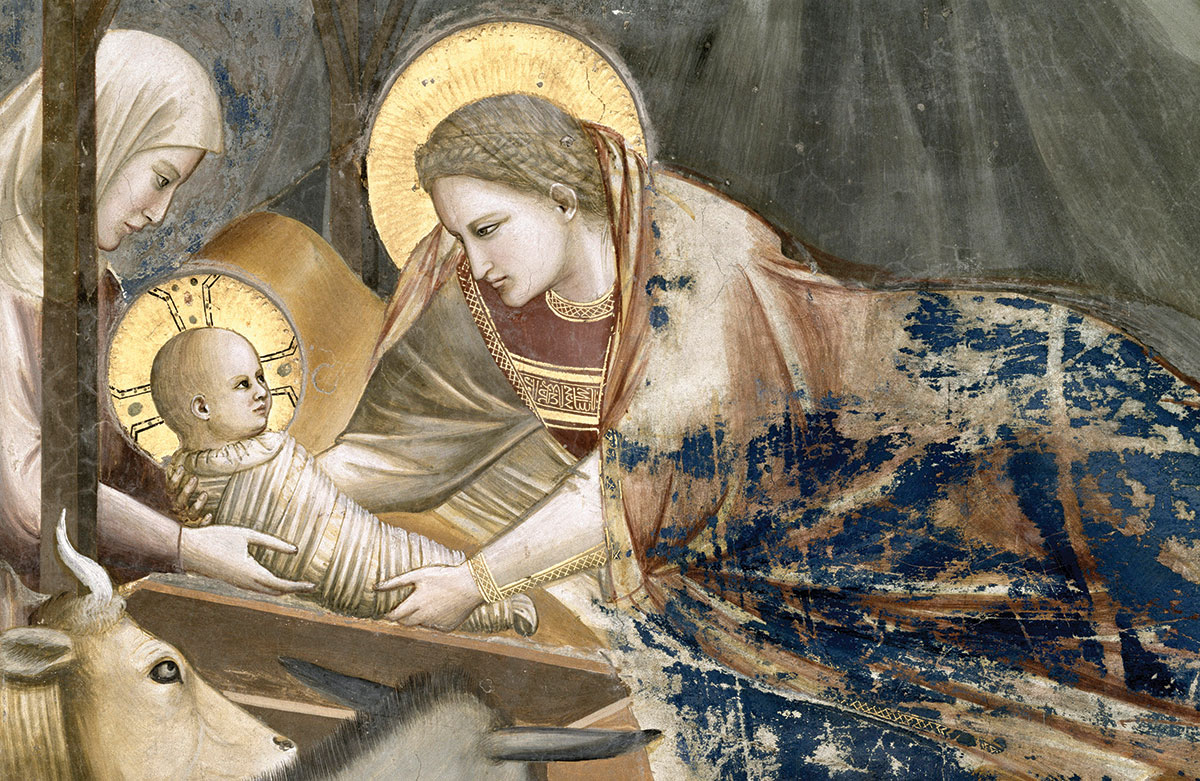
Early Christian Teaching on the Incarnation & Redemption by Patrick Henry Reardon
28.2—March/April 2015
Neo-Pagan Family Policies Doom Any Recovery by Allan C. Carlson
calling all readers
Please Donate
"There are magazines worth reading but few worth saving . . . Touchstone is just such a magazine."
—Alice von Hildebrand
"Here we do not concede one square millimeter of territory to falsehood, folly, contemporary sentimentality, or fashion. We speak the truth, and let God be our judge. . . . Touchstone is the one committedly Christian conservative journal."
—Anthony Esolen, Touchstone senior editor
