





Conference Talk
Discipled Science
The True Scientist Should Have No Conflict with the Christian Faith by Thomas S. Buchanan
Our culture often portrays science and Christianity as being in conflict. This, I believe, is because too few people really understand what science is. If we, as Christians, had a better understanding of science, we would be able to defend ourselves against accusations of ignorance and would do a better job preparing young people to reclaim the sciences for the faithful.
I have a somewhat unusual background in that I am both a scientist and an engineer. I have a doctoral degree in engineering, and I did post-doctoral work in medical sciences. I publish more often in the sciences—about two-thirds of my time is spent doing scientific research while one-third is spent on engineering. Because I have this odd background, I often feel the tension between what science is and what it is not. Scientists approach problems differently than engineers or other scholars do. They follow principles that govern the way they approach problems—principles that must be followed if they wish to have their works published in scientific journals or receive grants to fund their research.
THIS ARTICLE ONLY AVAILABLE TO SUBSCRIBERS.
FOR QUICK ACCESS:
Thomas S. Buchanan is the George W. Laird Professor of Mechanical Engineering and Biomedical Engineering at the University of Delaware. He has studied at UCSD, Northwestern University, and MIT, and has held visiting professorships at the University of Western Australia and the University of Aix-Marseille. He has served as department chairman, deputy dean, and institute director, president of the American Society of Biomechanics, and editor-in-chief of the Journal of Applied Biomechanics. He is on the Board of Trustees of Saint Katherine College, the editorial board of Touchstone, and the board of The Fellowship of St. James.
A Journal of Mere Christianity—Delivered to Your Door
- Essays on theology, culture, and the Church
- Contributors from across the Christian traditions

Six print issues (one year) of Touchstone, plus full online access and PDF downloads for only $39.95.

Get a one-year full-access subscription to the Touchstone online archives for only $19.95.
bulk subscriptions
Order Touchstone subscriptions in bulk and save $10 per sub! Each subscription includes 6 issues of Touchstone plus full online access to touchstonemag.com—including archives, videos, and pdf downloads of recent issues for only $29.95 each! Great for churches or study groups.
Transactions will be processed on a secure server.
more on 2016 Conference from the online archives
more from the online archives

33.2—March/April 2020
Encounters with Faith & Forgiveness in Communities of Faith by Nicole M. King

30.6—Nov/Dec 2017
on C. S. Lewis, Brideshead Revisited & the Middle Things by Ben Reinhard
31.6—November/December 2018
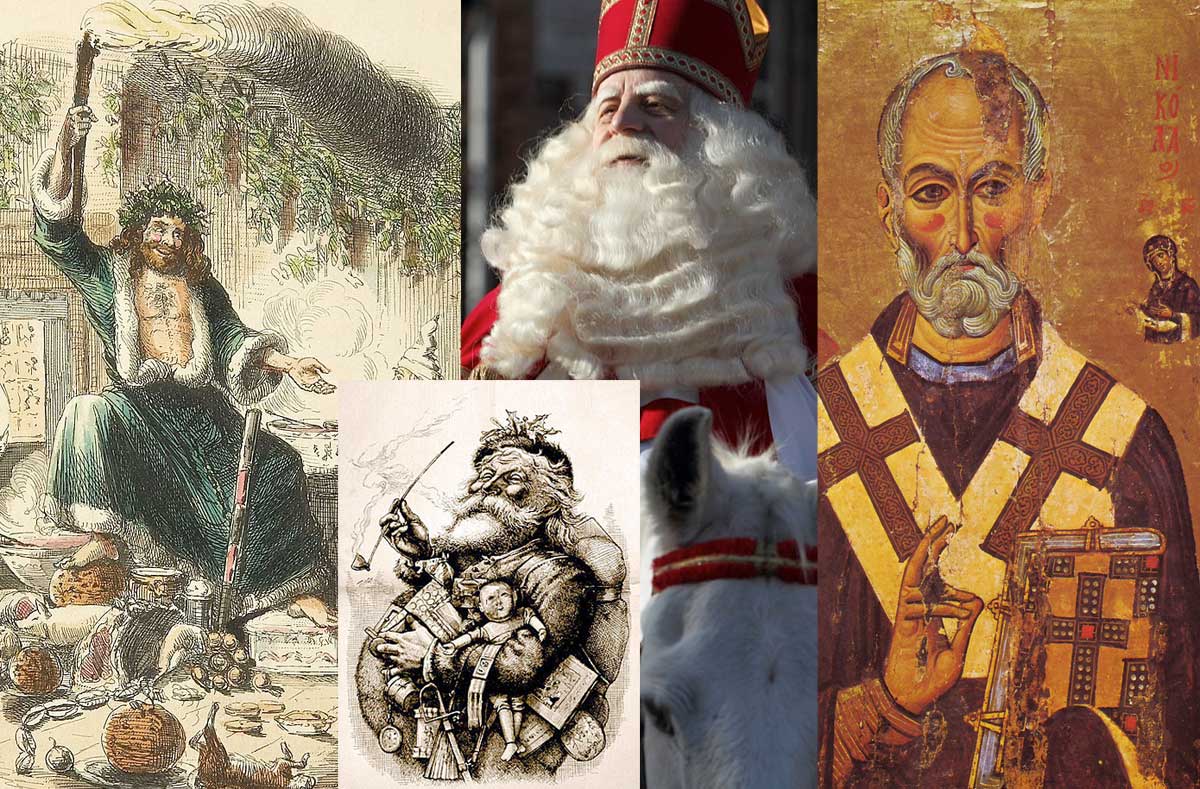
on Childhood Encounters with a Christmas Icon by Rebecca Sicree
calling all readers
Please Donate
"There are magazines worth reading but few worth saving . . . Touchstone is just such a magazine."
—Alice von Hildebrand
"Here we do not concede one square millimeter of territory to falsehood, folly, contemporary sentimentality, or fashion. We speak the truth, and let God be our judge. . . . Touchstone is the one committedly Christian conservative journal."
—Anthony Esolen, Touchstone senior editor
