





View
Sound Theology
Stephen H. Webb on the Primacy of the Word Made Auditory
Voices, by which I mean their audible texture, pressured waves moistened by mouths and propelled by the diaphragm through the air, are as easily lost in time as they are in space. There is no medium through which we can hear the distant past, so we are stuck with the written word to try to figure out what stirred our ancestors' ears. As a result, the soundscapes of the past are silent places. The Gospels say more about what Jesus sounded like than what he looked like—he spoke as one with authority and his voice raised the dead—yet churches have paintings and sculptures of him, not audio samples of what he might have sounded like. The past is not just a foreign country; it is also the land of the mute.
Fortunately, the acoustical limits to our understanding of the unrecorded past are not fixed and immovable. Scientists working in the field of archaeoacoustics have discovered that many ancient sites, from Stonehenge to the Mayan pyramids, were designed to produce amazing sound effects. Paleolithic painted caves, it turns out, have much in common with Romanesque chapels. Stones can't speak, but their acoustical properties tell us that the ancients lived in a richer sonic world than we ever suspected. A few maverick scientists even dream of resurrecting ancient sounds by playing clay vessels as if they are dusty vinyl records. The idea is that vibrations, embossed and preserved on a wet surface, can be transcribed and decoded by sophisticated software. Jesus knew about clay (he made his own according to John 9:11), but it is unlikely that we will ever be able to eavesdrop on one of his conversations inadvertently recorded by a potter's wheel on the grooves of a pot. Many have heard Jesus speak in dreams and visions, but the rest of us overhear him in the words spoken and sung in rituals, prayers, and sermons.
THIS ARTICLE ONLY AVAILABLE TO SUBSCRIBERS.
FOR QUICK ACCESS:
Stephen H. Webb is Professor of Religion and Philosophy at Wabash College. His latest book is The Divine Voice: Christian Proclamation and the Theology of Sound(Brazos Press). He, his wife, and their three children are members of the Lutheran Church (ELCA).
A Journal of Mere Christianity—Delivered to Your Door
- Essays on theology, culture, and the Church
- Contributors from across the Christian traditions

Six print issues (one year) of Touchstone, plus full online access and PDF downloads for only $39.95.

Get a one-year full-access subscription to the Touchstone online archives for only $19.95.
bulk subscriptions
Order Touchstone subscriptions in bulk and save $10 per sub! Each subscription includes 6 issues of Touchstone plus full online access to touchstonemag.com—including archives, videos, and pdf downloads of recent issues for only $29.95 each! Great for churches or study groups.
Transactions will be processed on a secure server.
more from the online archives
22.8—November/December 2009
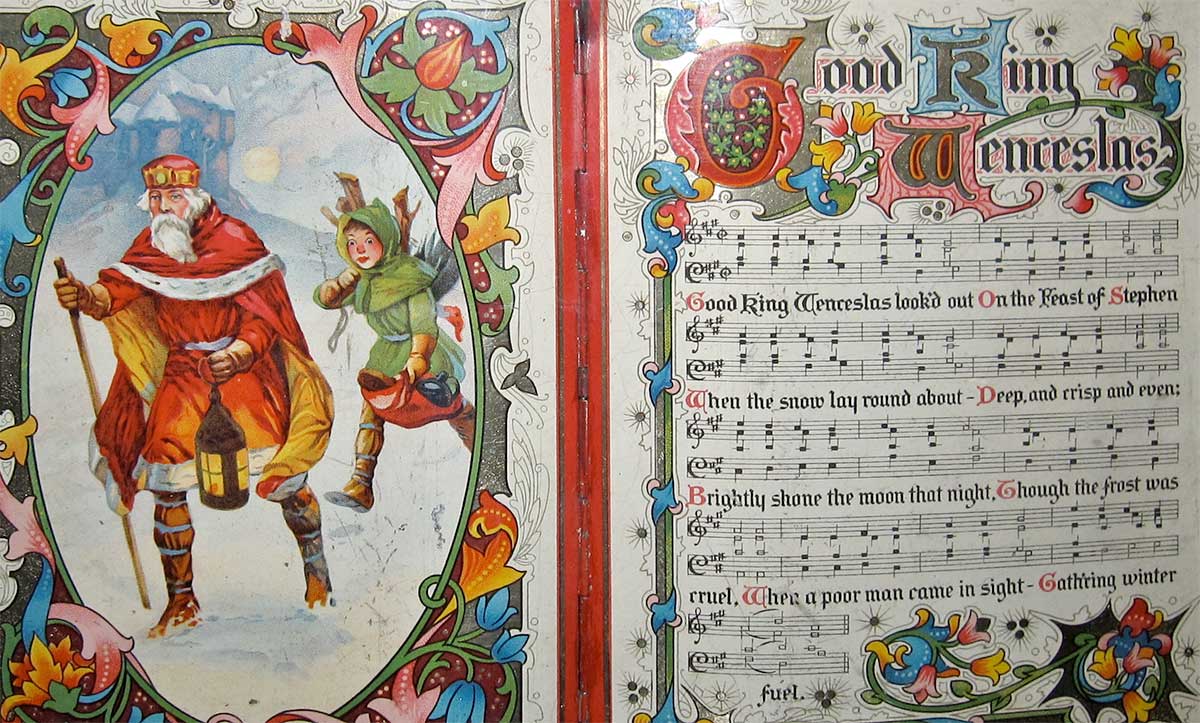
on the Real Men Behind the Christmas Carol by Michael Baum
23.6—November/December 2010
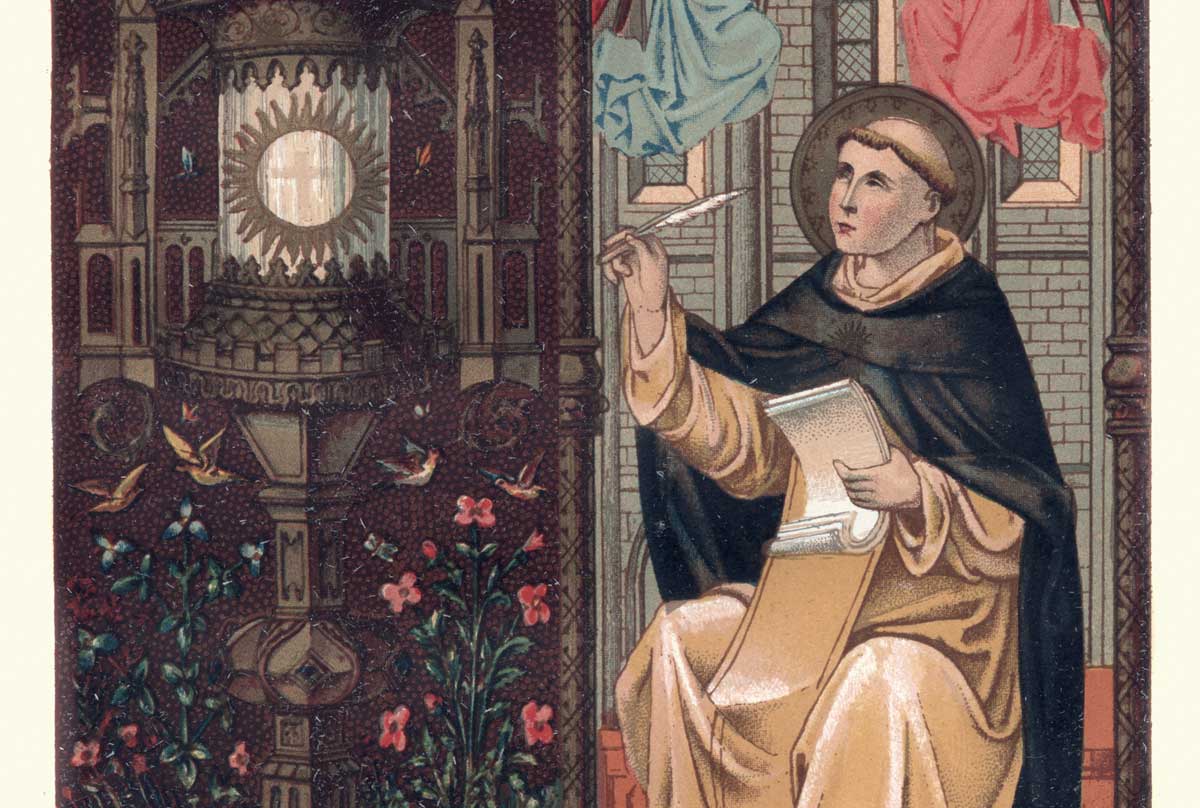
Darwin, Design & Thomas Aquinas
The Mythical Conflict Between Thomism & Intelligent Design by Logan Paul Gage

31.1—January/February 2018
on Taking the Measure of the Deserving & the Undeserving Poor by Martin Bordelon
calling all readers
Please Donate
"There are magazines worth reading but few worth saving . . . Touchstone is just such a magazine."
—Alice von Hildebrand
"Here we do not concede one square millimeter of territory to falsehood, folly, contemporary sentimentality, or fashion. We speak the truth, and let God be our judge. . . . Touchstone is the one committedly Christian conservative journal."
—Anthony Esolen, Touchstone senior editor
