




Divine Collections
Louis Markos on the Transformative Power of Mere Hobbies
The Protestant work ethic, Max Weber famously argued, led directly to the spirit of capitalism. Though one can dispute Weber's cause-and-effect thesis, he is no doubt correct that America has been both blessed and cursed with a sometimes manic work ethic that produces personal and societal shame when it is not satisfied and recognized.
That shame often afflicts American Christians when they indulge in the kind of leisure activities that a far wiser German thinker (Joseph Pieper) celebrated as the true basis of culture. That is to say, though we are good at encouraging our fellow believers to make full use of their spiritual, God-given talents, we are often less eager to champion the exercise of their earthly, man-made hobbies.
Sadly, there are many Christians—especially those with a legalistic bent—who consider hobbies a waste of time, a symptom of bad stewardship that angers God and may even provoke his wrath. Such critics have a point. There are those who use their hobbies as an excuse for distancing themselves from their families, their communities, or their religious duties.
Still, I would suggest that for every one such person, there are many more whose hobbies make them fuller, richer human beings. Through participating in leisure activities that have no "practical" value—that are ends in themselves—they escape from what Pieper calls the "total world of work," from being proletarians whose existence has been reduced to that of a cog in the machine. Such activities have a sacramental quality that lifts the participant out of secular time into eternity. They are practiced, not for the sake of accruing wages, but for the purpose of celebration, contemplation, and illumination.
In the spirit of Pieper's Leisure as a Basis for Culture, I would like to offer a vigorous defense of hobbies as secular disciplines that can, in a limited way, strengthen and deepen our spiritual walk. Indeed, I would propose that hobbies, when properly used, can afford us echoes of Eden and glimpses of heaven that will endure when all that is mortal falls away.
There are, of course, some hobbies that are totally irredeemable and without a shred of heavenly value: pornography for one. That this is so is not only obvious on moral grounds, but can be proven as well by the fact that such hobbies are pursued in secret and "enjoyed" with shame. Have you ever heard anyone say to a person he just met: "Come up to my room; I'd like to show you my collection of pornographic videos. I'm quite proud of them." Enough said on that point.
Kinds of Hobbies
I suppose the least "heavenly" hobbies are collections of one sort or another. In many cases, collectors are like art-for-art's-sake artists: they care more for form than for content and take joy in the objects themselves rather than in any meaning or higher truth that might resonate through them.
Still, not all collectors are like this. Some seek through their hobby that special sense of unity and completion that comes when all the pieces of a puzzle fit together or the last nail of the barn is driven into place. Their collection is more a means to some higher end, that of order and wholeness, than an end in itself. Better yet, they may be seeking through their collection to gather together all the bits of some great but scattered whole, as God himself will some day gather all his people together on the heights of Mount Zion. These desires are but tiny seeds of what in heaven will be fruit and flower, but they are seeds nonetheless, and they just may cling to the sides of our pockets when we take our final journey.
Next come what might be called informational hobbies: trying to learn all one can about a sport or a famous person or a country or an ancient mystery. These hobbies are often marred a bit by pride, by our desire to impress everyone we see with our technical or esoteric knowledge. But they, too, have a seed of glory. "It is the glory of God to conceal a matter, / But the glory of kings is to search out a matter," says Proverbs 25:2, and indeed, God has planted in all our hearts a desire to search out knowledge and wisdom. To focus our efforts on a single subject and to try to see it from every possible angle is to gain discernment and to expand our vision.
Louis Markos , Professor in English and Scholar in Residence at Houston Baptist University, holds the Robert H. Ray Chair in Humanities. His 19 books include Lewis Agonistes; Restoring Beauty: The Good, the True, and the Beautiful in the Writings of C. S. Lewis; On the Shoulders of Hobbits: The Road to Virtue with Tolkien and Lewis; and From A to Z to Narnia with C. S. Lewis.
A Journal of Mere Christianity—Delivered to Your Door
- Essays on theology, culture, and the Church
- Contributors from across the Christian traditions

Six print issues (one year) of Touchstone, plus full online access and PDF downloads for only $39.95.

Get a one-year full-access subscription to the Touchstone online archives for only $19.95.
bulk subscriptions
Order Touchstone subscriptions in bulk and save $10 per sub! Each subscription includes 6 issues of Touchstone plus full online access to touchstonemag.com—including archives, videos, and pdf downloads of recent issues for only $29.95 each! Great for churches or study groups.
Transactions will be processed on a secure server.
more from the online archives
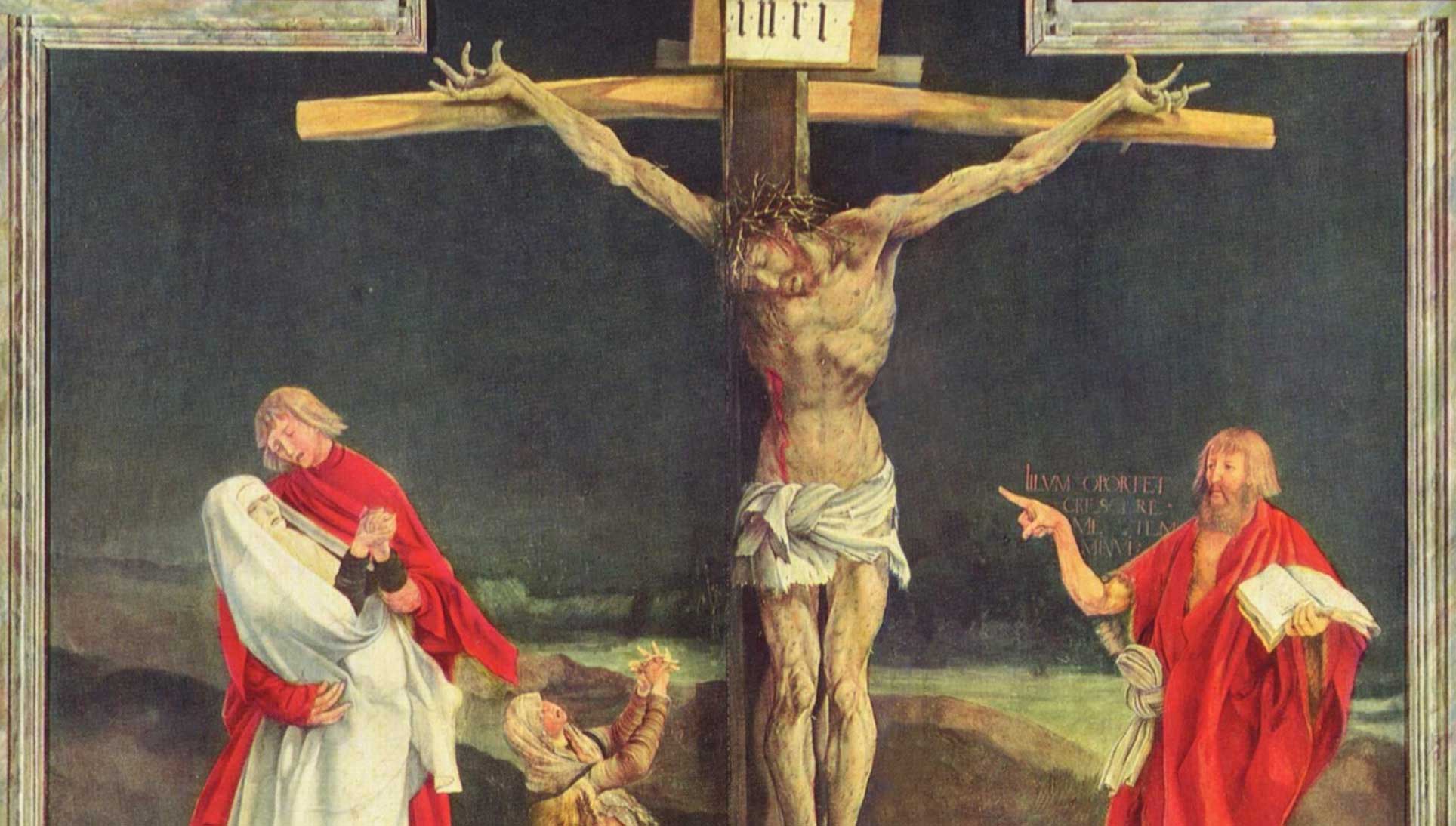
30.6—Nov/Dec 2017
on Benedict XVI on the Fairest of the Sons of Men by Michael Martin De Sapio

29.1—Jan/Feb 2016
Secular Credibility Is a Devilish Temptation by James Hitchcock
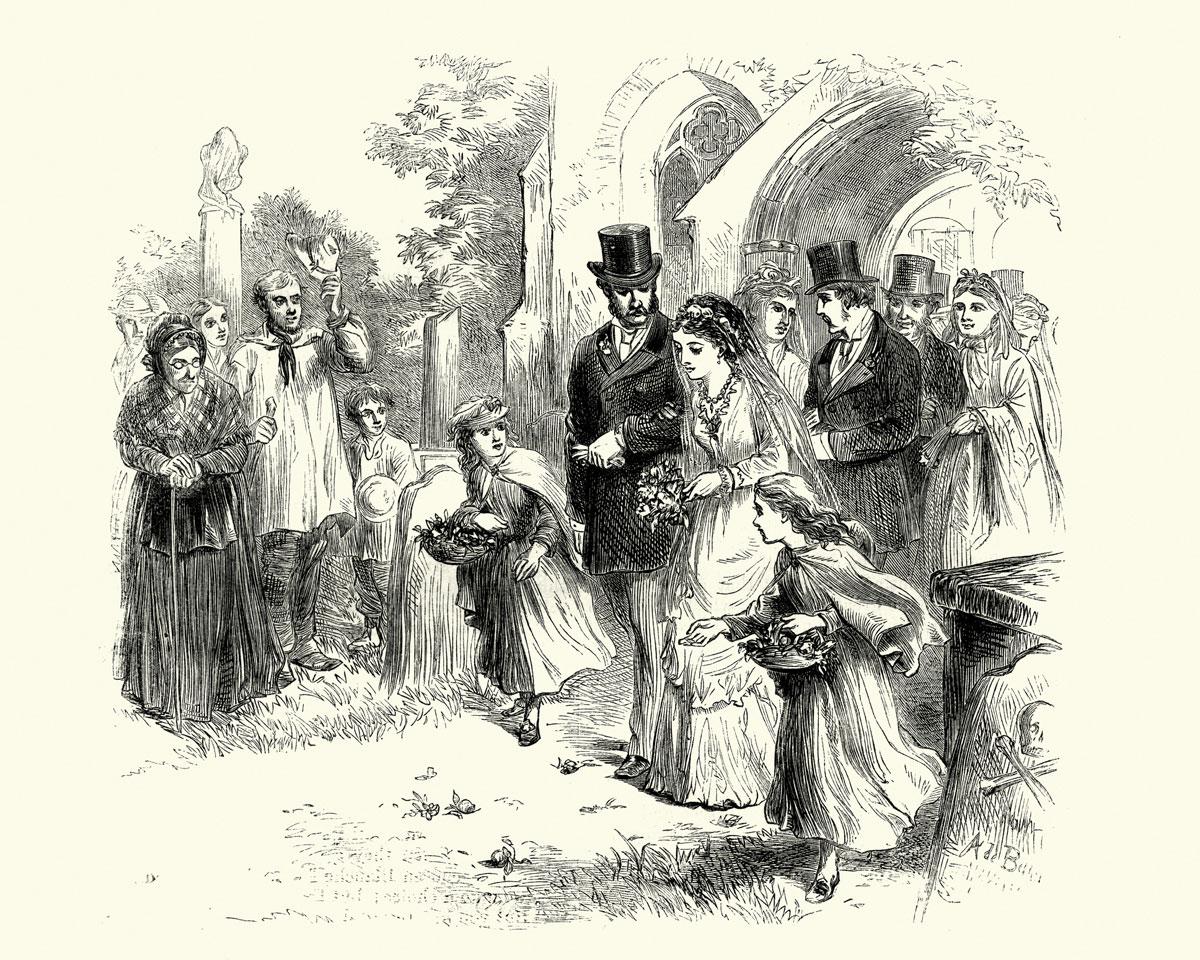
27.3—May/June 2014
Facts versus Stereotypes About Love & Marriage in the Land of the Free by Allan C. Carlson
calling all readers
Please Donate
"There are magazines worth reading but few worth saving . . . Touchstone is just such a magazine."
—Alice von Hildebrand
"Here we do not concede one square millimeter of territory to falsehood, folly, contemporary sentimentality, or fashion. We speak the truth, and let God be our judge. . . . Touchstone is the one committedly Christian conservative journal."
—Anthony Esolen, Touchstone senior editor
