





Column: As It Is Written . . .
The Eternal Son
by Patrick Henry Reardon
Several decades ago a new parishioner remarked that I seemed to have a "high Christology." Responding to my comment that I had no idea what he was talking about, he explained that a high Christology believes in Jesus' pre-existence as God's Son. A "low Christology," on the other hand, believes that the human being Jesus was adopted as God's Son, whether at his Baptism, or his Resurrection, or whatever. "Christians," I asked, "who don't believe Jesus is God's eternal Son? How can that be?"
As I have thought about this matter over the years, one idea has become perfectly clear: The early Christians knew nothing about a "low" Christology; even the Arians believed in a pre-existence of Christ!
THIS ARTICLE ONLY AVAILABLE TO SUBSCRIBERS.
FOR QUICK ACCESS:
Patrick Henry Reardon is pastor emeritus of All Saints Antiochian Orthodox Church in Chicago, Illinois, and the author of numerous books, including, most recently, Out of Step with God: Orthodox Christian Reflections on the Book of Numbers (Ancient Faith Publishing, 2019).
subscription options
Order
Print/Online Subscription

Get six issues (one year) of Touchstone PLUS full online access including pdf downloads for only $39.95. That's only $3.34 per month!
Order
Online Only
Subscription

Get a one-year full-access subscription to the Touchstone online archives for only $19.95. That's only $1.66 per month!
bulk subscriptions
Order Touchstone subscriptions in bulk and save $10 per sub! Each subscription includes 6 issues of Touchstone plus full online access to touchstonemag.com—including archives, videos, and pdf downloads of recent issues for only $29.95 each! Great for churches or study groups.
Transactions will be processed on a secure server.
more from the online archives
32.5—September/October 2019
Some Trivial Thoughts on the Study of Philosophy by Graeme Hunter
28.3—May/June 2015
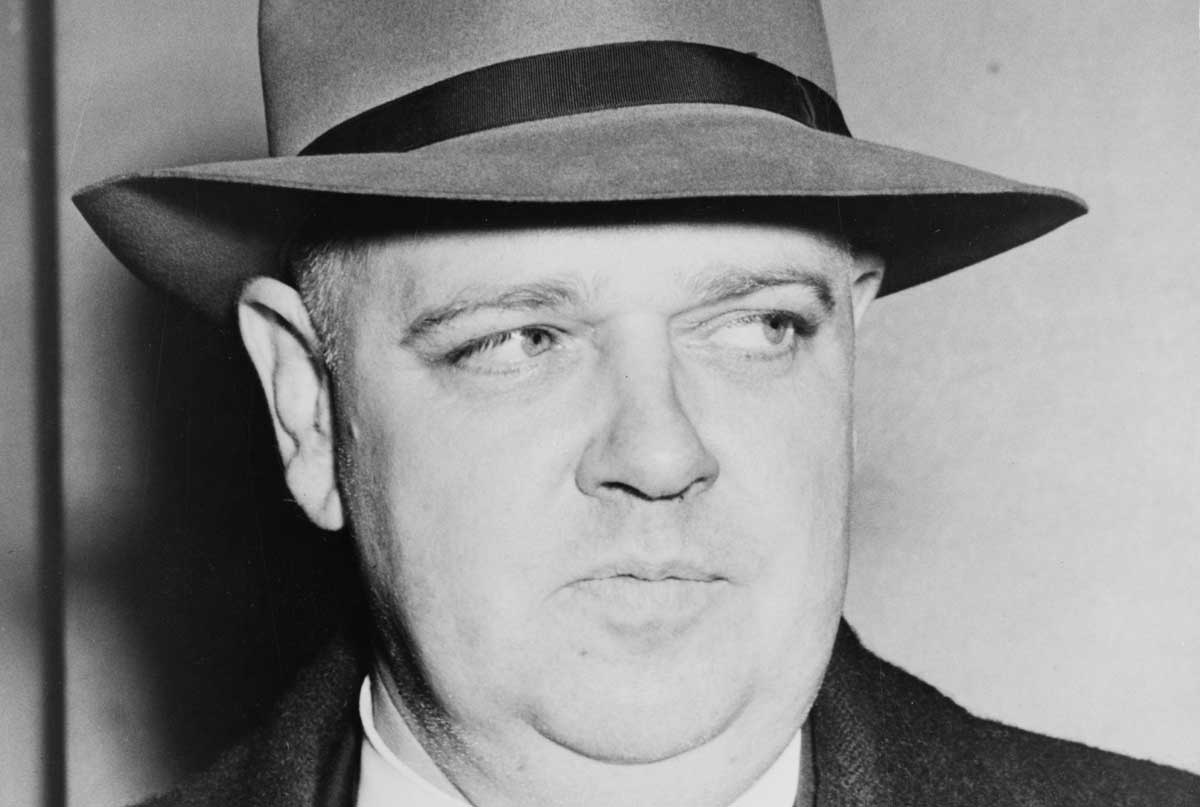
Whittaker Chambers's Lonely War Against Godless Collectivism by Hunter Baker
calling all readers
Please Donate
"There are magazines worth reading but few worth saving . . . Touchstone is just such a magazine."
—Alice von Hildebrand
"Here we do not concede one square millimeter of territory to falsehood, folly, contemporary sentimentality, or fashion. We speak the truth, and let God be our judge. . . . Touchstone is the one committedly Christian conservative journal."
—Anthony Esolen, Touchstone senior editor
