Patriot Dust by Anthony Esolen

ILLUMINATIONS

Patriot Dust

by Anthony Esolen

Last year, during our quadrennial national masquerade, partisans of the left made a plea that was pitiable in its pathos and insubstantiality. "We must support the government," they said, "because government is the only thing we all share in common." And that must end us; that must be our cure.

Our fathers would have shaken their heads in sadness. Do we Americans share nothing else? What about the very place where we live, the templed hills, as the lovely old hymn has it; not the majestic mountains and rivers so much as the rocks and rills of our native country? What has happened to home? The words of Walter Scott ring in my ears:

Breathes there the man with soul so dead,
Who never to himself hath said,
"This is my own, my native land!"

Which land is much more than geography. Here's where the brave Washington and his men rowed across the icy Delaware to surprise the Hessians, foreign soldiers for hire. This is the home of the game once called "rounders," which farm boys on open fields and city boys in streets turned into a pastime unlike any other. On this day we gather to give thanks to God, who has bestowed upon us a land of incomparable natural wealth and beauty, but more, a land of freedom, where virtue does almost all of the work of law.

America, that land with the soul of a church, once seemed ready to revise the dictum of Aristotle, and to show the world that man is an ecclesiastical animal, made to advance on earth towards his end only among his fellow worshipers. A single voice doth not a chorus make. But now, apparently, we share nothing that lifts the heart. We are but fellow morsels for Jabba the State.

At what seemed the height of the British Empire, but was its blaze of glory before sunset, Rudyard Kipling wrote a book of poetry, The Five Nations, on British duty and British right. One of the poems from the volume enters our hymnals as "God of Our Fathers, Known of Old," sung to Old Hundred Twelfth, a somber and meditative minor-key melody. Kipling is often dismissed as a jingoist, but that's not entirely fair. His poem is a warning. The shouts of the battlefield will fall silent, and kings will depart, but what God looks to is none of these glorious things, no balance sheets, no ships filled with spices and gold, but a humble and contrite heart. If God is not with us, anything or anyone at all might be against us, and we will crumble. So at the end of each of his first four stanzas, Kipling begs God not to leave us, "lest we forget."

The third stanza might apply to any nation grown too great for humility:

Far-called, our navies melt away;
On dune and headland sinks the fire:
Lo, all our pomp of yesterday
Is one with Nineveh and Tyre!
Judge of the nations, spare us yet,
Lest we forget—lest we forget!

That allusion to the lost cities is perfectly chilling. Nineveh, through whose broad streets Jonah walked for three days, is an empty plain for the beetle and the scorpion. Alexander commanded his armies to throw a causeway from the coast to old, sea-protected Tyre, and then he razed it to the ground. Kipling does not say that Britain will suffer the same fate. He uses the present tense: all our pomp of yesterday is one with Nineveh and Tyre. Doubtless he knew his history too well to be deceived by outward shows. Perhaps Rome under the good and long-lived emperor Antoninus Pius was like Britain under the good and long-lived Victoria—a grand and imposing house, ridden with termites. How grand and imposing the United States appears, I cannot tell.

I can say that we'd do well to let Kipling's verses move us to penitence. Kipling will not allow his fellow Britons to hug themselves for their cultural superiority to the peoples they rule:


Anthony Esolen is Distinguished Professor of Humanities at Thales College and the author of over 30 books, including Real Music: A Guide to the Timeless Hymns of the Church (Tan, with a CD), Out of the Ashes: Rebuilding American Culture (Regnery), and The Hundredfold: Songs for the Lord (Ignatius). He has also translated Dante’s Divine Comedy (Random House) and, with his wife Debra, publishes the web magazine Word and Song (anthonyesolen.substack.com). He is a senior editor of Touchstone.

A Journal of Mere Christianity—Delivered to Your Door

  • Essays on theology, culture, and the Church
  • Contributors from across the Christian traditions
Subscribe (Print + Online)

Six print issues (one year) of Touchstone, plus full online access and PDF downloads for only $39.95.

Subscribe (Online Only)

Get a one-year full-access subscription to the Touchstone online archives for only $19.95.


bulk subscriptions

Order Touchstone subscriptions in bulk and save $10 per sub! Each subscription includes 6 issues of Touchstone plus full online access to touchstonemag.com—including archives, videos, and pdf downloads of recent issues for only $29.95 each! Great for churches or study groups.

Transactions will be processed on a secure server.


more on america from the online archives
29.2—March/April 2016

Family Phases

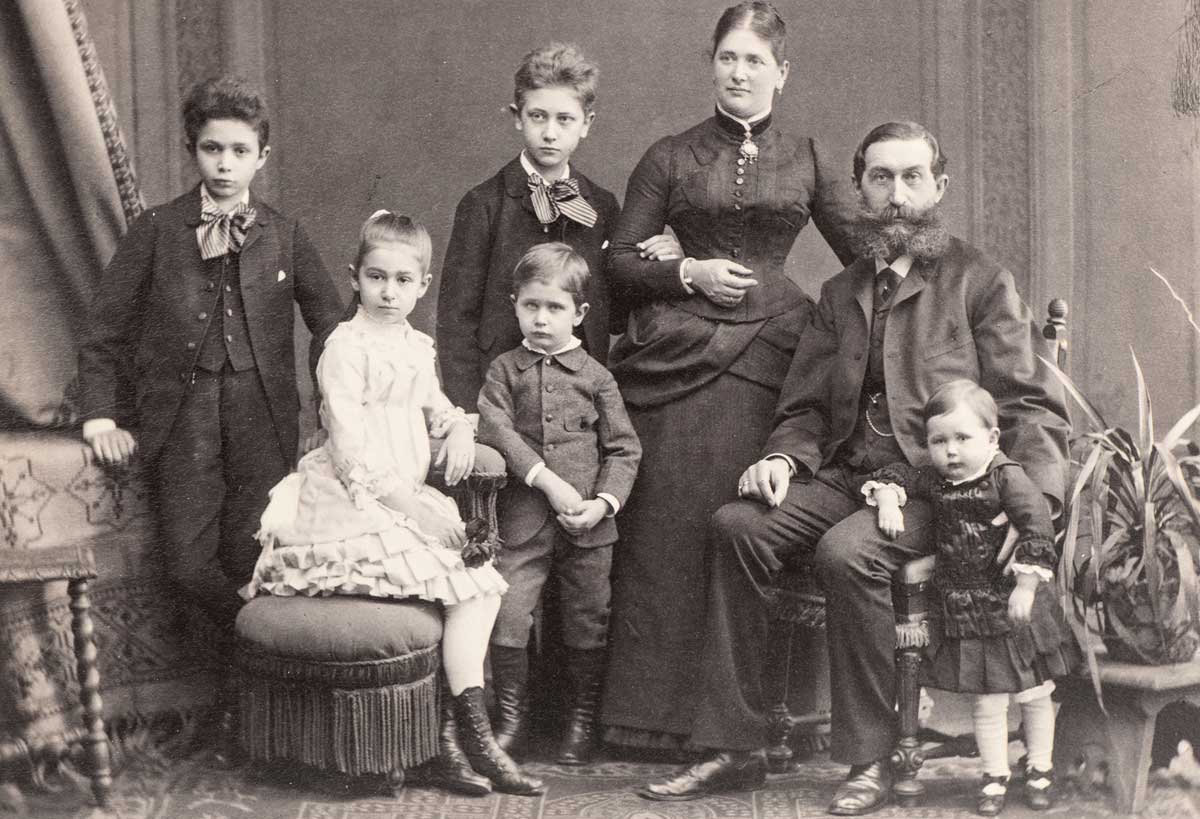
The History of Family Strength in America May Reveal Good News by Allan C. Carlson
30.5—Sept/Oct 2017

Passions' Republic

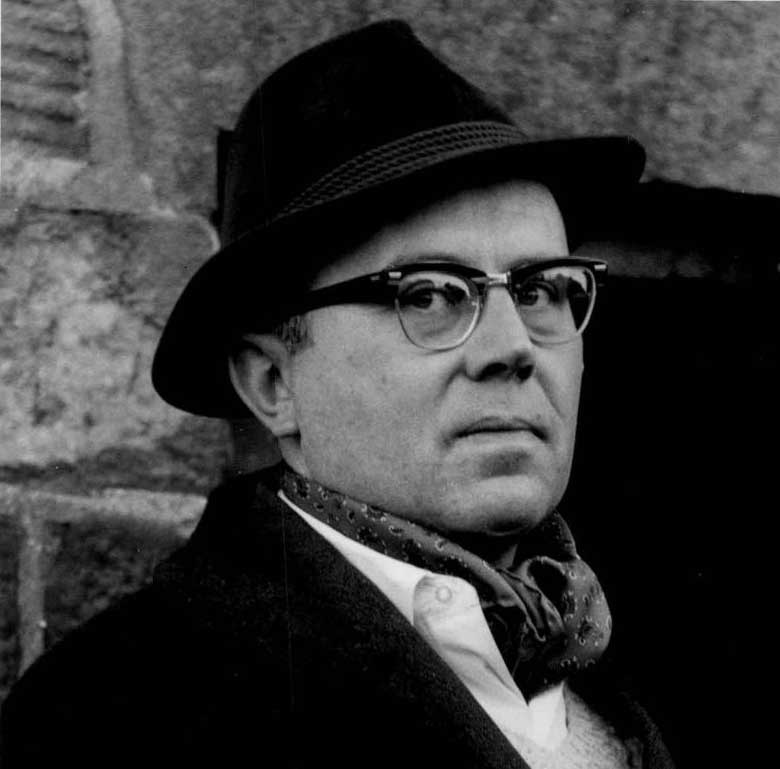
The Christian Cure for What Ails Modern Politics by David Bradshaw

29.4—July/August 2016

Deep Roots

Russell Kirk: American Conservative by Bradley J. Birzer by Hunter Baker

more from the online archives

6.1—Winter 1993

Civilization Without Religion?

by Russell Kirk

31.2—March/April 2018

Millennial Mission

The Transmission of Christianity Is Not a New Task by Nathanael Devlin

27.5—Sept/Oct 2014

The Hundred Years' War

The Culture of Death's Campaign Against the Catholic Church by Brantly Millegan

calling all readers

Please Donate

"There are magazines worth reading but few worth saving . . . Touchstone is just such a magazine."
—Alice von Hildebrand

"Here we do not concede one square millimeter of territory to falsehood, folly, contemporary sentimentality, or fashion. We speak the truth, and let God be our judge. . . . Touchstone is the one committedly Christian conservative journal."
—Anthony Esolen, Touchstone senior editor

Support Touchstone

00