The End Is Clear
Death and Afterlife: A Theological Introduction
by Terence Nichols
Brazos, 2010
(220 pages, $22.99, paperback)
reviewed by Graeme Hunter
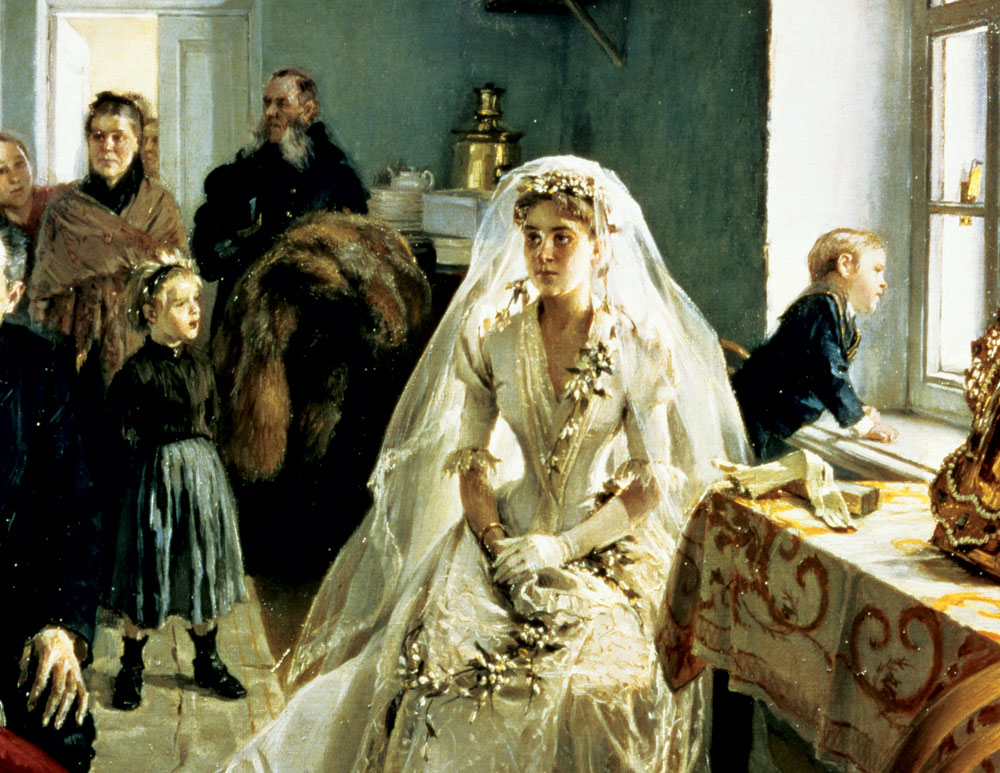
Diane, a mother in her mid-forties, is dying of leukemia, leaving behind her husband and two teenage boys. The stuff of domestic tragedy. You can easily imagine distraught relatives, and nagging questions that have no reply.
However, in Terence Nichols's fine book, Death and Afterlife, Diane's death figures as a luminous episode, which left her loved ones with "an inexplicable sense of peace and joy." Her story serves as a frame for Nichols's book, not only to introduce the wider themes of death and what comes after, but also to prepare the reader to consider the forgotten art of "dying well," the master theme towards which the story builds.
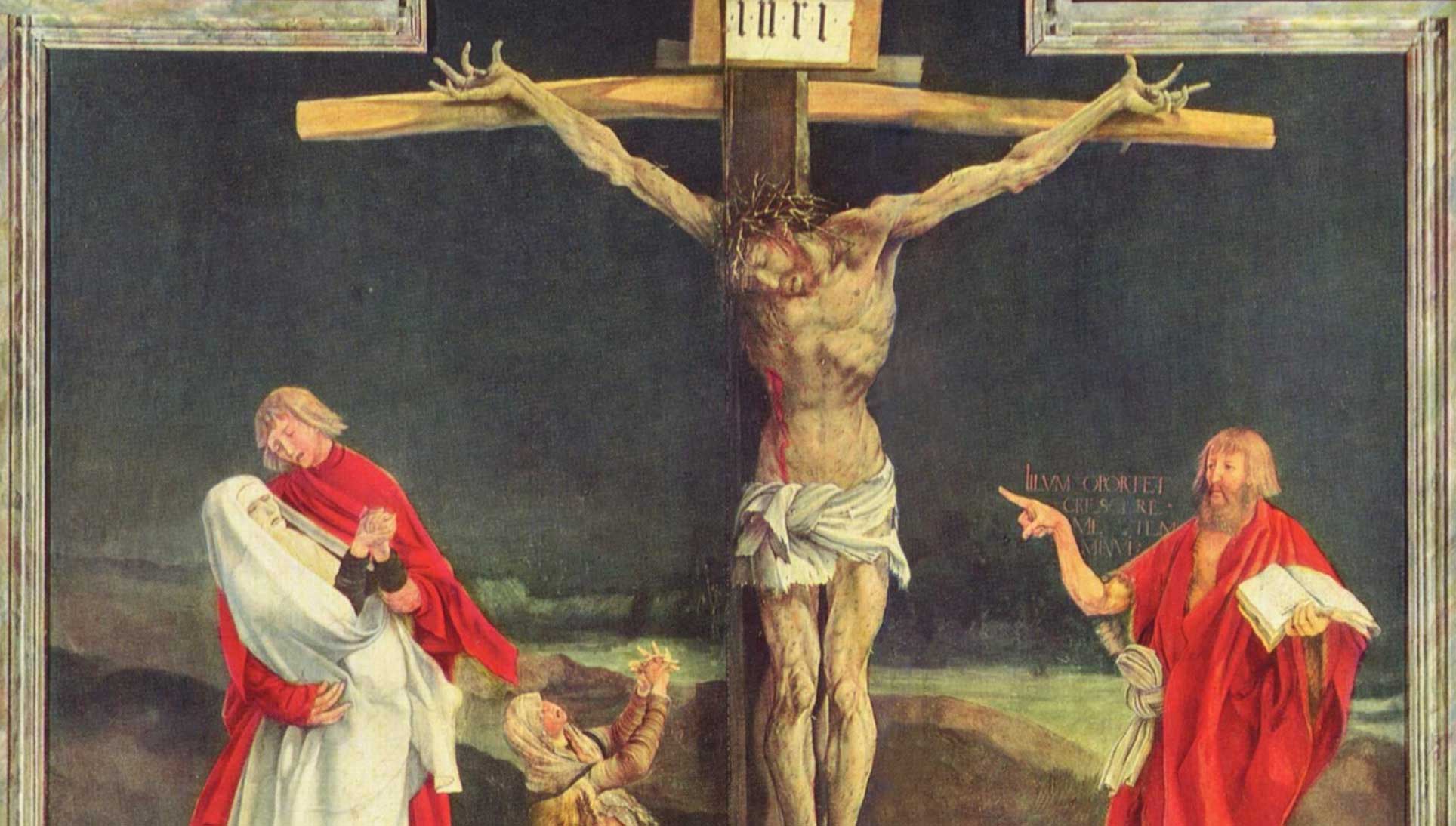
It was wise to defer that unfamiliar theme to the end of the book. Modern people need all the help they can get to grasp an idea so out of keeping with the age. A world as materialistic, scientistic, and consumerist as ours inclines by its nature to impulsive self-absorption, and is little given to introspection about death or the inscrutable reality behind death's door. Instinctively the modern mind thrusts aside such meditations as morbid and medieval. In their place we put the celebration of life. Think of the new style of obituary, in which we are promised a celebration of the loved one's life but seldom a funeral, much less a Service or Mass of Christian Burial. Lacking the concepts to deal intelligently with death, we think it better to avert our gaze.
A Better Approach
Nichols's engaging book offers readers something better. It presents the Christian Church's considered wisdom about death and the afterlife in a manner that is both informed and practical. It addresses the difficulty of integrating Christian belief on these matters with modern presuppositions, and only then turns to offering practical ways of making the contemplation of mortality, resurrection, and eternal life our means of dying well.

The early chapters relate the main stages by which the Christian understanding of last things came to have its present form. Nichols moves with assurance through the Old and New Testaments, the church fathers, the Reformation period, and up to the present day.
He is aware that he "cannot present a comprehensive scholarly account of all the relevant material" in such a short book. Nor does he attempt to hide the diversity of Christian opinion about eschatological matters. He is able, however, to establish the existence of a broad agreement, forged over many centuries, according to which death is the dissolution of the union between an imperishable soul and a perishable body, while the afterlife involves the eventual union of the soul with an immortal, resurrection body, forming a person who is morally continuous with the one who lived and died on earth.
Addressing the Challenges from Science
Graeme Hunter is a contributing editor to Touchstone and Research Professor of Philosophy at Dominican University College in Ottawa. He is the author of Radical Protestantism in Spinoza's Thought (Ashgate).
A Journal of Mere Christianity—Delivered to Your Door
- Essays on theology, culture, and the Church
- Contributors from across the Christian traditions
Six print issues (one year) of Touchstone, plus full online access and PDF downloads for only $39.95.
Get a one-year full-access subscription to the Touchstone online archives for only $19.95.
bulk subscriptions
Order Touchstone subscriptions in bulk and save $10 per sub! Each subscription includes 6 issues of Touchstone plus full online access to touchstonemag.com—including archives, videos, and pdf downloads of recent issues for only $29.95 each! Great for churches or study groups.
Transactions will be processed on a secure server.
more from the online archives

calling all readers
Please Donate
"There are magazines worth reading but few worth saving . . . Touchstone is just such a magazine."
—Alice von Hildebrand
"Here we do not concede one square millimeter of territory to falsehood, folly, contemporary sentimentality, or fashion. We speak the truth, and let God be our judge. . . . Touchstone is the one committedly Christian conservative journal."
—Anthony Esolen, Touchstone senior editor