





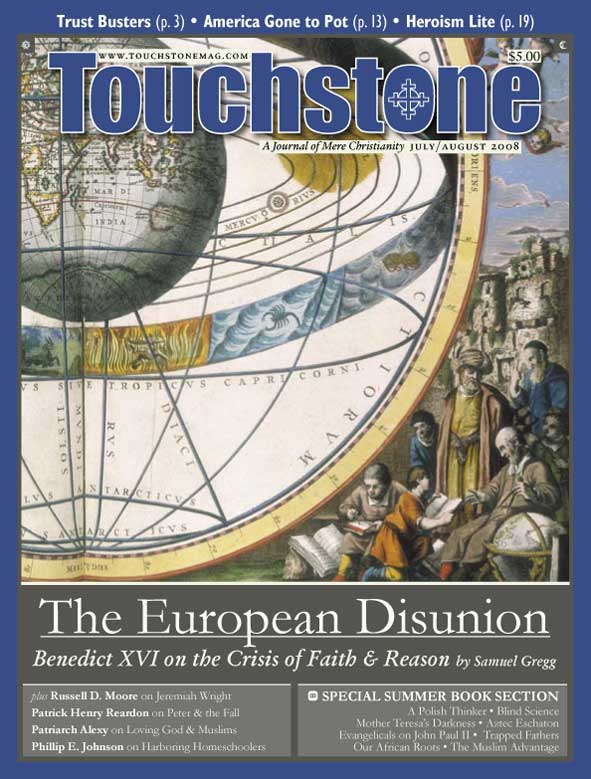
Here We Are
Why Is There Something Rather Than Nothing? 23 Questions from Great Philosophers
by Leszek Kolakowski
Basic, 2007
(240 pages, $20.00, hardcover)
Reading the newspaper can be a demoralizing experience: explosions and elections, scandals and the stock market. Saturated with crises and politics, we might envy the Poles for the antidote of perennial philosophy they received in Leszek Kolakowski’s regular newspaper columns.
THIS ARTICLE ONLY AVAILABLE TO SUBSCRIBERS.
FOR QUICK ACCESS:
Amanda Shaw is a graduate of the Catholic University of America, is a junior fellow at First Things (www.firstthings.com). She attends the Church of Our Savior in Manhattan.
A Journal of Mere Christianity—Delivered to Your Door
- Essays on theology, culture, and the Church
- Contributors from across the Christian traditions

Six print issues (one year) of Touchstone, plus full online access and PDF downloads for only $39.95.

Get a one-year full-access subscription to the Touchstone online archives for only $19.95.
bulk subscriptions
Order Touchstone subscriptions in bulk and save $10 per sub! Each subscription includes 6 issues of Touchstone plus full online access to touchstonemag.com—including archives, videos, and pdf downloads of recent issues for only $29.95 each! Great for churches or study groups.
Transactions will be processed on a secure server.
more from the online archives
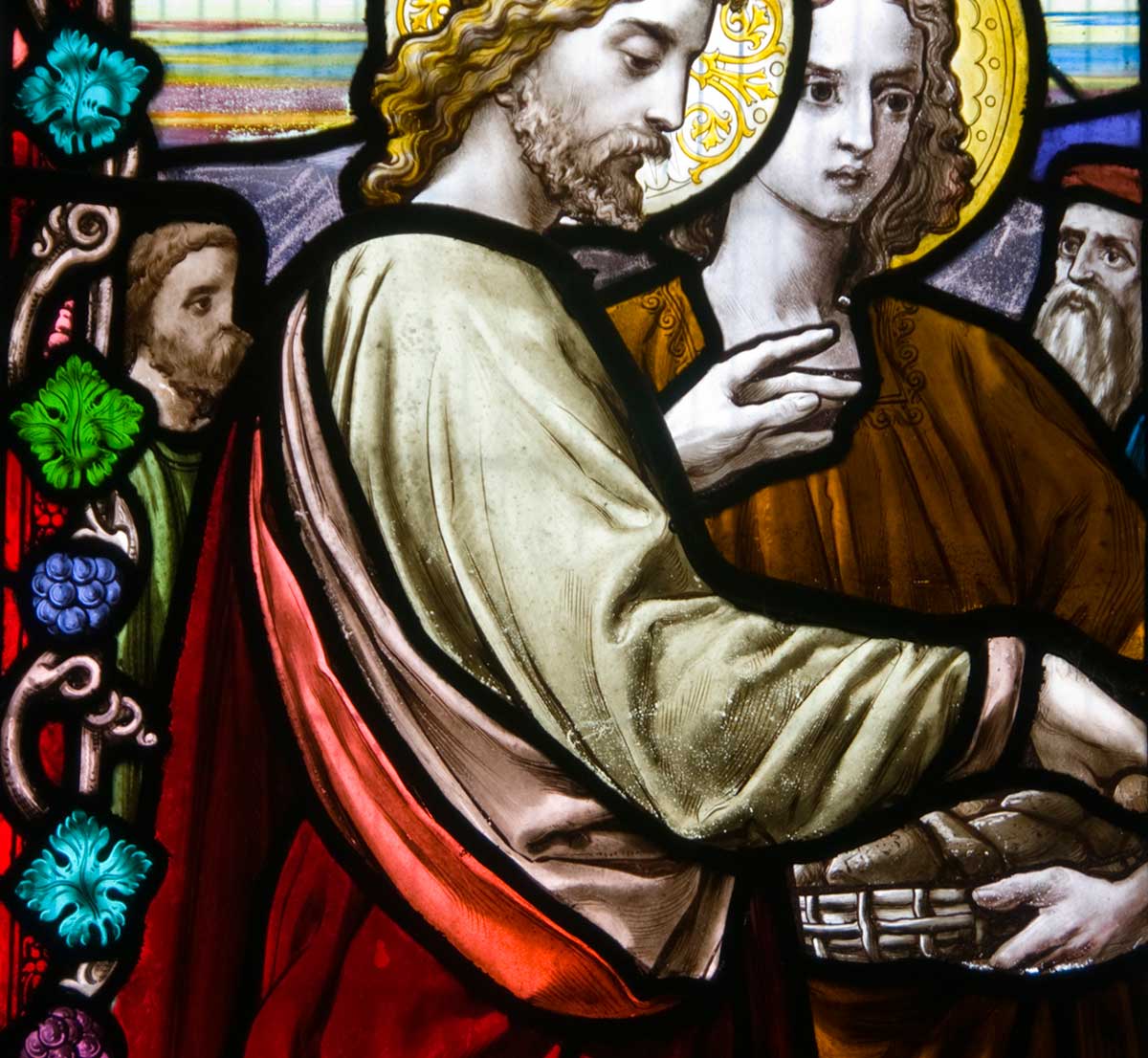
32.2—March/April 2019
on Preserving Physical & Spiritual Nourishment by Nathanael Devlin
33.1—January/February 2020
on a Saint's Charism That Cures Toxic Perfectionism by Colleen Carroll Campbell
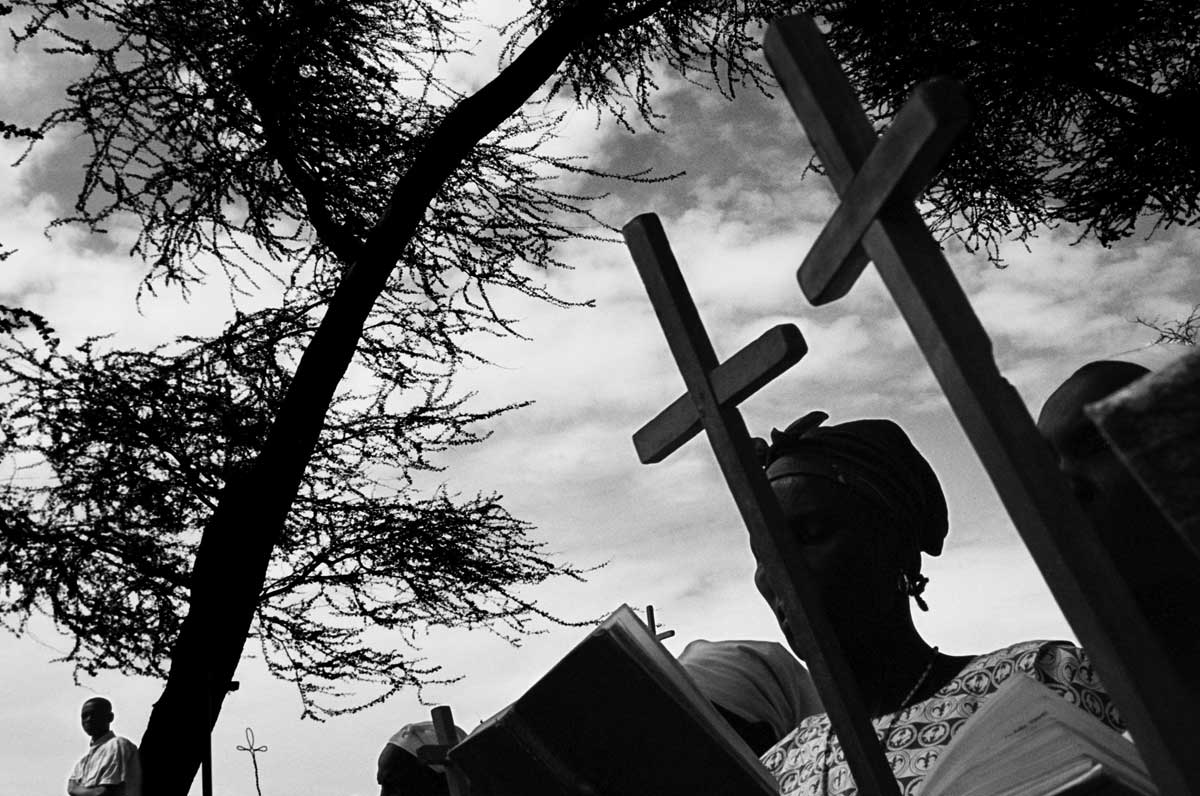
27.3—May/June 2014
Religious Freedom & Why It Matters
Working in the Spirit of John Leland by Robert P. George
calling all readers
Please Donate
"There are magazines worth reading but few worth saving . . . Touchstone is just such a magazine."
—Alice von Hildebrand
"Here we do not concede one square millimeter of territory to falsehood, folly, contemporary sentimentality, or fashion. We speak the truth, and let God be our judge. . . . Touchstone is the one committedly Christian conservative journal."
—Anthony Esolen, Touchstone senior editor
