




Passing on True Religion
Louis R. Tarsitano on Islam, Christianity, and Moral Education
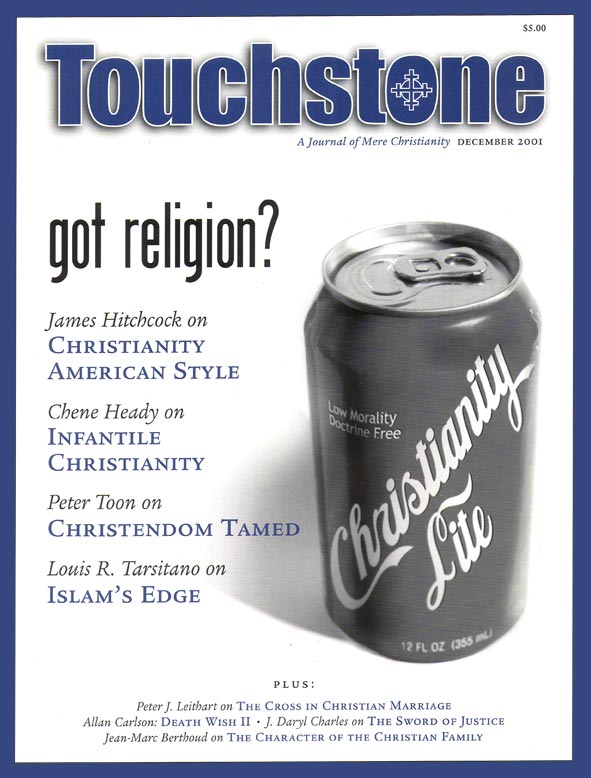
The unsettling, but predictable, news comes from Britain that a recent survey of teenagers of all religious backgrounds revealed that while most Muslim young people believe the teachings of their inherited faith, most young Christians openly reject the teachings of the Church. In other words, young Muslims are much more likely to be Muslims, than young Christians are to be Christians.
The study, conducted by the Reverend Professor Leslie Francis of Bangor University, found, among other things, that only 15 percent of young Roman Catholics believe their Church’s teaching against sex outside marriage. Furthermore, despite their Church’s clear teaching on the sanctity of human life, only half of them opposed abortion. The results among other young British Christians were just as dismal.
THIS ARTICLE ONLY AVAILABLE TO SUBSCRIBERS.
FOR QUICK ACCESS:
Louis R. Tarsitano (d. 2005), a former associate editor of Touchstone, was a priest of the Anglican Church in America and rector of St. Andrew?s Church in Savannah, Georgia. He also was the co-author, with Peter Toon, of Neither Archaic Nor Obsolete: The Language of Common Prayer & Public Worship (Brynmill Press, Ltd., 2003).
A Journal of Mere Christianity—Delivered to Your Door
- Essays on theology, culture, and the Church
- Contributors from across the Christian traditions

Six print issues (one year) of Touchstone, plus full online access and PDF downloads for only $39.95.

Get a one-year full-access subscription to the Touchstone online archives for only $19.95.
bulk subscriptions
Order Touchstone subscriptions in bulk and save $10 per sub! Each subscription includes 6 issues of Touchstone plus full online access to touchstonemag.com—including archives, videos, and pdf downloads of recent issues for only $29.95 each! Great for churches or study groups.
Transactions will be processed on a secure server.
more on christianity from the online archives

22.6—July/August 2009
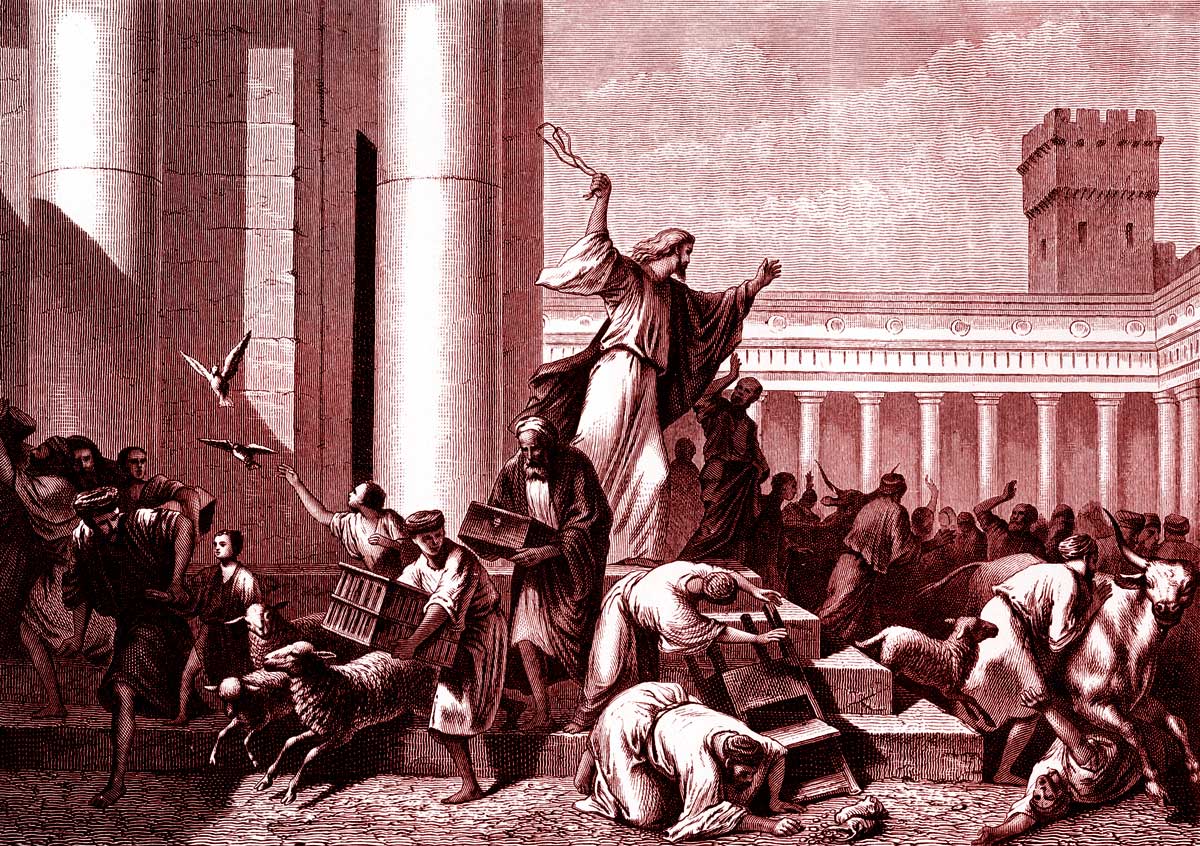
on the Integration of Anger into the Virtuous Life by Leon J. Podles
more from the online archives


30.5—Sept/Oct 2017
on Costly Grace in Breece D'J Pancake's Flyover Country by Casey Chalk
27.6—Nov/Dec 2014
Tales of Forbidden Stereotypes
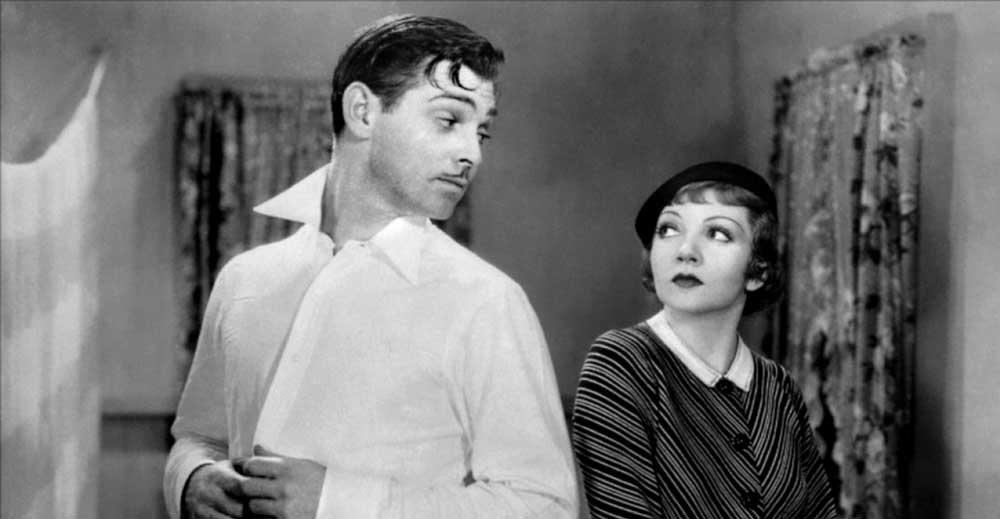
Real-Life Men & Women & the Tragic Loss of Human Comedy by Anthony Esolen
calling all readers
Please Donate
"There are magazines worth reading but few worth saving . . . Touchstone is just such a magazine."
—Alice von Hildebrand
"Here we do not concede one square millimeter of territory to falsehood, folly, contemporary sentimentality, or fashion. We speak the truth, and let God be our judge. . . . Touchstone is the one committedly Christian conservative journal."
—Anthony Esolen, Touchstone senior editor
