





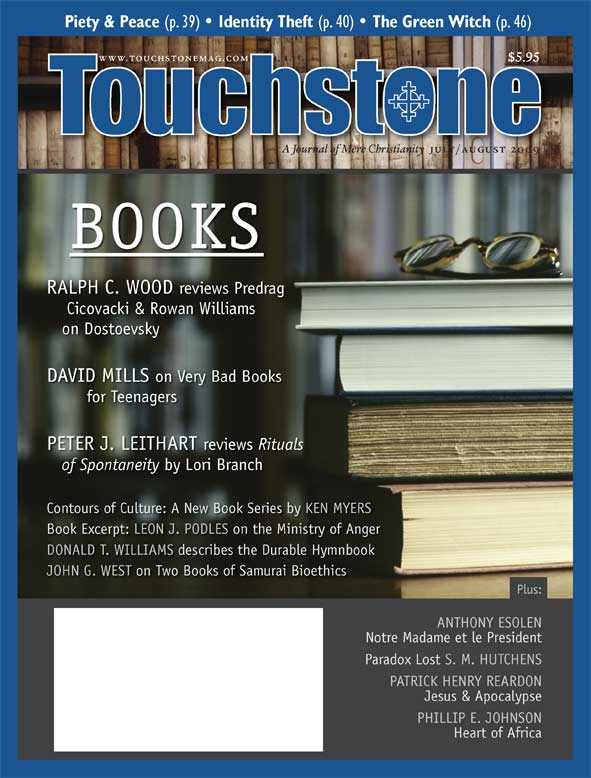
Durable Hymns
Donald T. Williams on Five Marks of Excellence That Could End the Worship Wars
The “worship wars” that rage in the church today are nothing new. St. Ambrose was considered an innovator for writing hymns and teaching his people to sing them. The controversy over melismatic textual elaboration in the Middle Ages was (according to legend) settled by Palestrina’s Pope Marcellus Mass. The Reformation started debates over exclusive psalmody and the use of instruments, debates that continue among Protestants to this day, although they are now overshadowed by heated arguments over contemporary praise and worship music versus traditional hymnody.
THIS ARTICLE ONLY AVAILABLE TO SUBSCRIBERS.
FOR QUICK ACCESS:
Donald T. Williams is Professor Emeritus of Toccoa Falls College. He stays permanently camped out on the borders between serious scholarship and pastoral ministry, between theology and literature, and between Narnia and Middle-Earth. He is the author of fourteen books, including Answers from Aslan: The Enduring Apologetics of C. S. Lewis (DeWard, 2023). He is a contributing editor of Touchstone.
A Journal of Mere Christianity—Delivered to Your Door with Full Online Access
- Essays on theology, culture, and the Church
- Contributors from across the Christian traditions
- Six print issues per year
- Full digital archive access
 Subscribe (Print + Online)
Get six issues (one year) of Touchstone PLUS full online access including pdf downloads for only $39.95.
 Subscribe (Online Only)
Get a one-year full-access subscription to the Touchstone online archives for only $19.95.
bulk subscriptions
Order Touchstone subscriptions in bulk and save $10 per sub! Each subscription includes 6 issues of Touchstone plus full online access to touchstonemag.com—including archives, videos, and pdf downloads of recent issues for only $29.95 each! Great for churches or study groups.
Transactions will be processed on a secure server.
more from the online archives


14.1—January/February 2001
A Sociologist Looks at Fatherlessness & Its Causes by David Blankenhorn
27.3—May/June 2014
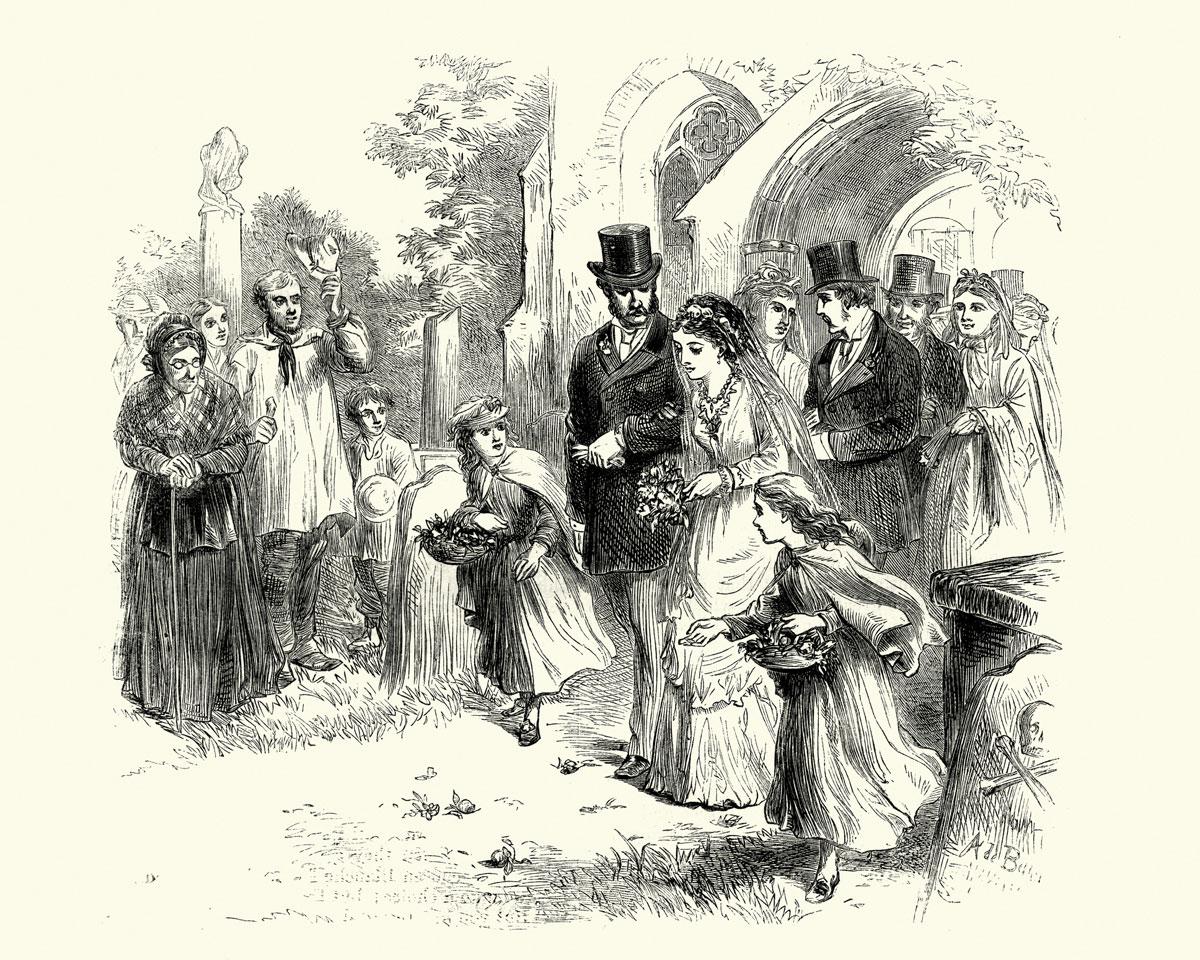
Facts versus Stereotypes About Love & Marriage in the Land of the Free by Allan C. Carlson
calling all readers
Please Donate
"There are magazines worth reading but few worth saving . . . Touchstone is just such a magazine."
—Alice von Hildebrand
"Here we do not concede one square millimeter of territory to falsehood, folly, contemporary sentimentality, or fashion. We speak the truth, and let God be our judge. . . . Touchstone is the one committedly Christian conservative journal."
—Anthony Esolen, Touchstone senior editor
