




Sex Cathedra: Theology from the White House
Amid the many controversies swirling around the Clinton administration, that which erupted over the President’s having attended Mass and having received Communion in a Catholic church in South Africa was soon shrugged off as a series of misunderstandings. But in fact it provided a highly illuminating glimpse into the tangled relationship between religion and politics in the United States.
On March 29 the President attended Mass in a church in the Soweto district, where he came forward and was given Communion by the celebrant, Father Mohlomi Makobane. (Ironically, photographs showed the President receiving Communion directly on the tongue, which in the United States is considered by liturgical bureaucrats a sign of being hopelessly backward.)
Negative reaction in the United States was swift, as several bishops said publicly that the Communion was improper. Most outspoken was Cardinal John J. O’Connor of New York, who criticized the action from the pulpit of St. Patrick’s Cathedral, reminding listeners that not only are non-Catholics ordinarily not allowed to receive Catholic Communion, Catholics too are not to approach the holy table if they are conscious of being out of the state of grace because of grave sin.
The Code of Canon Law, which governs the practice of the entire Catholic Church, forbids reception of Communion by non-Catholics except in cases of “grave necessity,” when the recipients do not have access to the sacraments of their own church and when they share the Catholic understanding of the Eucharist, neither of which conditions applied in Clinton’s case.
The Catholic doctrine of the Real Presence—that in the Mass the bread and wine are transformed into the body and blood of Christ—is shared by very few Protestants. In addition, the Catholic Church understands the Eucharist as at the heart of the Mystical Body of Christ, which is the very life of the Church, and one receives the Eucharist only when in union with the Church.
In characteristic fashion, once Clinton had been criticized for receiving Communion, the White House went on the counterattack, Press Secretary Mike McCurry telling reporters that Cardinal O’Connor simply did not understand the position of the South African bishops’ conference on the matter. The printed program for the Mass that Clinton attended specifically stated that non-Catholics were free to receive Communion, McCurry pointed out.
At first it appeared that he was right. Father Makobane told the media he did not regret giving the President Communion and had acted properly. However, he also revealed that he had simply provided the American embassy in South Africa with a copy of the bishops’ rules. It was the embassy that printed the program inviting non-Catholics to receive Communion.
The official White House explanation unraveled further when a spokesman for the diocese of Johannesburg said that Father Makobane was obliged to seek permission from the bishop before giving Clinton Communion and that he had failed to do so. The official spokesman also explained that the reference in the guidelines to “a special feast or event” when non-Catholics might receive Communion referred to close family members on occasions like weddings and funerals.
Father Makobane defended his actions in part by insisting that he could not embarrass the President by refusing him Communion when he presented himself. But, as the diocesan spokesman pointed out, it had been planned in advance that the President should do so and thus came as no surprise to the celebrant when it happened.
Before long official Vatican spokesmen also stated bluntly that Clinton’s reception of Communion was improper and contrary to canon law. However, when asked if the President regretted having done so, McCurry said he had no regrets whatever.
Reading between the lines, there is a possibility that the event was stage-managed by the presidential party with the knowing cooperation of Father Makobane.
James Hitchcock is Professor emeritus of History at St. Louis University in St. Louis. He and his late wife Helen have four daughters. His most recent book is the two-volume work, The Supreme Court and Religion in American Life (Princeton University Press, 2004). He is a senior editor of Touchstone.
A Journal of Mere Christianity—Delivered to Your Door
- Essays on theology, culture, and the Church
- Contributors from across the Christian traditions

Six print issues (one year) of Touchstone, plus full online access and PDF downloads for only $39.95.

Get a one-year full-access subscription to the Touchstone online archives for only $19.95.
bulk subscriptions
Order Touchstone subscriptions in bulk and save $10 per sub! Each subscription includes 6 issues of Touchstone plus full online access to touchstonemag.com—including archives, videos, and pdf downloads of recent issues for only $29.95 each! Great for churches or study groups.
Transactions will be processed on a secure server.
more on sex from the online archives
32.4—July/August 2019
Does Biblical Language for Man Matter? by Stephen F. Noll
27.6—Nov/Dec 2014
Tales of Forbidden Stereotypes
Real-Life Men & Women & the Tragic Loss of Human Comedy by Anthony Esolen
31.1—January/February 2018
Getting Sex Wrong Is a Foundational Error by James M. Kushiner
more from the online archives
24.1—January/February 2011
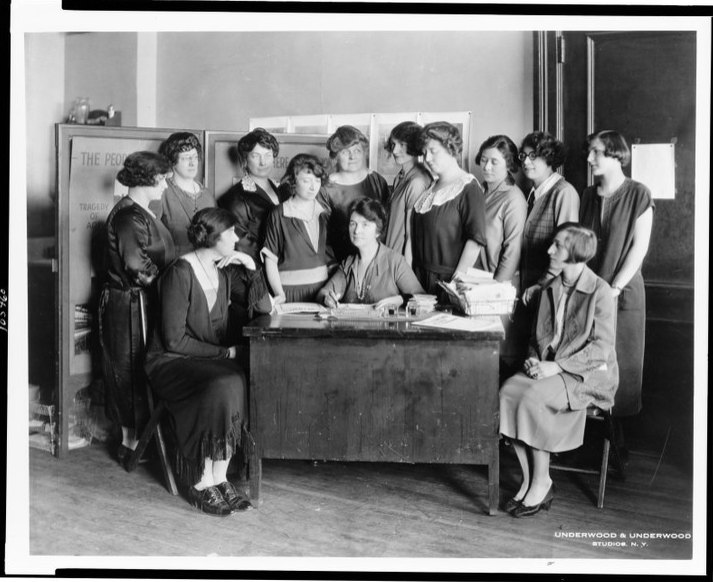
How Planned Parenthood's Founder Played the Christians, and Won by Allan C. Carlson
31.4—July/August 2018
Labels & the Ecumenism of Discipleship by James M. Kushiner
33.2—March/April 2020
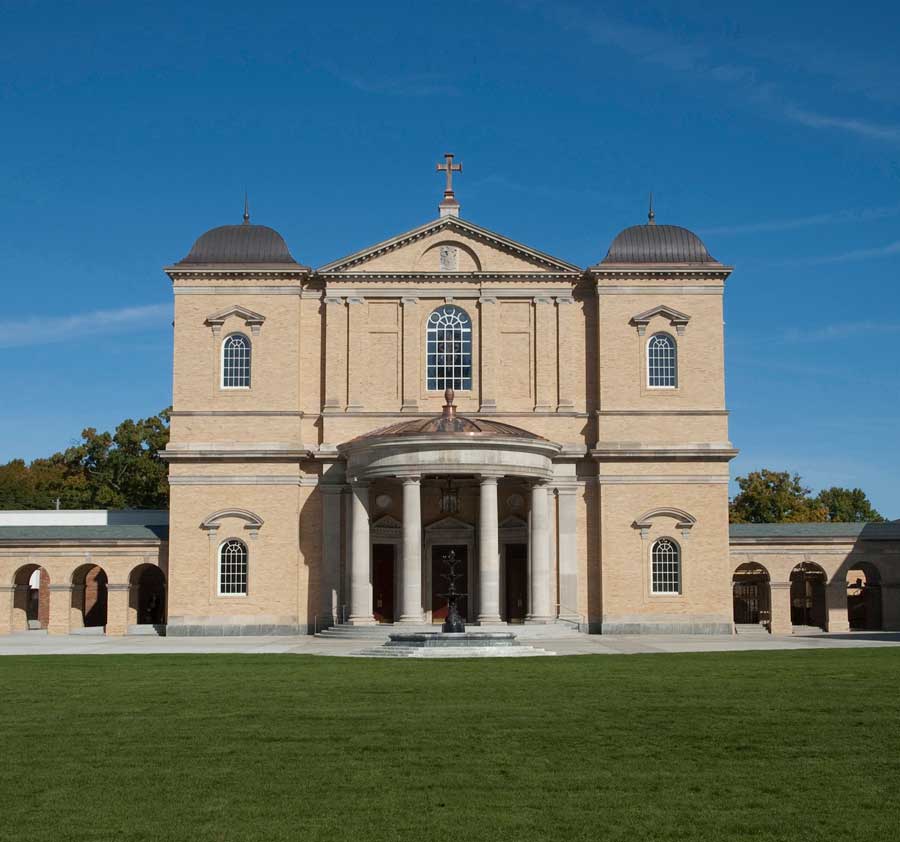
An Architectural Sign of Mere Christianity by Michael Ward
calling all readers
Please Donate
"There are magazines worth reading but few worth saving . . . Touchstone is just such a magazine."
—Alice von Hildebrand
"Here we do not concede one square millimeter of territory to falsehood, folly, contemporary sentimentality, or fashion. We speak the truth, and let God be our judge. . . . Touchstone is the one committedly Christian conservative journal."
—Anthony Esolen, Touchstone senior editor
