




We Held Those Truths
Progressive Sovereignty, Sacredness & the U. S. Constitution
by Alexander Riley
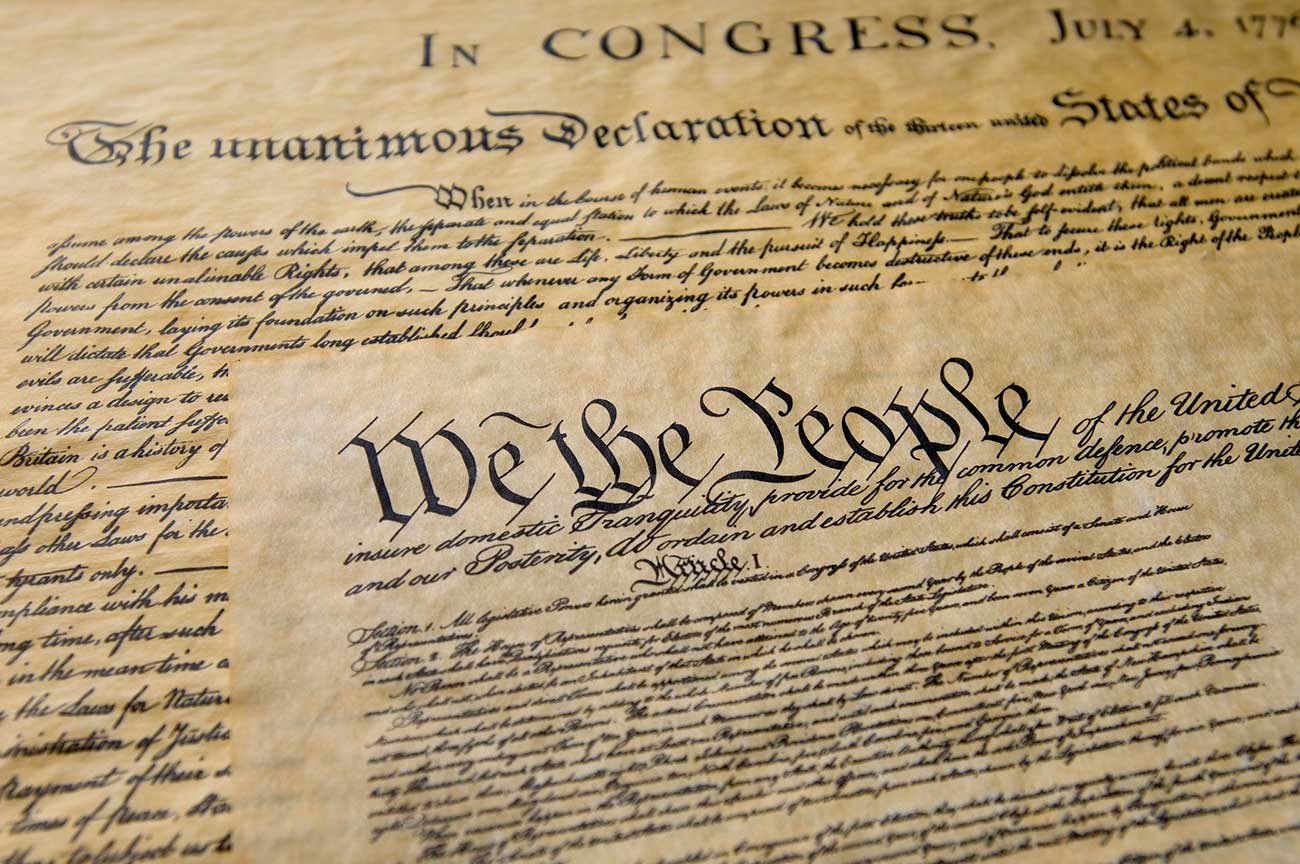
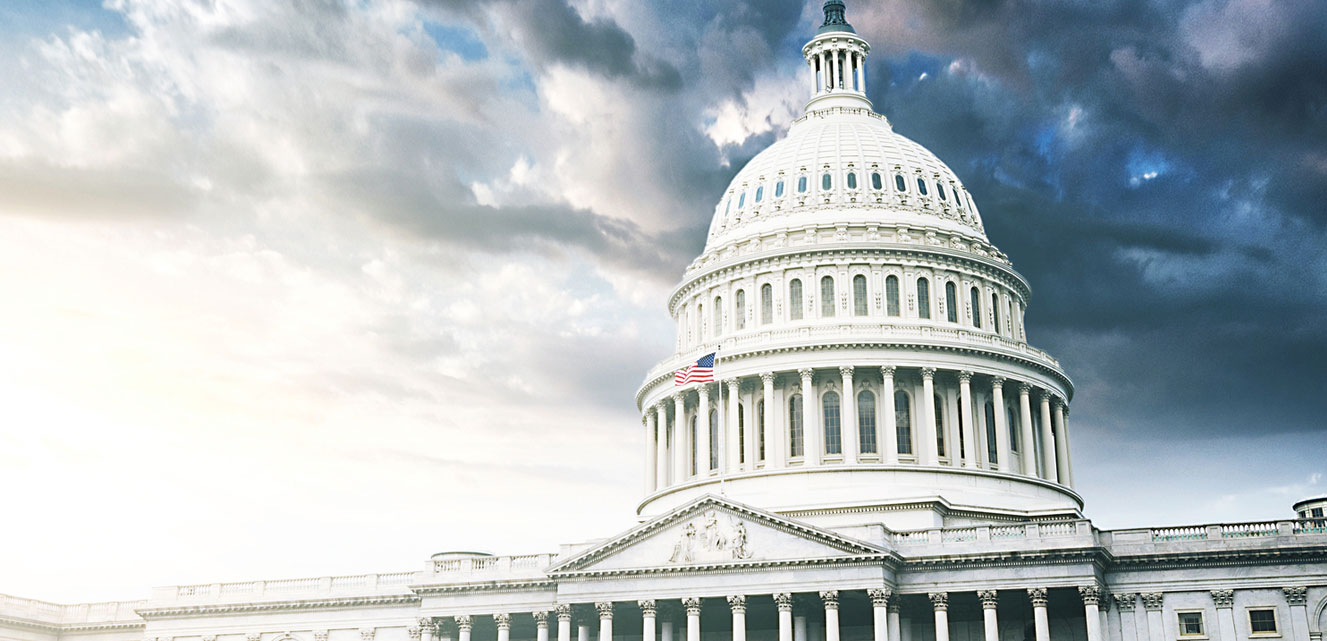
It is not uncommon to hear talk of the “sacredness” of the U.S. Constitution, even if such talk is not always clear as to how that descriptive is being defined. Even the opponents of such a view of the Constitution acknowledge, albeit with disapproval, how many Americans see the document in this light. As a Salon magazine writer put it in late 2020 (and one imagines while holding his nose and grimacing):
Americans view the U.S. Constitution and its framers with a reverence that is almost religious, as if it were a stone tablet delivered by Moses descending from Mt. Sinai. The Constitution’s perceived sacredness implies that it is only to be minimally and periodically amended, overseen by legal priests with exclusive knowledge of what should and should not be altered.
THIS ARTICLE ONLY AVAILABLE TO SUBSCRIBERS.
FOR QUICK ACCESS:
Alexander T. Riley is a senior fellow at the Alexander Hamilton Institute for the Study of Western Civilization and a member of the board of directors of the National Association of Scholars.
A Journal of Mere Christianity—Delivered to Your Door
- Essays on theology, culture, and the Church
- Contributors from across the Christian traditions

Six print issues (one year) of Touchstone, plus full online access and PDF downloads for only $39.95.

Get a one-year full-access subscription to the Touchstone online archives for only $19.95.
bulk subscriptions
Order Touchstone subscriptions in bulk and save $10 per sub! Each subscription includes 6 issues of Touchstone plus full online access to touchstonemag.com—including archives, videos, and pdf downloads of recent issues for only $29.95 each! Great for churches or study groups.
Transactions will be processed on a secure server.
more on America from the online archives
29.4—July/August 2016
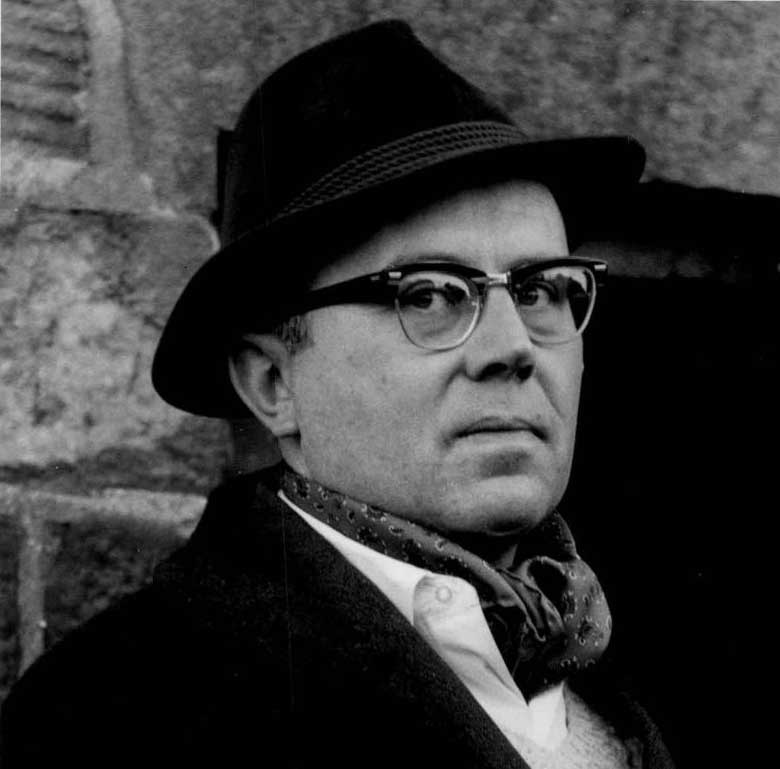
Russell Kirk: American Conservative by Bradley J. Birzer by Hunter Baker
29.2—March/April 2016
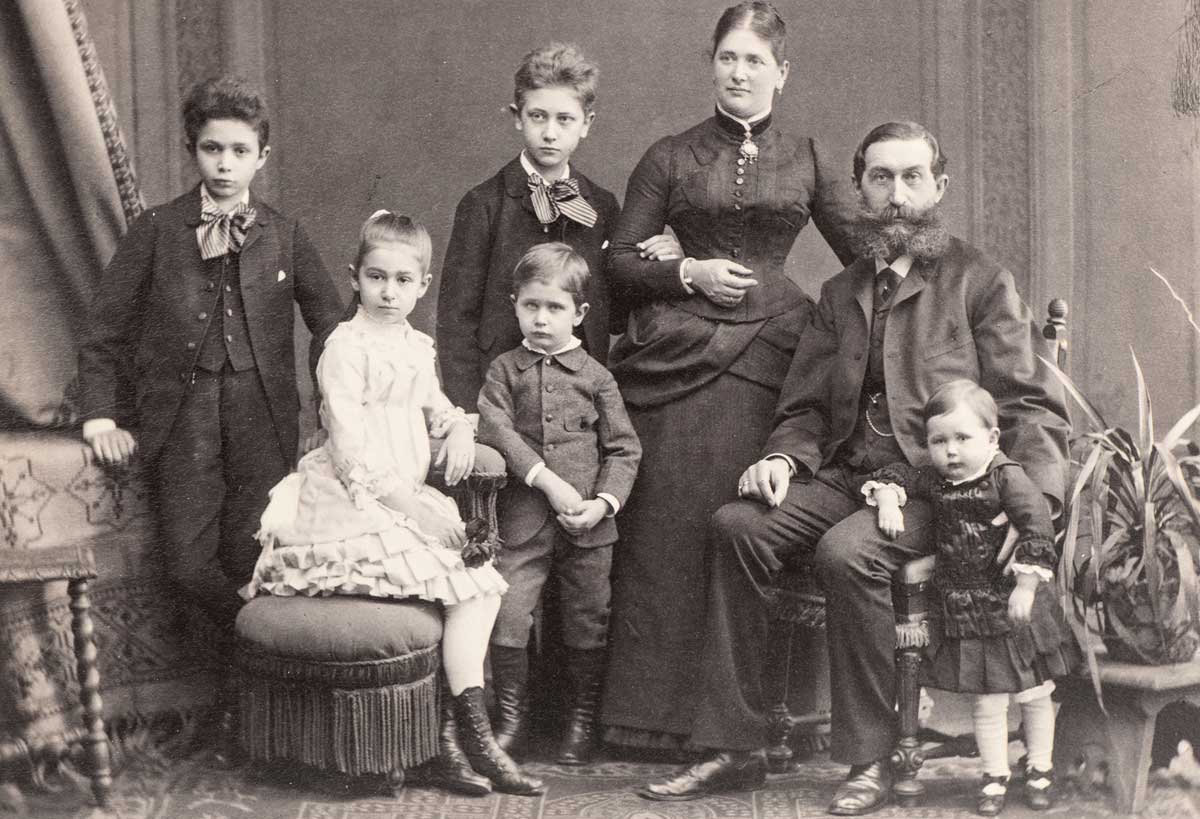
The History of Family Strength in America May Reveal Good News by Allan C. Carlson
30.5—Sept/Oct 2017
The Christian Cure for What Ails Modern Politics by David Bradshaw
more from the online archives

30.2—March/April 2017
on Reading Don Quixote in Its Original Christian Context by Luis Cortest
29.4—July/August 2016
Russell Kirk: American Conservative by Bradley J. Birzer by Hunter Baker
33.4—July/August 2020
Our Views on the President Are Not Crucial by S. M. Hutchens
calling all readers
Please Donate
"There are magazines worth reading but few worth saving . . . Touchstone is just such a magazine."
—Alice von Hildebrand
"Here we do not concede one square millimeter of territory to falsehood, folly, contemporary sentimentality, or fashion. We speak the truth, and let God be our judge. . . . Touchstone is the one committedly Christian conservative journal."
—Anthony Esolen, Touchstone senior editor
